
What is recorded here
Situated on a fairly level landscape at the bottom of a NE-facing slope. St John’s Well was certainly in use since the seventeenth century and pilgrimages to it on St John’s Eve (23rd June) were forbidden by the Irish Parliament in 1708. Tradition held that when John the Baptist struck his staff into the ground in Palestine the point emerged with waters of the River Jordan at this well. In 1761 the Roman Catholic bishops meeting at Drogheda forbade the pilgrimage to St John’s Well because of the scandalous excesses of the accompanying fair. The fair was moved to Culmullin, c. 3 km to the S, in 1807 but devotions at the well continued undiminished. (French 2012, 56-9)
Cogan (1862-70, vol. 2, 351-2) describes the old well at the height of its popularity as: '… in no way remarkable. It is covered by an arch, a front wall conceals it from view, a stone conductor lets out the water, and under this stream those who visit for the benefit of health are for a moment placed. Under the water-spout is a stone flag, four feet in length by one foot six inches in breath; there are seats each side, and on the front wall two images, now all but defaced, which probably represented St Mary and St. John.‘
Devotions were also held on the feast of SS Peter and Paul on the 29th June, and cures were reported from its water. During the 1930s crutches were left at the well. In 1923 the Silesian Fathers founded an agricultural Collage at Warrenstown House and put railings around the well when the foundations of huts were found. In 1944 the well assumed its final form with a wall retaining the ground behind and a spout producing the water between the two stone heads. In 2018 a new owner removed the wall and the well is now a shore with the two heads and the limestone name plate from the 1940s at ground level. (French 2012, 56-9)
Compiled by: Michael Moore
Date of upload: 21 August 2019
St. John's Well is associated with St. John the Baptist and was a site of pilgrimage, particularly on St. John's Eve (23rd June), when traditions such as jumping over the well or walking its circuit were believed to bring good health and protection. The well's significance led to its suppression by the Irish Parliament in the eighteenth century due to its continued popularity despite Protestant prohibitions.
The monument record does not grant public access. Check the route and ask the landowner before entering private land.
- What survives
- Recorded monument
Places near here
 Dunsany WoodWood · 911 yd
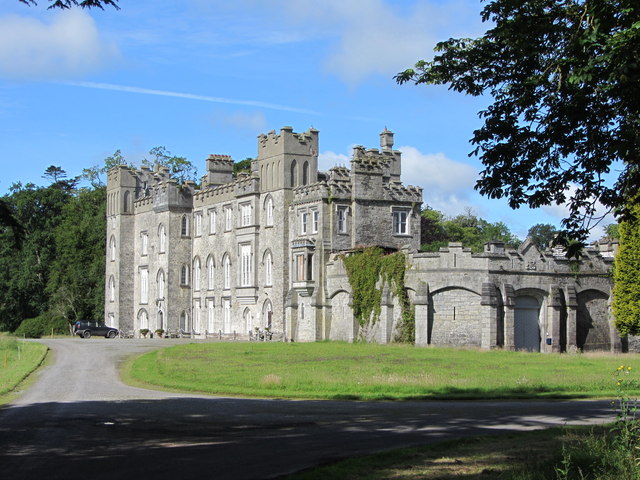 Dunsany CastleCastle, unclassified · 1112 yd
 AbbeyChurch · 1179 yd
 Dunsany CrossCross, Wayside cross · 1410 yd
 bridgebridge · 1443 yd
 Railway Woods (North)Forest · 1711 yd
 CrossCross, Wayside cross · 1727 yd
 Killeen CastleCastle, tower house · 1.1 mi
 Battle of Tara (Ireland)Major battlefield · 3.5 mi
 Battle of Tara Hillbattle · 3.5 mi
 Tara Open StudioGallery · 3.7 mi
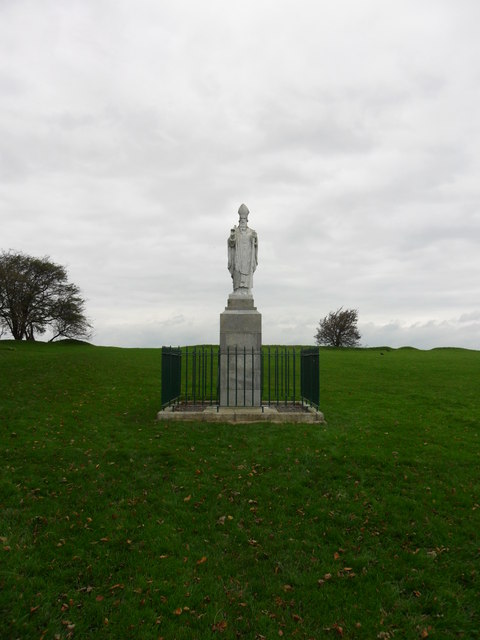 Saint Patrick'sMemorial · 3.8 mi
Other information
Photo: Credit not shown in the picture search · Rights wording not checked; contact us if this picture should be removed