What is recorded here
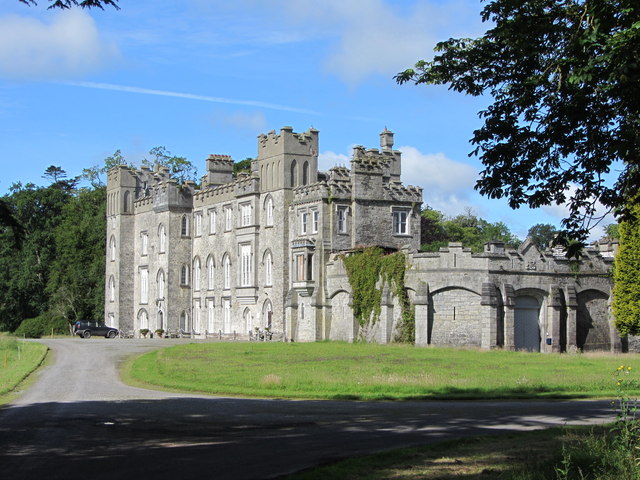
Dunsany Castle stands in County Meath, Ireland, holding Plunket land since 1401 when Sir Christopher Plunket married Joan Cussack. GeoLingo shows two tall blocks with square corner towers joined by a hall range around a shallow court. The 13th Lord Dunsany rebuilt the old castle in the 1780s, filling the court to make a staircase hall and adding pointed Georgian Gothic windows.
Situated on a low-lying landscape. Hugh de Lacy granted the barony of Skreen to Adam de Feipo in 1172 but the details of the sub-infeudation are not known. However, Dunsany is likely to be an early manor in the possession of the Cussack family, but with what form of castle is not known. In 1401 Sir Christopher Plunket of Rathregan, first Lord Killeen, married Joan Cussack, heiress to Killeen and Dunsany, and Dunsany has remained in the Plunket family ever since. Their eldest son John inherited Killeen and his descendants became Earls of Fingal, while Dunsany was left to their second son, Christopher who became the first baron Dunsany. In 1641 the entire parish of Dunsany amounting to 240 acres was owned by Patrick Plunket, ninth Baron Dunsany, but he also owned most of the land in the Meath parishes of Kentstown and Oldcastle as well as other land in the county amounting to over 1000 acres (Simington 1940, 70-1, 122-3, 145, 268, 270, 273).
The first Lord Dunsany or his descendants many have built a masonry castle here, the form of which is now completely obscured by remodelling in a neo-gothic style in the 1780s, and again c. 1840. The castle is described (Bence-Jones 1978, 117) as: ‘two tall blocks, each with a pair of square corner-towers, joined by a hall range so as to enclose a shallow 3-sided court. The 13th Lord Dunsay restored and modernized the old castle 1780s, filling in the old court between the projecting tower-blocks to form a spacious staircase hall, putting in pointed Georgian Gothic windows..’ Some of what could have been a tower house could survive in the square projecting corner towers. (Bence-Jones 1978, 117).
The above description is derived from the published 'Archaeological Inventory of County Meath' (Dublin: Stationery Office, 1987). In certain instances the entries have been revised and updated in the light of recent research.
Compiled by: Michael Moore
Date of revision: 21 August 2019
Dunsany Castle was likely built in the 12th or 13th century by a Norman lord, possibly a descendant of Adam de Feipo, who held lands in the area following the Anglo-Norman invasion. It is remembered as an early example of Norman settlement and landholding in the region.
The monument record does not grant public access. Check the route and ask the landowner before entering private land.
- What survives
- Recorded monument
Places near here
 AbbeyChurch · 260 yd
 Dunsany CrossCross, Wayside cross · 444 yd
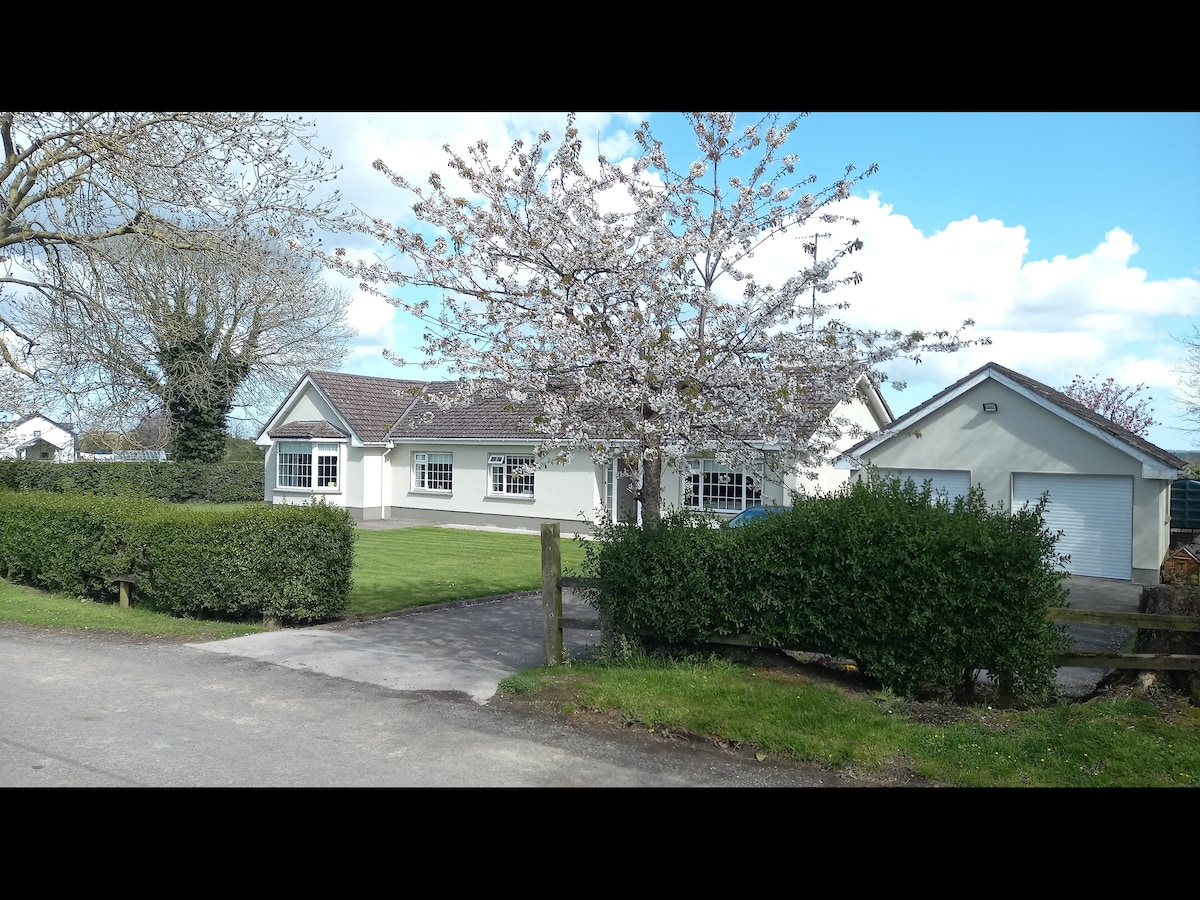 Dunsany WoodWood · 538 yd
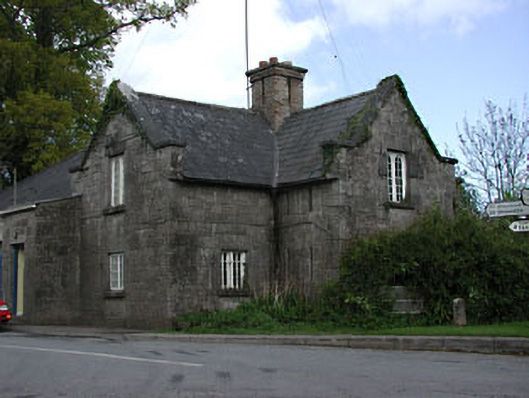 Dunsany Constabulary Barrackgarda station/constabulary barracks · 785 yd
 Duck Pond WoodWood · 869 yd
 St. Johns WellHoly well · 1112 yd
 Killeen CastleCastle, tower house · 1.1 mi
 Battle of Tara (Ireland)Major battlefield · 2.9 mi
 Battle of Tara Hillbattle · 2.9 mi
 Tara Open StudioGallery · 3.1 mi
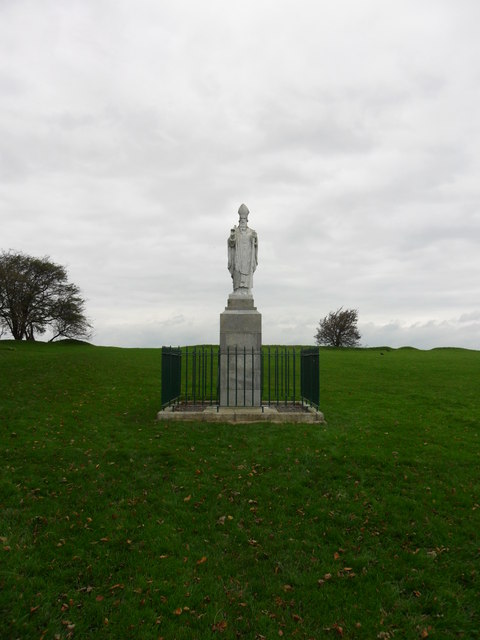 Saint Patrick'sMemorial · 3.2 mi
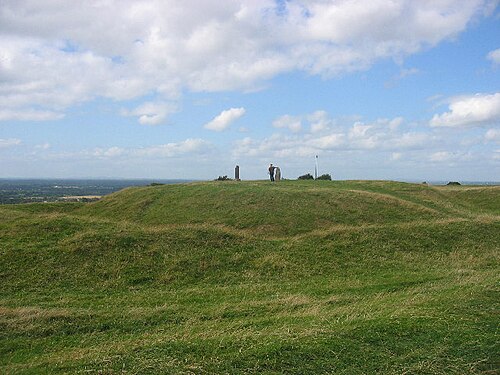 Hill of TaraVisitor information · 3.2 mi
Other information
Photo: Tim Wilson · CC BY-SA 2.0