
What is recorded here
On a N-facing pasture slope in the NW sector of Dun Ailinne, a ceremonial enclosure (KD028-038001-). In 1837, O'Conor, jointly compiling the OS Letters for Co. Kildare, recorded that the well, ‘ … was formerly frequented as a holy well, but is now dry’ (Herity 2002, 67 [197]). The holy well tradition persisted: Omurethi (1902, 362) recorded a local recalling ‘… this well to be resorted to for cures, and that he has seen rags tied to the briers overhanging it, and sticks and crutches lying about, and left there by people who had been cured of rheumatism, etc, after performing stations at the well. Unfortunately, as this is the only water supply on the hill, and the well is unprotected, cattle resort to it, and have turned it into a muddy lough.’ Survives as a small dry hollow. (Jackson 1979-80, 151)
Compiled by: Gearóid Conroy
Date of upload: 12 July 2013
This monument is subject to a preservation order made under the National Monuments Acts 1930 to 2014 (PO no. 200/1954).
St. John’s Well, Knockaulin is associated with St. John the Baptist and was historically visited for its supposed healing properties, particularly for skin ailments and general well-being. The well’s location within the ancient ceremonial enclosure of Dun Ailinne suggests a long-standing spiritual significance, blending pre-Christian and Christian traditions.
The monument record does not grant public access. Check the route and ask the landowner before entering private land.
- What survives
- Recorded monument
Places near here
 Hill of Allen (sic)Ceremonial enclosure · 175 yd
 Dún AilinneArchaeological place · 188 yd
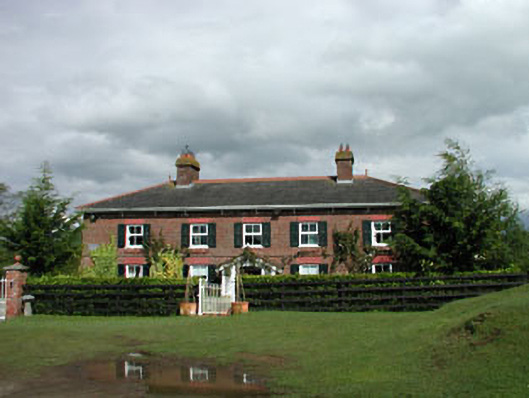 Sunnyhill Cottagehouse · 1203 yd
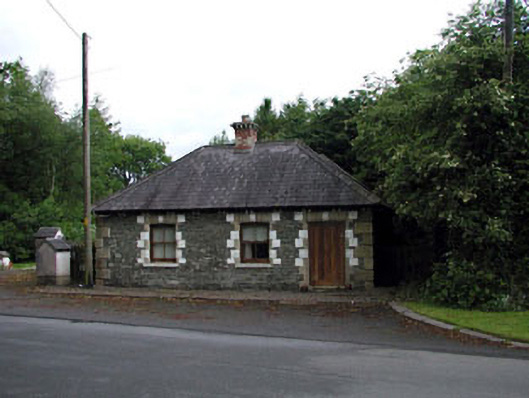 Sunnyhill Housegate lodge · 1420 yd
 Castle in RuinsCastle, tower house · 1.3 mi
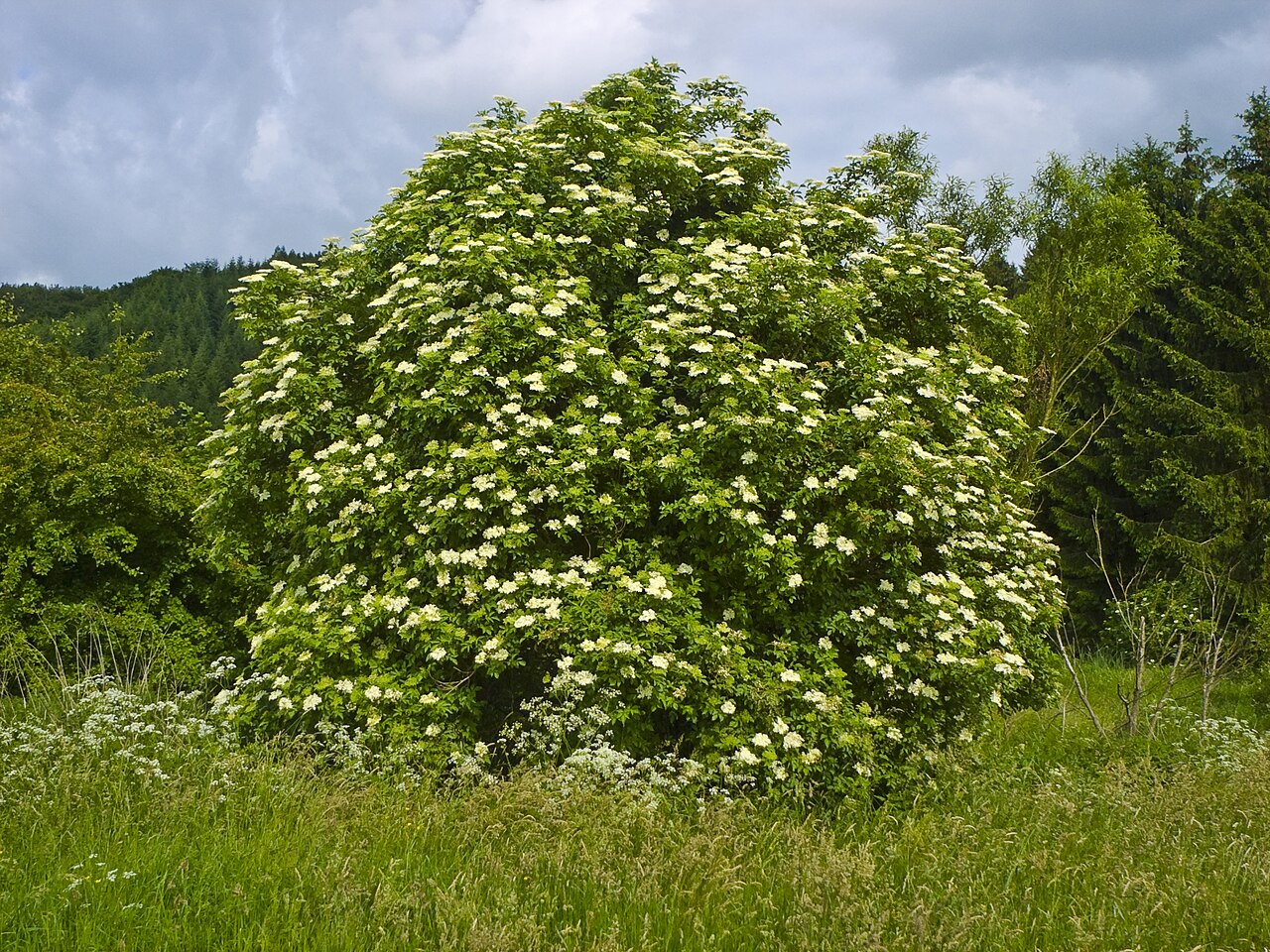 ElderElder · 1.7 mi
 1798 memorial stoneMonument · 1.7 mi
 Coillte ForestForest · 1.8 mi
 Castlefish (in Ruins)Castle, unclassified · 2.3 mi
 Newbridge SilverwareMuseum · 4.2 mi
 Battle of Kilrushbattle · 5.2 mi
 Gorden Bennet Race memorialMemorial · 8.6 mi
Other information
Photo: Credit not shown in the picture search · Rights wording not checked; contact us if this picture should be removed