
What is recorded here
Cloghaderreen castle vanished completely, its limestone walls stripped and scattered before 1840, leaving only a faint mound and a gap in the land where a fortress once stood. The loss fits the region, where castles were repeatedly broken, reused, forgotten, or erased from memory. What remains is not a ruin but an absence, a place that once resisted being overlooked and now resists identification.
The following description of this monument is taken from 'The Urban Archaeological Survey of County Limerick' compiled by John Bradley, Andrew Halpin and Heather A. King (Office of Public Works, 1985, 214).
"Westropp (1906-7, 105) reports that the foundations of a castle existed c. 1800, some 40 yards west of the motte in the position marked on the o.s. map. There is no trace of the remains today." In 1840 the Ordnance Survey recorded that 'there formerly stood a castle about forty yards eastwards of this moat [LI024-072002-], but the stones of which it was built, which were limestones, have been entirely removed' (OSL, 40).
Westropp (ibid.) recorded the following about Pallas; 'Grian was a place of note in early historic times, having even then a legendary fame going back to the semi-historic or mythical periods. Legends remain of the princess Grian, now recognised as a banshee, and of the early Prince
Oilioll Olum, of the battle fought by the High King, Cormac mac Airt, in 241, and of St. Patrick's visit to Grian in Aradha, circa 437. The place was also named in early times "Cnoc na gcuradh," or "Champion's Hill." It appears in the Annals, 918. In Norman times, 1216, it was formed into a manor and granted to the Bishop of Emly. 1233 Granted to Maurice Fitz Gerald, and a fair was established the following year, A large mass of material may be found in the C.S.P.I. (1233-1307), Plea Rolls, &c. It was wasted by Turlough O'Brien, 1285-7" Blue-streamed Grian " (Wars of Torlough) and forms one of the group of manors with Adare, Croom, and Wrgidy, held
in varying amounts by Fitz Gerald, de Clare, de Valence, de Cogan, and the Earls of Kildare. In 1334 a grant was made for the repairs of the C.s. in Estgrene. In later days, 1544, Greneogoanagh was held by Thady mac Brien (Pat. R.), and in 1586 Toghe Asgrenan was in
the patria of O'Brien-Arrey, including Kilduff (Peyton, 24lb). 1611 Sir Ed. Fisher was granted part of the ruinous C. of Pallace, the estate of Tirlagh mac Morough Brien (Pat. R.). 1629 Conor
Mac Murtagh Mac Brien held two parts in the C. of Pallesgreny (Inq. Chan., 9, 76). 1655 C. shown near Pallice which was held by Murragh oge MacBryne and Sir Morris Hurley (B.D., 50 ; Petty, 67). It seems to have been demolished before 1680, as Dyneley notes that "there was anciently a Castle on a neat mound at Pallice" (R.S.A.I. viii., p. 283). Fabric. - The site was unknown to the O.S.L. (8, p. Ill) in 1840, but is given on the maps; the mote lay about 40 yards to the east of the foundations; there had been traces of strong walls there in 1800'.
Revised by: Caimin O'Brien
Date of revised upload: 04 January 2019
This remains an important historical record, but the official description says the monument is no longer visible or has been destroyed. The monument record does not grant public access. Check the route and ask the landowner before entering private land.
- What survives
- No visible remains or recorded as destroyed
Places near here
 Pallas MoatCastle, motte · 90 yd
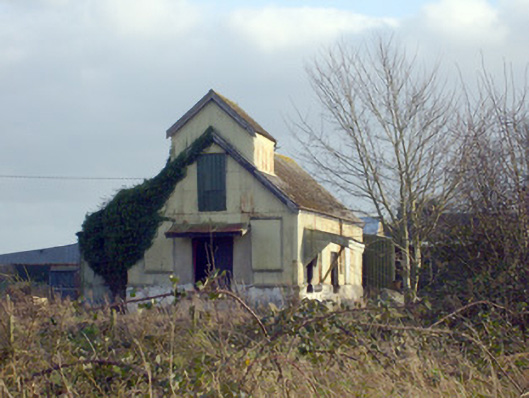 Race Creamerycreamery · 205 yd
 Grave Yd.Graveyard · 617 yd
 BarrowBarrow, ring-barrow · 867 yd
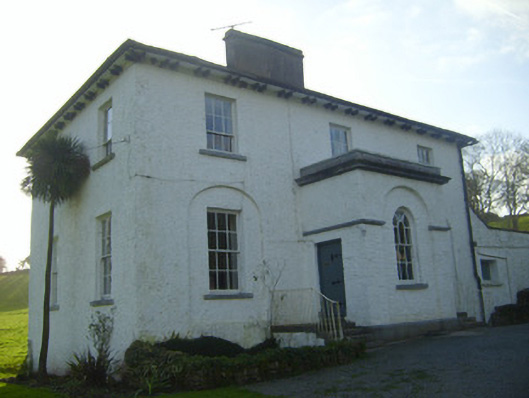 Moymore Houserectory/glebe/vicarage/curate's house · 1275 yd
 (Site of) Nicker CastleCastle, unclassified · 1.3 mi
 KnockseefinMountain / peak · 1.3 mi
 ToberagaddySpring · 1.7 mi
 St. Patrick's WellSpring · 2.3 mi
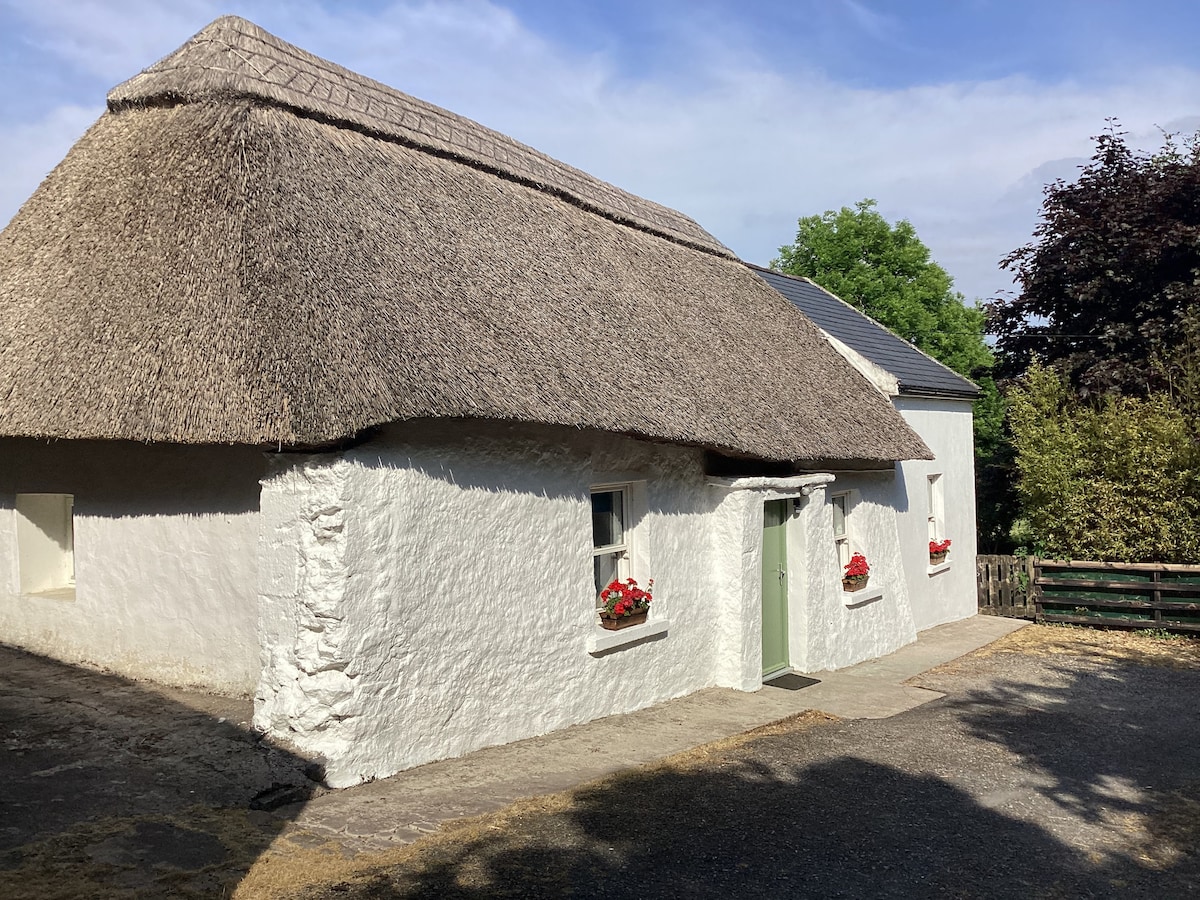 Kilteely HillMountain / peak · 2.7 mi
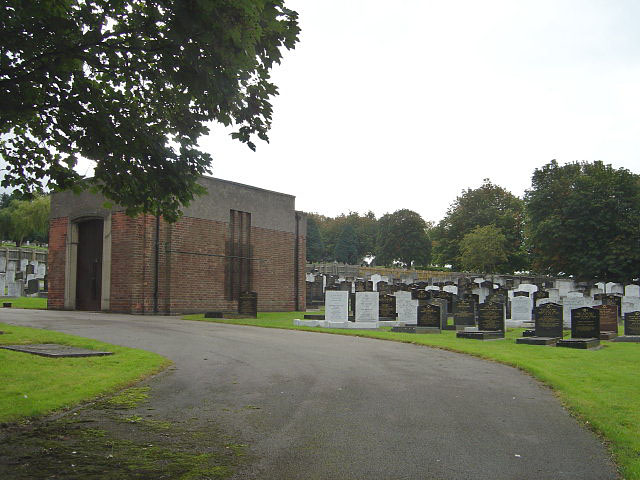 Flat cemetery in Knockainy WestFlat cemetery · 6.6 mi
 Ballinvreena LoopVisitor information · 11 mi
Other information
Photo: Credit not shown in the picture search · Rights wording not checked; contact us if this picture should be removed