What is recorded here
Shankill Castle stands at the foot of the Dublin Mountains, a three-storey granite tower where Cromwell once besieged the residents and skeletons still lie buried in the surrounding soil. Its thick walls hide a garderobe, slit-loop stairs and damaged vaults, proving that comfort and fear shared the same small space. The castle still attaches to a living house, forcing modern occupants to walk beside bones from a war they never fought.
This tower house is located on private grounds and is attached to the SE end of a residence. It is situated at the foot of the Dublin Mountains. This tower house rises to three storeys and is built of randomly coursed granite with large white blocks of dressed granite used as quoins. It has a slight base batter with a buttress against the E wall. The entrance at the N of the W wall appears to be later and opens onto a rectangular chamber (L10.1m; Wth 5.5m). There is a stair turret in the NE angle. Fireplaces and ovens have been inserted into the N wall and these have damaged the barrel vault over the ground floor. There are deep window embrasures in the E and W walls (Wall Wth 1.2m) and a square-headed opening. The stairs to the first floor is lit by slit loops.
There is a fireplace in the W wall of the first floor. Its interior has been plastered. It is lit by a double-light, granite window with a chamfered lintel and a triple -light window of dressed limestone. There is a small garderobe in the SE corner. The doorway to the second floor is damaged and the head of the door is missing. Shankill Castle was besieged by Cromwell and coins of James 1 and Charles 1 and skeletons were found in the environs of the castle. (Mc Dix 1897, 157-8; Ball 1902, 116, 123, 126)
Compiled by: Geraldine Stout and Padraig Clancy.
Revised upload on: 19 April 2018.
Shankill Castle is a 16th-century tower house associated with the Loftus family, who were prominent in the area during the Tudor period. It is remembered as a fine example of early Irish tower house architecture and reflects the defensive and social structures of the time.
The monument record does not grant public access. Check the route and ask the landowner before entering private land.
- What survives
- Recorded monument
Places near here
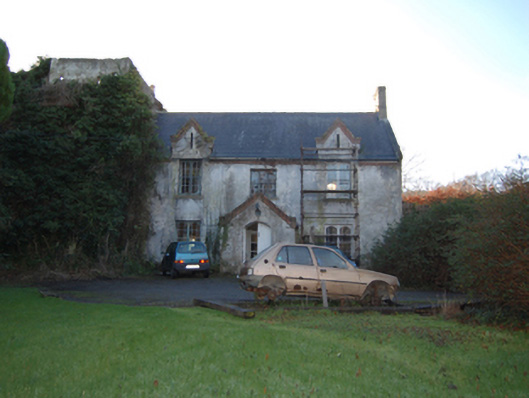 Shankill Castlefarm house · 12 yd
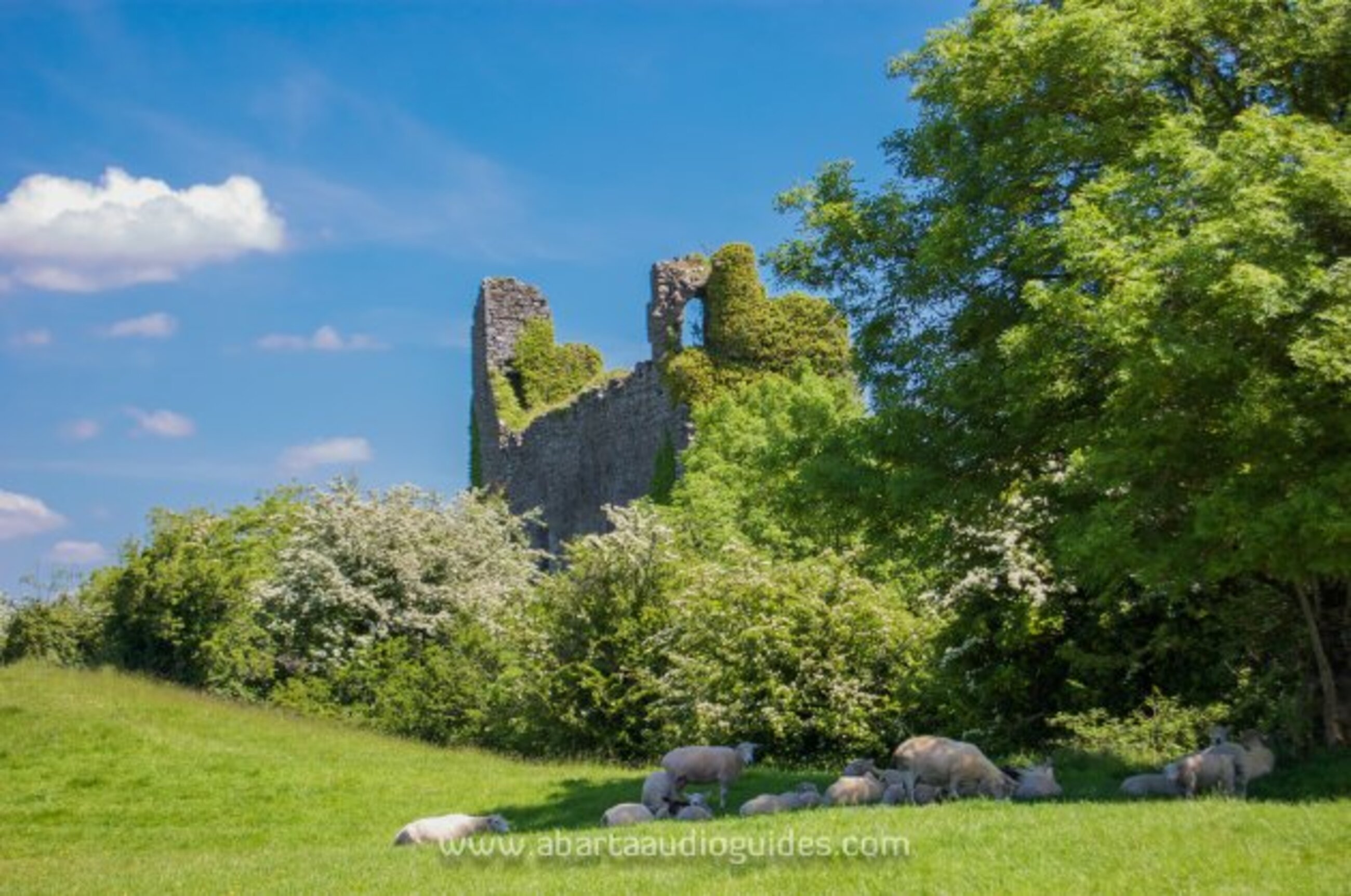 Settlement desertedSettlement deserted, medieval · 126 yd
 Cross (present location) in ShankillCross (present location) · 305 yd
 Lordellogate lodge · 310 yd
 Rathmichael WalkWalking route · 662 yd
 Bawn in RathmichaelBawn · 1073 yd
 Puck's CastleCastle · 1100 yd
 Dublin Mountains Way Trailhead SignVisitor information · 1260 yd
 St. James GateVisitor information · 1575 yd
 Carrickgollogan HillMountain / peak · 1750 yd
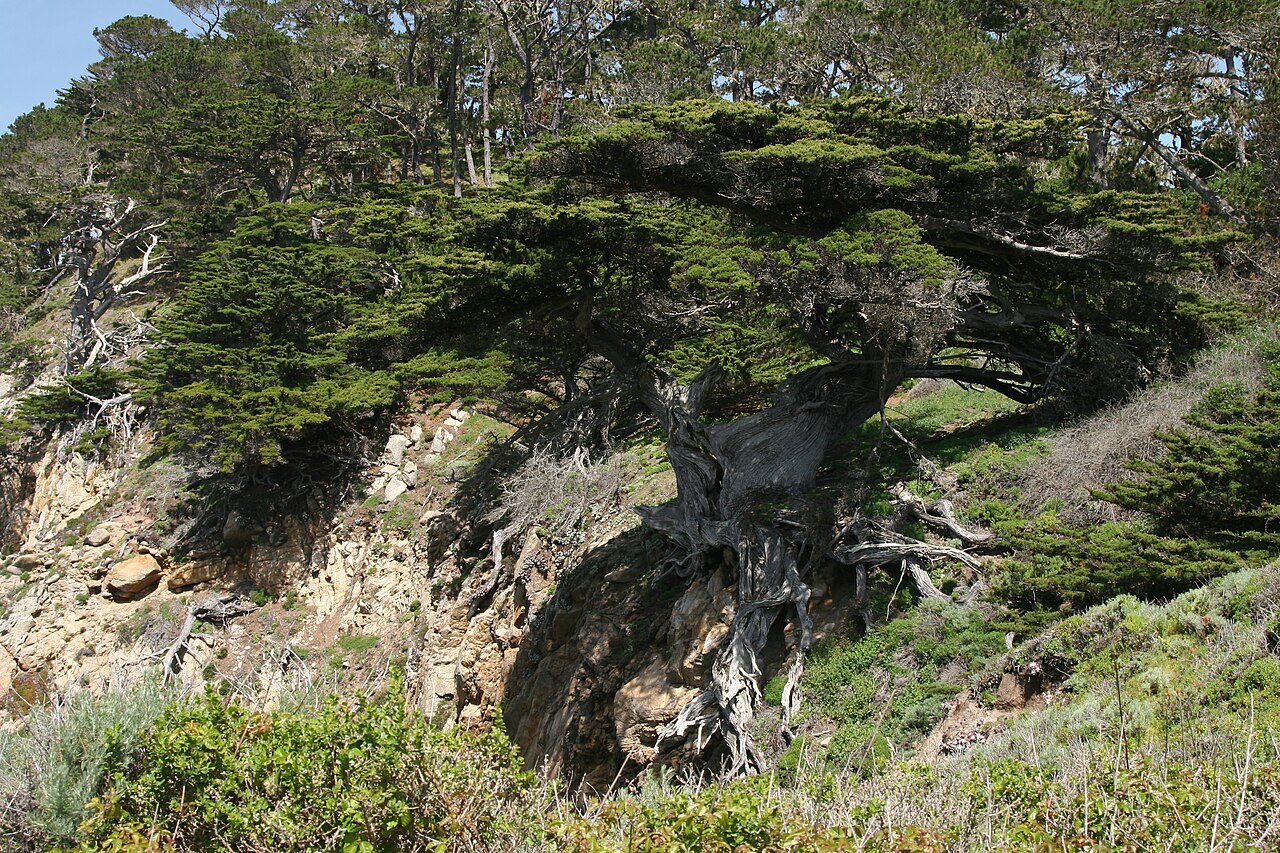 Monterey CypressMonterey Cypress · 1.2 mi
 Loughlinstown WoodsNature reserve · 1.3 mi