Places near here
Photo credits
- Mike Searle, Wikimedia Commons · CC BY-SA 2.0
- National Inventory of Architectural Heritage
- Sitomon, Wikimedia Commons · CC BY-SA 2.0
- Mike Searle, Geograph · CC BY-SA 2.0
- Alvesgaspar, Wikimedia Commons · CC BY-SA 3.0
- John M, Wikimedia Commons · CC BY-SA 2.0
- Kieran Campbell, Wikimedia Commons · CC BY-SA 2.0
- James Fergusson, after E. Conwell, Wikimedia Commons · Public domain
- Bill Griffiths, Wikimedia Commons · CC BY-SA 2.0
 Loughcrew GardensGarden · 35 yd
Explorer Tom Loughcrew Gardens in County Meath would tell teenagers that the 1800s were basically just everyone wearing corsets and complaining about the rain. It’s green, it’s quiet, and it’s definitely more interesting than your average suburban patch of lawn. Count the crows sitting on the fence, then count them again to be sure.
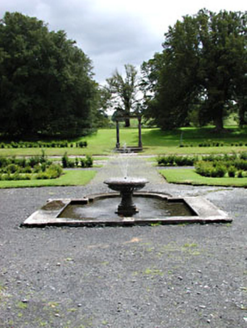 Loughcrew HouseGarden · 66 yd
Explorer Tom Loughcrew House gardens are playing hard to get with their rustic folly and water features. It’s a proper demesne setup, but the house itself is just seventeenth-century ruins pretending to be chic. The Ionic portico looks like it’s trying to hold up the sky while the stables look on in confusion. Take a peek at the water features; they’re probably not running, but still fancy.
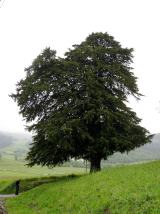 European Yew119 yd
Explorer Tom European Yew in County Meath witnessed a love story that went horribly wrong right next to its trunk. The poor tree is still flinching from the drama. It's free, it's odd, what more do you want?
 MoatCastle, motte · 130 yd
Explorer Tom Moat in Loughcrew thinks the road leading to it is a personal insult, probably because it’s too narrow for anything bigger than a bicycle or a very fit goat. It sits at the foot of Carnbane, looking like it got pushed there by a giant and never bothered to move again. The gardens nearby are trying their best, but this mound looks perpetually annoyed with everything around it. Bring a pen pal
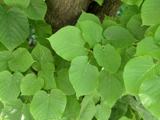 Common Lime143 yd
Explorer Tom Common Lime in County Meath would teach history by dropping leaves on your head until you memorised the dates. It’s got more patience than most teachers and twice the attitude. Pop by and tell it it's looking well.
 Church (in Ruins)Church · 185 yd
Explorer Tom Church in Loughcrew is stuck in a fairy dispute over parking rights because everyone wants to claim they were there first, right next to those famous passage tombs. It was built by the Plunketts in the sixteenth century, so it’s basically the local celebrity who refuses to share the spotlight with the ancient hill mounds. Make a wish, it's had centuries of practice.
C11Named rock · 1311 ydExplorer Tom Named rock C11 in County Meath has a tombstone draft ready: 'Here lies a rock that did absolutely nothing well.' It’s very humble about its lack of geological achievements, which is refreshing. It just sits there, looking like a dropped stone that gave up halfway through rolling. Go with someone who loves old stuff and watch them melt.
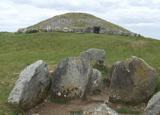 The Cailleach: LoughcrewLegend location · 1508 yd
Explorer Tom The Cailleach: Loughcrew says she made these cairns by dropping stones out of her apron as she leapt from hill to hill. I lose a few coins and get annoyed; she loses a whole skyline. The cairns are real, and that apron is wonderfully outrageous.
LoughcrewMegalithic tomb cemetery · 1508 ydExplorer Tom Loughcrew is a megalithic tomb cemetery on Slieve na Calliagh, which sounds like a place where the stones are just hanging out and judging your fashion choices. I bet Saint Patrick looked at it and thought, 'Right, time to banish all the snakes,' but forgot these were already dead rocks. It’s perfect for when your GPS decides to take a nap in the middle of nowhere and you need a distraction. P
 Cairn SArchaeological place · 1.5 mi
Explorer Tom Cairn S in County Meath was built by someone who was clearly thinking about their lunch break more than the structural integrity of the whole operation. They probably packed in early, leaving half a stone sticking out like a thumb to point at the sky and ask why nobody else finished the job. Look for the ghost, then pretend you didn't see it nodding.
 Hag's ChairArchaeological place · 1.5 mi
Explorer Tom Hag's Chair in County Meath is a decorated stone that has caused the whole parish to argue about it since before anyone invented the word 'controversy' and applied it to archaeology. It’s part of a cairn kerb but looks like someone sat down, got comfortable, and then decided to stay forever with their legs crossed and arms folded. Hang around long enough and you'll hear a story.
 Slieve Na CalliaghMountain / peak · 1.5 mi
Explorer Tom Slieve na Calliagh is Meath's highest hill at 276 metres, but its real claim is the crowd of ancient tombs along the tops. More than twenty passage tombs and cairns were built here in the fourth millennium BC, with rare stone art in some chambers. Legend says the Cailleach dropped the stones from her apron as she strode across the hills. I would try that trick, but my apron barely holds lunch. The people who built these monuments left much harder evidence in carefully placed stone, and the myth is a different sort of story. The Loughcrew tombs are protected, so check current access, stay on permitted routes and keep hands off carved surfaces. The hills include Carnbane East and West, not just one neat summit. Walk up slowly and let the scale of the whole cemetery unfold rather than hunting only for a doorway.
More things to do in County Meath · All of County Meath

What do you know about this place?Tap to add a comment or ask a question