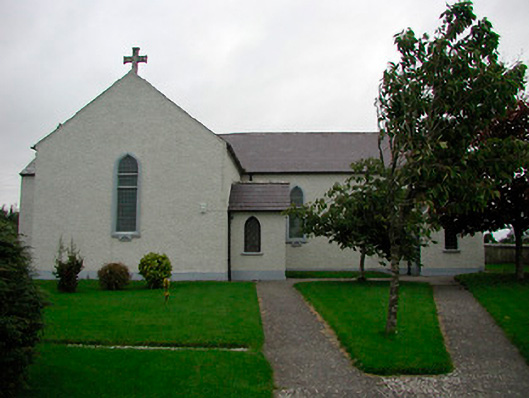
What is recorded here
Detached Roman Catholic chapel on cruciform plan, built c.1840 and altered c.1895, comprising four-bay nave to the east, a single-bay chancel to the west and single-bay transepts to the north and the south. Single-storey sacristy to the north side of chancel. Single-bay gable-fronted entrance porches to the east end of nave (south elevation) and to the east face of transept to south. Pitched natural slate roof with cut stone cross finials to gable ends. Pebbledashed walls over smooth rendered plinth course. Pointed-arched window openings to nave, chancel and transepts with chamfered cut stone surrounds and simple leaded windows. Round-headed recess to chancel gable (west) having three graded lancet windows having later Victorian stained glass windows, c.1895. Square-headed opening with tripartite window to west face of sacristy having chamfered cut limestone surround with mullions. Square-headed doorways to gable fronted single-storey porches with replacement timber doors. Simple interior with dado-rail, marble alter goods and timber panelled ceiling. Bounded by random rubble wall to north and east. Concrete campanile/belltower to the southeast, erected c.1950. Located to the southwest of Mullingar and to the west end of the hamlet of Dysart.
A simple mid nineteenth-century Roman Catholic chapel, which retains its early form and much of its early character. This structure was probably originally built as a T-plan chapel, like a great many of its contemporaries in the rural countryside. The chancel was probably added to the west, c.1895, at the same time the highly attractive later Victorian stained glass windows were added. These stained glass windows are of a high decorative standard and may be by Mayer of Munich, the renowned German firm. This structure is typical of the plain, almost vernacular, chapels that were built in great numbers throughout the Irish countryside in the years before and immediately after Catholic Emancipation (1829). The later campanile is an interesting feature and is very similar to that found at Loughanavally Roman Catholic chapel (15402520), a short distance to the northwest, suggesting that they were constructed at the same time. This church at Dysart remains an interesting feature of some appeal in the landscape to the southwest of Mullingar and is of social and historical significance to the local area.
This does not grant access. Most recorded buildings are privately owned; view them only from public ground unless the owner allows entry.
Places near here
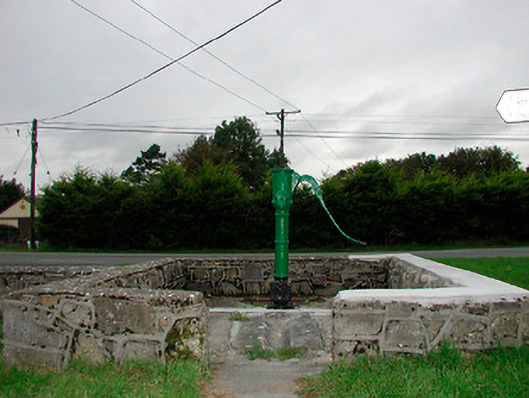 water pumpwater pump · 244 yd
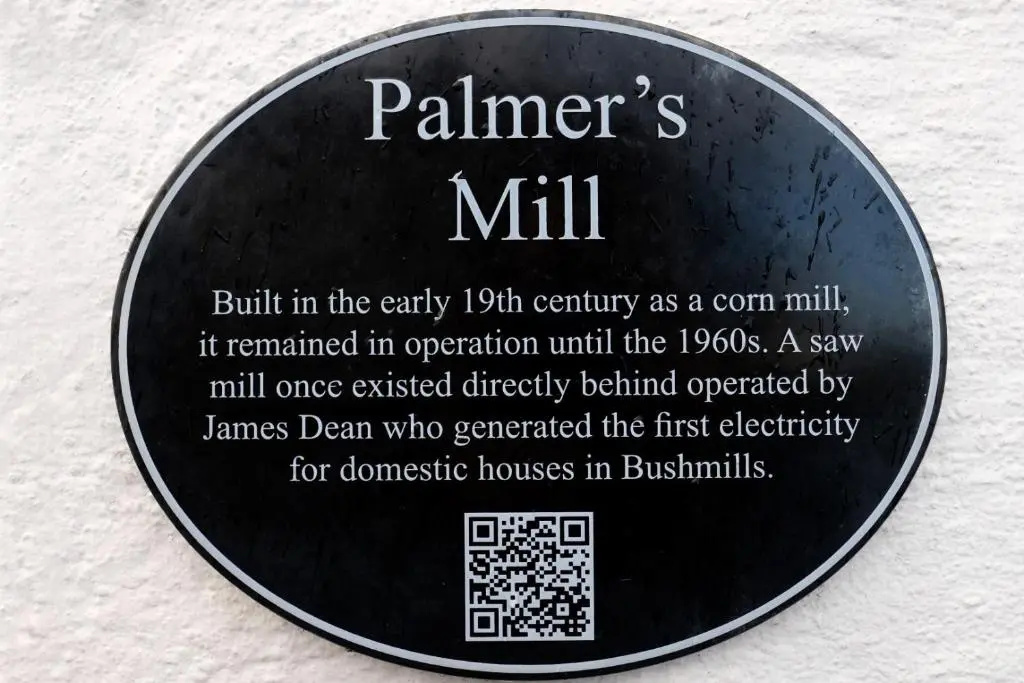 Corn Mill & KilnWater mill, unclassified · 502 yd
 Enclosure in Dysart (moyashel & Magheradernon By.)Enclosure · 1115 yd
 Field system in Dysart (moyashel & Magheradernon By.)Field system · 1270 yd
 Dysart Ho. (in ruins)Castle, unclassified · 1.1 mi
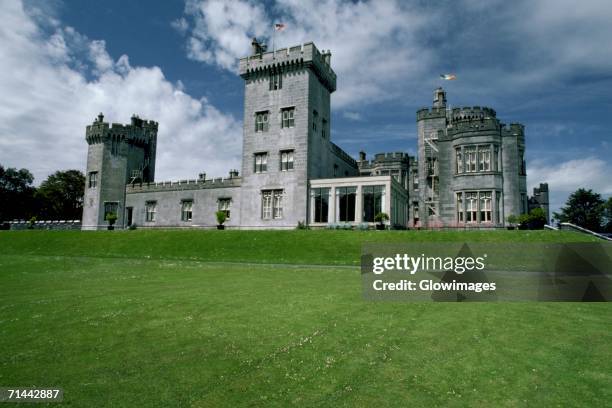 Glomerstown CastleCastle, unclassified · 1.4 mi
 Ancient Ring FortWood · 1.9 mi
 Ash IslandIslet · 2.0 mi
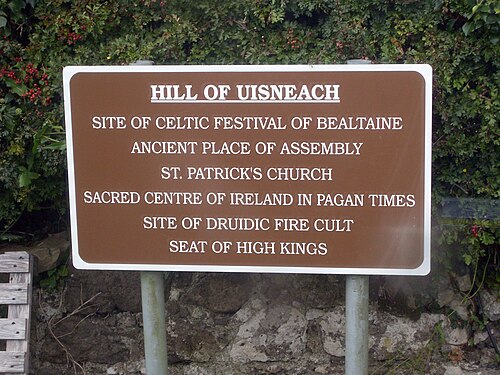 Hill of UisneachMountain / peak · 4.3 mi
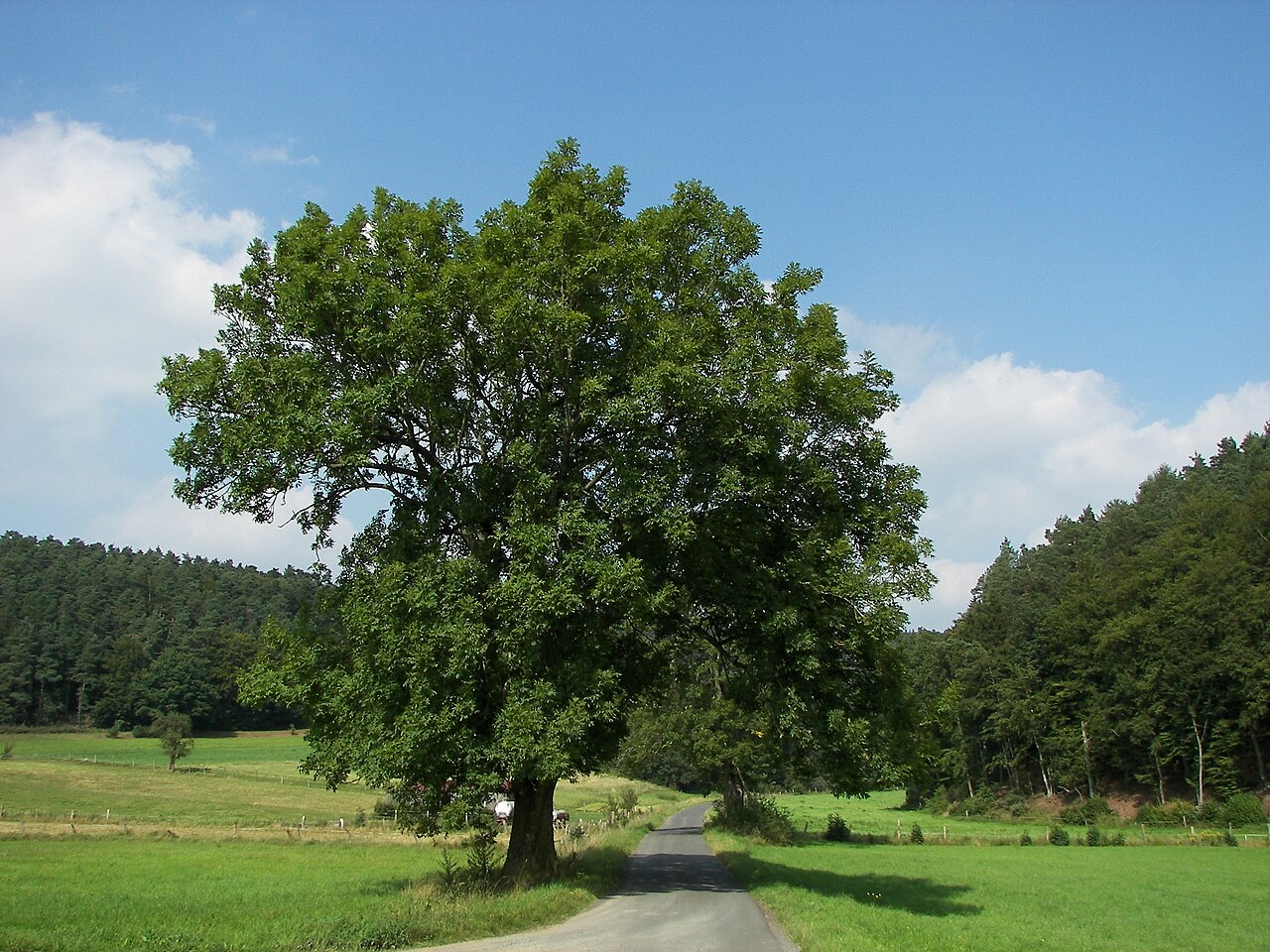 European ashEuropean ash · 5.0 mi
 Bonfire HillMountain / peak · 8.2 mi
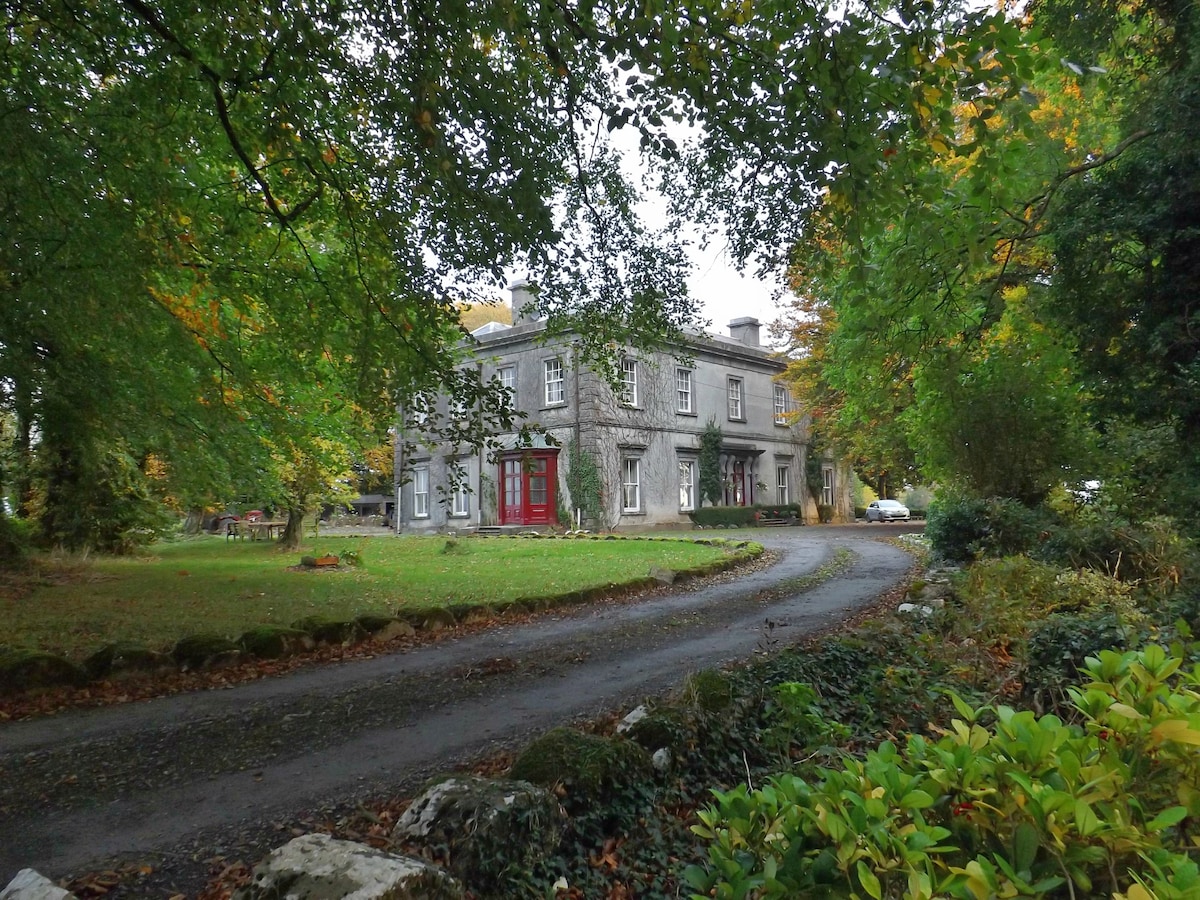 Kilmalady HillMountain / peak · 8.6 mi
Other information
Photo: National Inventory of Architectural Heritage · Website use allowed for educational or private purposes with source credit