What is recorded here
According to Gwynn and Hadcock (1970, 286, 288), a Carmelite Friary was founded here in 1347 by John Roche. At the time of the Dissolution (1539) it consisted of a church, belfry, chapter house, dormitory, hall, two chambers, a kitchen, an orchard, three cottages and 12 acres of land. In 1540 there were no buildings left on the site and in 1543 the property was granted to William Dixson, passing later to Richard Slyne and then to the Forsters. When Andrew Forster died in 1602, he was said to be seized of the monastery with a church, dormitory, hall, etc., while a convent is in the list of existing buildings c. 1737. No visible surface traces survive but, according to local tradition, the Friary stood near a cross base (KD004-021007-) which still survives c. 650m to the S of Cloncurry Church (KD004-021005-). (Bradley et al. 1986, vol. 2, 163).
Compiled by: Gearóid Conroy
Date of upload: 10 June 2011
The monument record does not grant public access. Check the route and ask the landowner before entering private land.
- What survives
- Recorded monument
Places near here
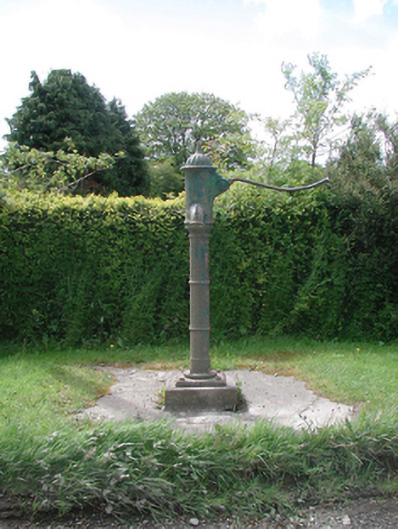 water pumpwater pump · 221 yd
 Cloncurry GraveyardHeritage attraction · 432 yd
 Grave YardGraveyard · 434 yd
 Cross in Cloncurry (ikeathy & Oughterany By., Cloncurry Ed)Cross · 435 yd
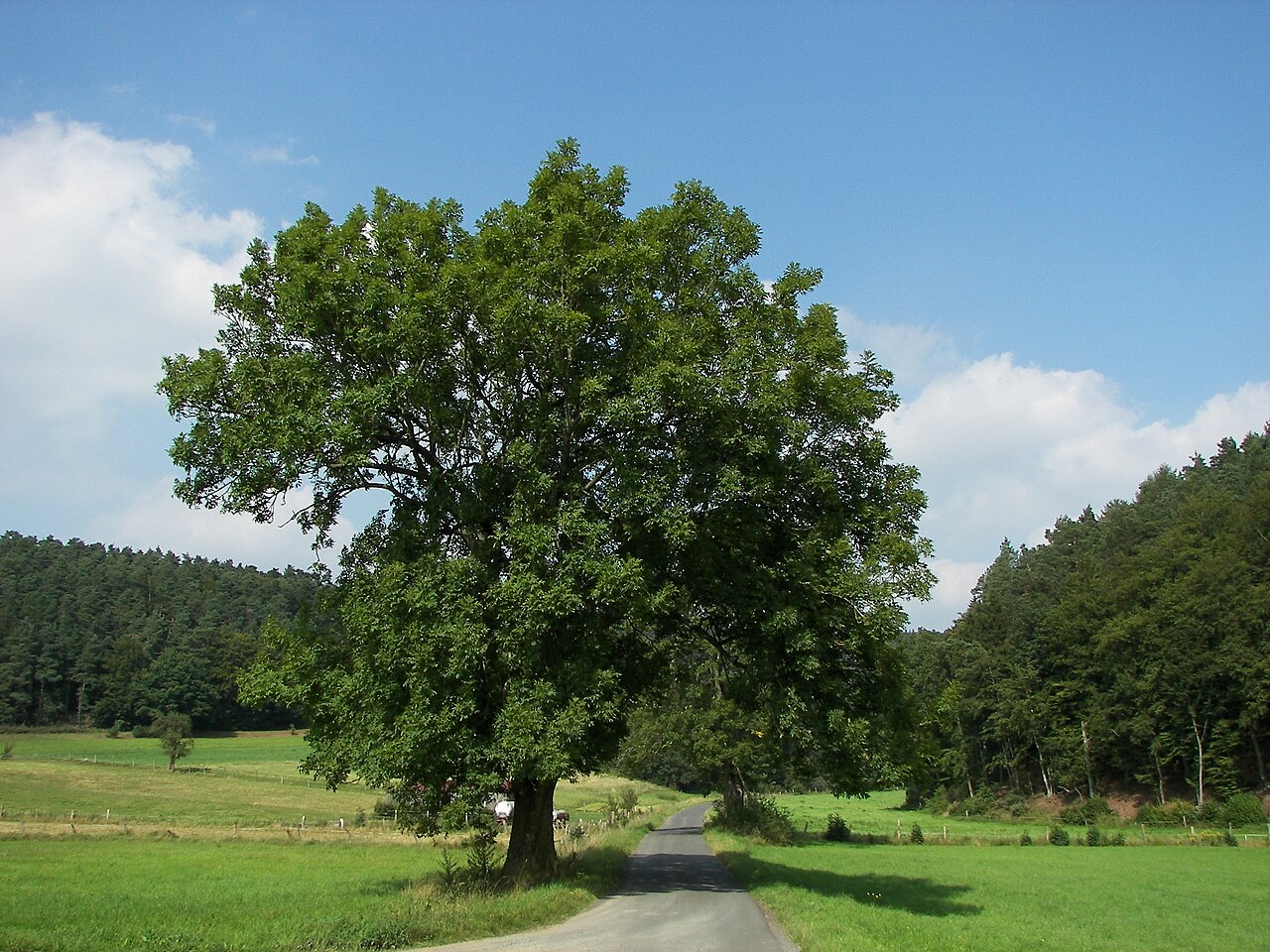 European ashEuropean ash · 526 yd
 Cloncurry MoatCastle, motte · 530 yd
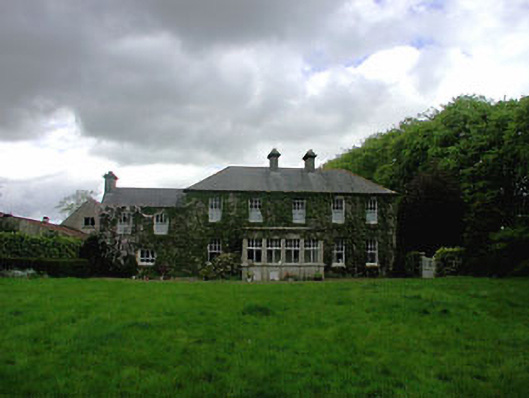 Ballyvoneen Househouse · 574 yd
 Old Bog Road made famous by Teresa Bryton 1868-1943Memorial · 1.1 mi
 Site of Dunfierth CastleCastle, unclassified · 2.5 mi
 Kilgar GardensHeritage attraction · 3.6 mi
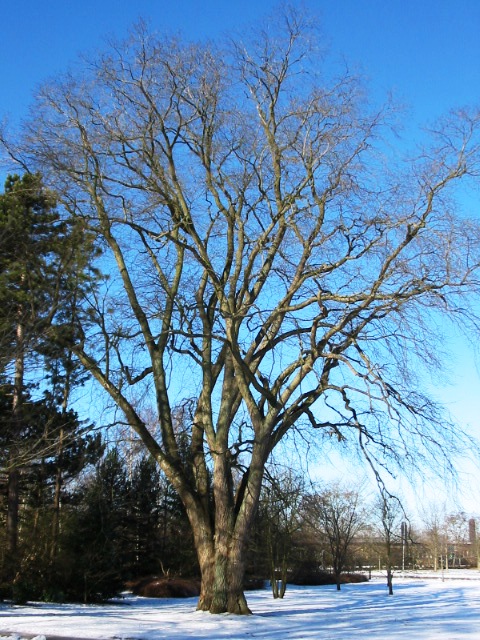 Wych ElmWych Elm · 4.2 mi
 Mass was there in Penal TimesMemorial · 5.0 mi