What is recorded here
A miniature man rests on a pillow inside the eastern window of Gowran, his curls falling over his ears while he holds a small vial or box against his breast. The 13th-century limestone slab may mark a separate heart burial, keeping one vital part of a person apart from the rest. It is small enough to overlook, yet precise enough to suggest that love, memory or devotion can be so intense it needs its own container.
Fixed into the eastern most window of the S wall of a 19th-century C of I church which was built on the former chancel of the 13th-century church of St Mary’s (KK020-060006-) in Gowran. A small tapering limestone effigial tomb lid (L 0.98m; Wth at top 0.42m; Wth at base 0.3m; T 0.18m) with chamfered edges (Wth 0.05m), carved with a miniature male figure in raised relief. The base of the slab is slightly broken and the lower sinister upper surface damaged.
Hunt (1974, vol. 1, 167) assigns a mid-13th century date to this effigy and describes the figure as, ‘wearing a long straight gown. On the breast he holds some object, perhaps a vial or box, so that this may represent a heart burial. The head rest on a pillow and hair curls down over the ears’.
In medieval funerary tradition the heart was sometimes buried in a separate place to the body and in such cases the heart burials are often commemorated by miniature or half-length effigies (ibid. 135).
Compiled by: Jean Farrelly
Date of upload: 14 August 2019
Effigial tomb; 19th-century addition to a medieval church site. Its significance lies in its reuse of a historic ecclesiastical location, reflecting continuity of sacred space through different periods.
The monument record does not grant public access. Check the route and ask the landowner before entering private land.
- What survives
- Recorded monument
Places near here
 Saint Mary's Church (Gowran)church/chapel · 13 yd
 Church (in ruins)Church · 21 yd
 Font in GowranFont · 37 yd
 IndicatedTown defences · 66 yd
 Castle (Site of)Castle, unclassified · 332 yd
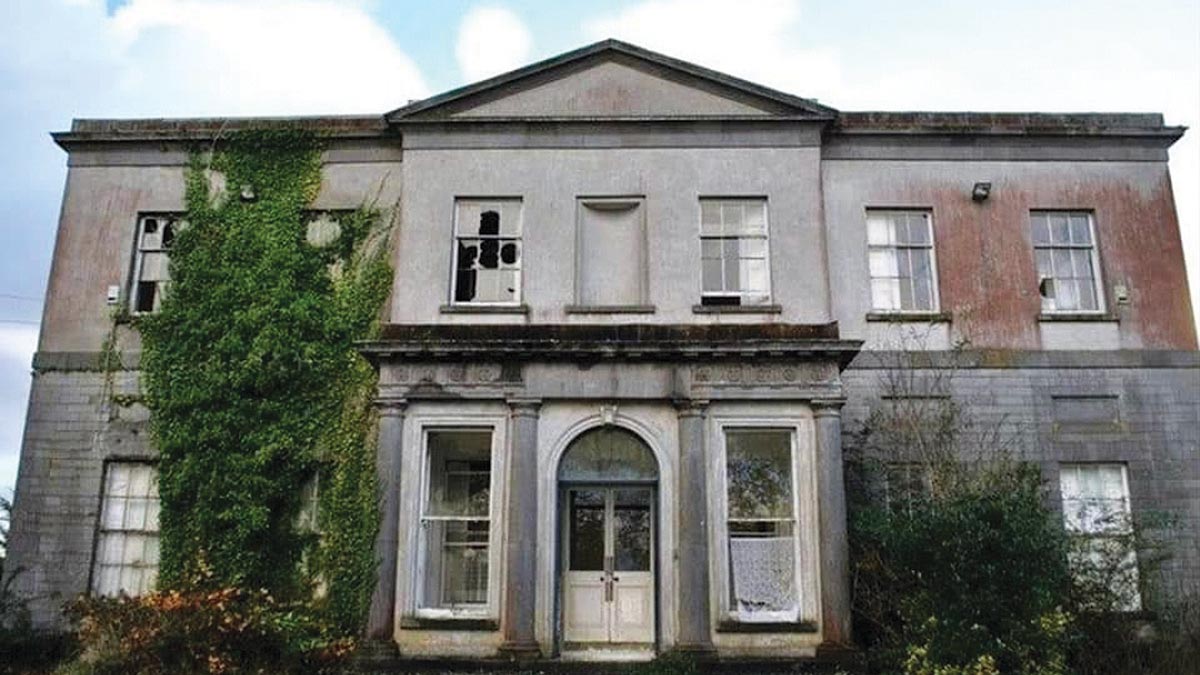 Bawn in Gowran DemesneBawn · 553 yd
 The Pey FieldForest · 3.2 mi
 The ClahounForest · 3.3 mi
 Tullaherin Church and Round TowerVisitor information · 4.4 mi
 St. Mogarra’s WellSpring · 4.6 mi
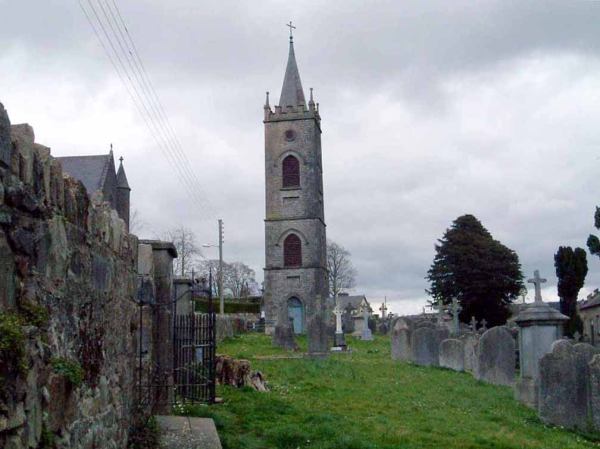 Kilbline GraveyardArchaeological place · 5.3 mi
 Time CapsuleMemorial · 5.5 mi