What is recorded here
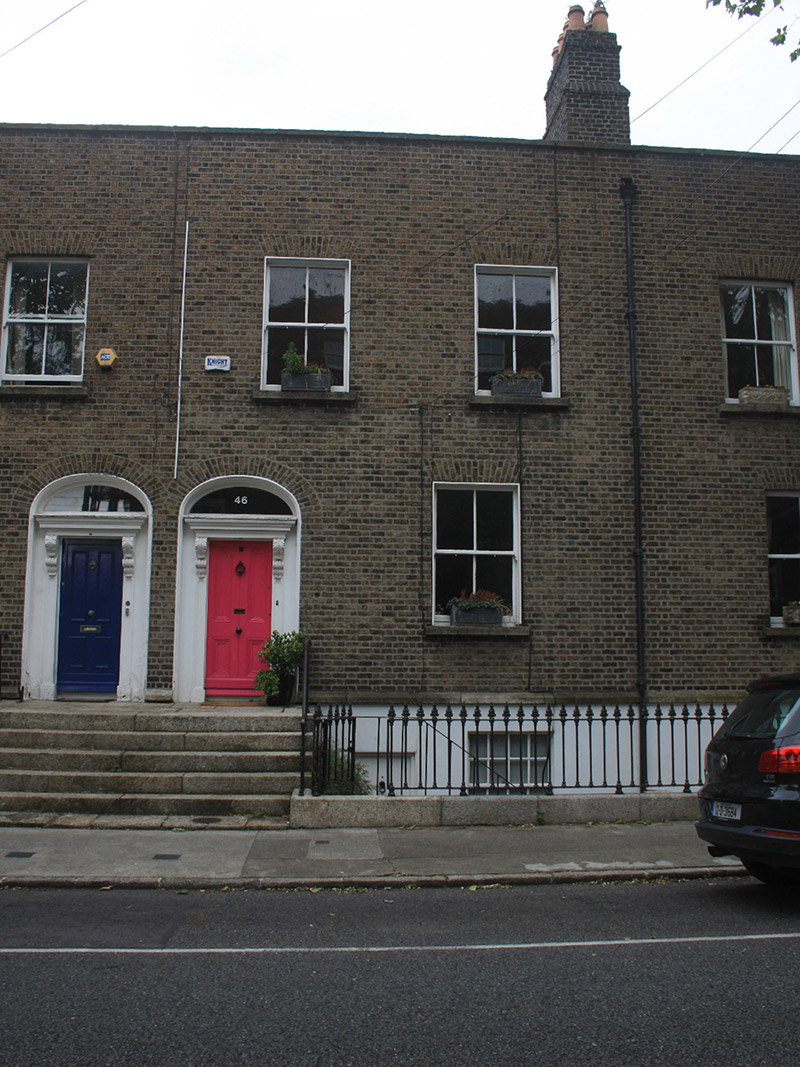
Terraced two-bay two-storey house over raised basement, built c. 1860, as one of terrace of three. Pitched slate roof with brick chimneystacks having terracotta pots, partially hidden behind brick parapet with cut granite coping. Shared cast-iron rainwater goods. Brown brick, laid in Flemish bond, to wall to front (west) elevation, cut granite plinth course over rendered basement wall. Square-headed window openings having granite sills, raised render reveal and two-over-two pane and eight-over-eight pane timber sliding sash windows. Elliptical-headed door opening to front, with moulded render surround. Doorcase comprising panelled pilasters, scrolled consoles having acanthus leaf decoration, supporting carved cornice. Plain fanlight and timber panelled door. Granite steps with cast-iron boot-scrape to shared platform. Cast-iron coal-hole cover to bottom step. Square-headed door opening to basement having recent door. Cast-iron gate and matching railings on cut granite plinth wall enclosing basement area.
This attractive house retains much of its historic fabric, and the classically-influenced doorcase in particular enhances its traditional character. The fine cast-iron railings add technical interest and complement the restrained facade. Synge Street was reputedly named for the Church of Ireland Bishop Edward Synge who held land there in the eighteenth century. The street was developed from the late 1840s, as demand for suburban housing grew. ?
This does not grant access. Most recorded buildings are privately owned; view them only from public ground unless the owner allows entry.
Places near here
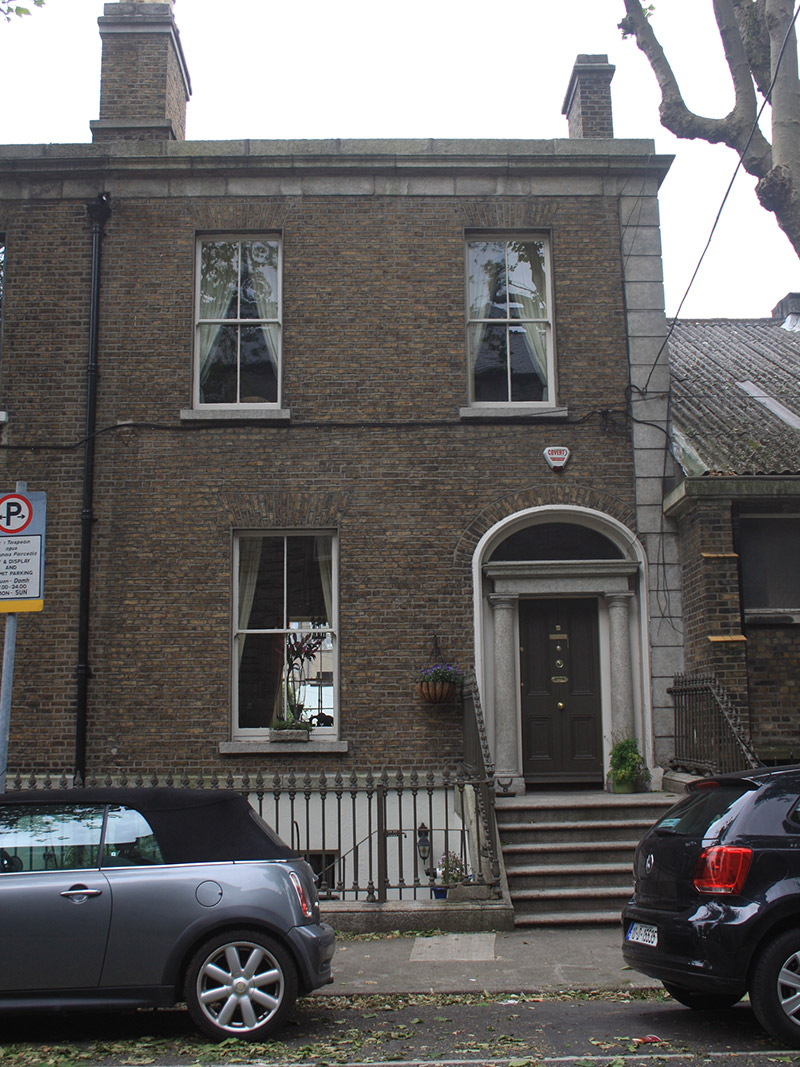 Grove Househouse · 68 yd
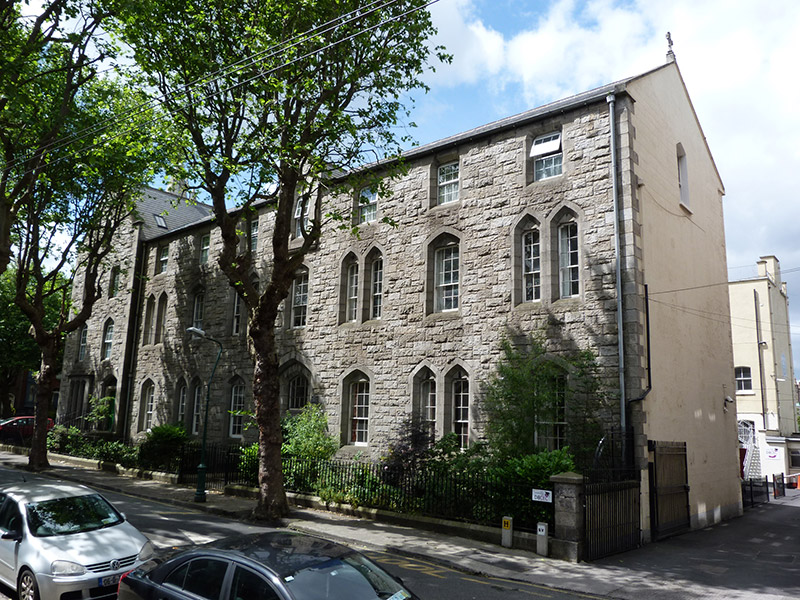 The Lantern Centreschool · 72 yd
 International Tailors, Pressers and Machinists UnionMemorial · 111 yd
 The Copper House GalleryGallery · 147 yd
 Irish Jewish MuseumMuseum · 403 yd
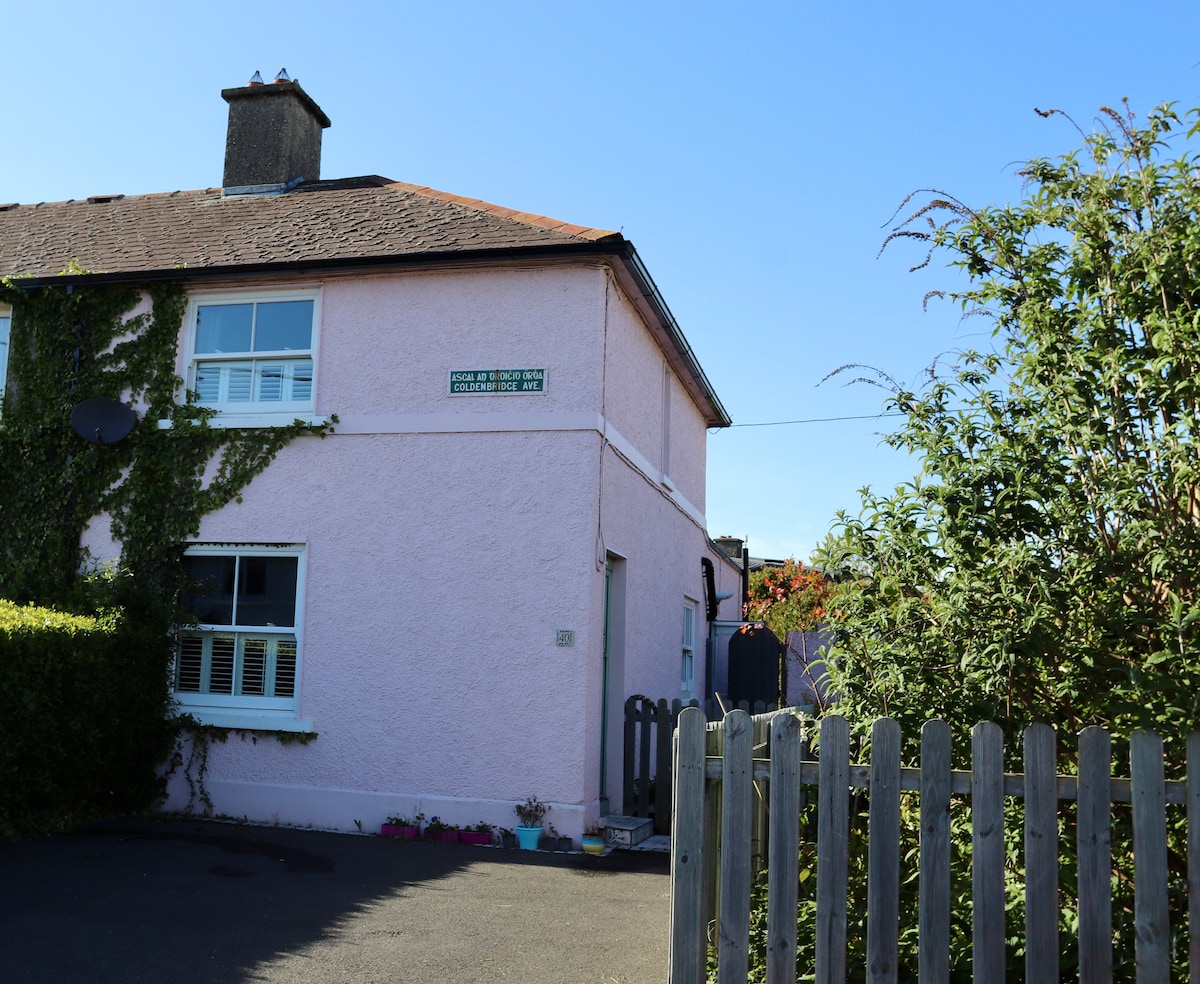 Habitation site in Unknown TownlandHabitation site · 780 yd
 Liberty BellMonument · 816 yd
 Litterary paradeMemorial · 833 yd
 Battle of RathminesMajor battlefield · 1310 yd
 Bigleaf MapleBigleaf Maple · 1470 yd
 Oriental planeOriental plane · 1557 yd
 Burning of the Custom Housearmed conflict · 1.2 mi
Other information
Photo: National Inventory of Architectural Heritage · Website use allowed for educational or private purposes with source credit