What is recorded here
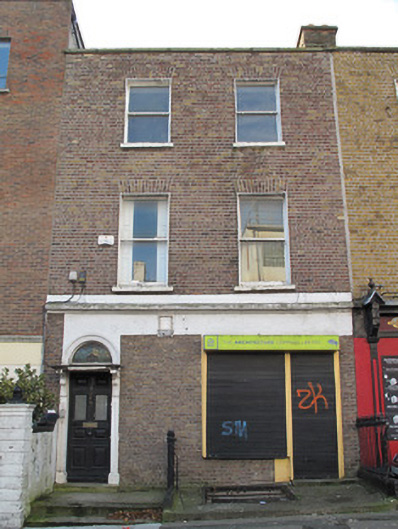
Terraced two-bay three-storey over basement house, built c.1855, with recent shopfront added to front (north) elevation. M-profile pitched slate roof, hipped to east, with shared brick chimneystacks, raised red brick parapet wall having granite coping to front. Red brick laid in Flemish bond to walls, moulded render cornice over render fascia to ground floor. Square-headed window openings with red brick voussoirs, raised render reveals, painted masonry sills and one-over-one pane timber sash windows. Some timber shutters visible to interior. Cast-iron grille set to pavement to front, square-headed window opening visible to basement area. Round-headed door opening to front with moulded masonry surround, fluted pilasters and consoles supporting timber canopy, stained glass fanlight over half-glazed timber panelled door, opening onto granite platform with nosed granite steps, cast-iron railings to north. Render surround to shopfront, square-headed door and window openings with shutters.
This building displays a regularity of design and proportion which can be seen in the arrangement of fenestration and doorcase, and is characteristic of architecture of this era. Timber sash windows are retained throughout, which contributes to the character and charm, and the elegant doorcase and stained glass fanlight add aesthetic interest. Dominick Street began to be developed from the mid eighteenth century, when the widow of Sir Christopher Dominick decided to let the land in lots for building. However, Upper Dominick Street was not developed until some hundred years later, when the construction of the Midland Great Western Railway Terminus at Broadstone prompted considerable residential development in the area. The land upon which this house was built belonged to the Palmerston family. The Dublin Street Directory of 1862 indicates that this was the residence of a Robert Kirk, a bookseller, newspaper & railway advertising agent, testament to the direct influence the railway had upon employment and housing in this area. Several of the neighbouring plots are listed as being ‘building ground’ or vacant in this document, indicating that construction was ongoing.
This does not grant access. Most recorded buildings are privately owned; view them only from public ground unless the owner allows entry.
Places near here
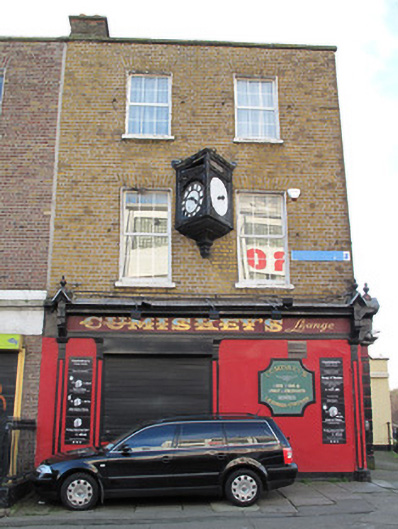 Cumiskey'shouse · 7 yd
 Hendronsfactory · 50 yd
 King's Inns ParkVisitor information · 102 yd
 14 Henrietta Street museumMuseum · 270 yd
 Hungry TreeHeritage attraction · 275 yd
 London PlaneLondon Plane · 280 yd
 Iris MurdochMemorial · 376 yd
 Burial in Unknown TownlandBurial · 479 yd
 Chinese ToonChinese Toon · 482 yd
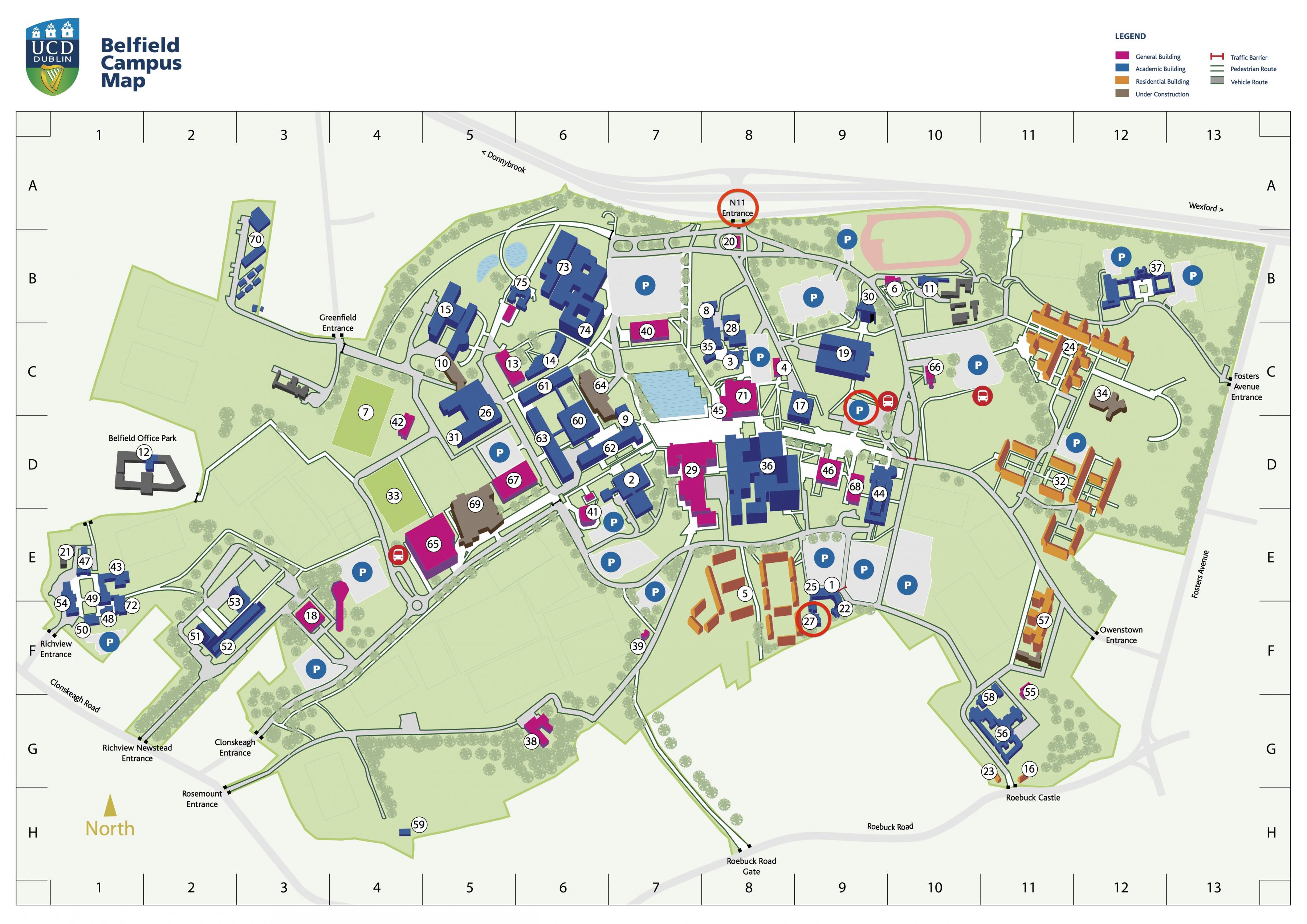 Campus Information PointVisitor information · 657 yd
 Burial ground in Unknown TownlandBurial ground · 814 yd
 UN Veterans MemorialMemorial · 1111 yd
Other information
Photo: National Inventory of Architectural Heritage · Website use allowed for educational or private purposes with source credit