What is recorded here
Donore Castle rose five storeys above Westmeath as a finely cut tower for the Geoghagan family, its entrance guarded by carved heads of a king and bishop. Cromwellian forces broke that defiance in 1650 when John Reynolds captured the castle and executed James McGeoghegan with forty or fifty men. The tower survived that blood and remained occupied until the middle of the twentieth century, proving that stone memory can outlast the lives that first shaped it.
In 1654-56 Donore castle was described in the terrier of the Down Survey map of Ardnurcher parish as 'The Castle of Doonore is at present guarsioned' (NLI, MS 723-4). In 1640 the castle was in the possession of 'Conly McKeadagh Geoghagan' who is listed in the Down Survey map as an 'Irish papist' (ibid.).
Donore Castle was described by Salter (2004, 148) as following; 'This five storey tower measuring 12.3m by 9.5m with very fine quality stonework has on the SW side a Latin inscription of 1809 recording its construction in 1598 by Brian McGeoghegan and his wife Catherine O'Connor. The entrance on the SE side has geometrical patterning on the jambs, carved heads of a king and bishop, and retains an iron yett with a tracery pattern at the top. The third storey has a fireplace on the SW side and a latrine in the NW wall. The upper windows are lancets set in the centre of each side and having delicately carved spandrels. A gunloop opens off the staircase in the south corner. The east corner has angle loops on the second and fifth storeys. Despite having no road or track out to it, the castle remained occupied until the middle of the 20th century but is now ruined. After it was captured in 1650 by the Cromwellian John Reynolds, James McGeoghegan and his garrison of forty or fifty men were all executed'.
Compiled by: Caimin O'Brien
Date of upload: 25 November 2019
Donore Castle was held by Conly Mac Conly in 1640 and was still occupied in 1654–56, as recorded in the Down Survey. It is remembered as a surviving example of early modern Irish castle architecture and landholding in the Ardnurcher parish area.
The monument record does not grant public access. Check the route and ask the landowner before entering private land.
- What survives
- Recorded monument
Places near here
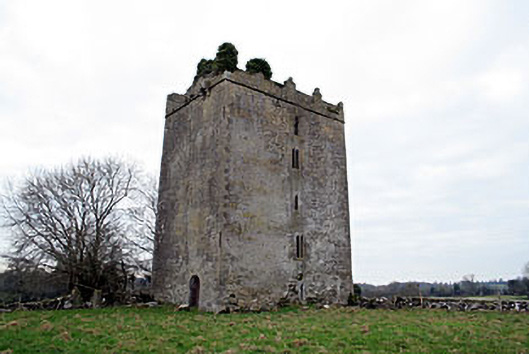 Donore Castlecastle/fortified house · 1 yd
 Coolalough Housefarmyard complex · 731 yd
 Bawn in CoolaloughBawn · 987 yd
 Enclosure in Skeheen (nagle)Enclosure · 1420 yd
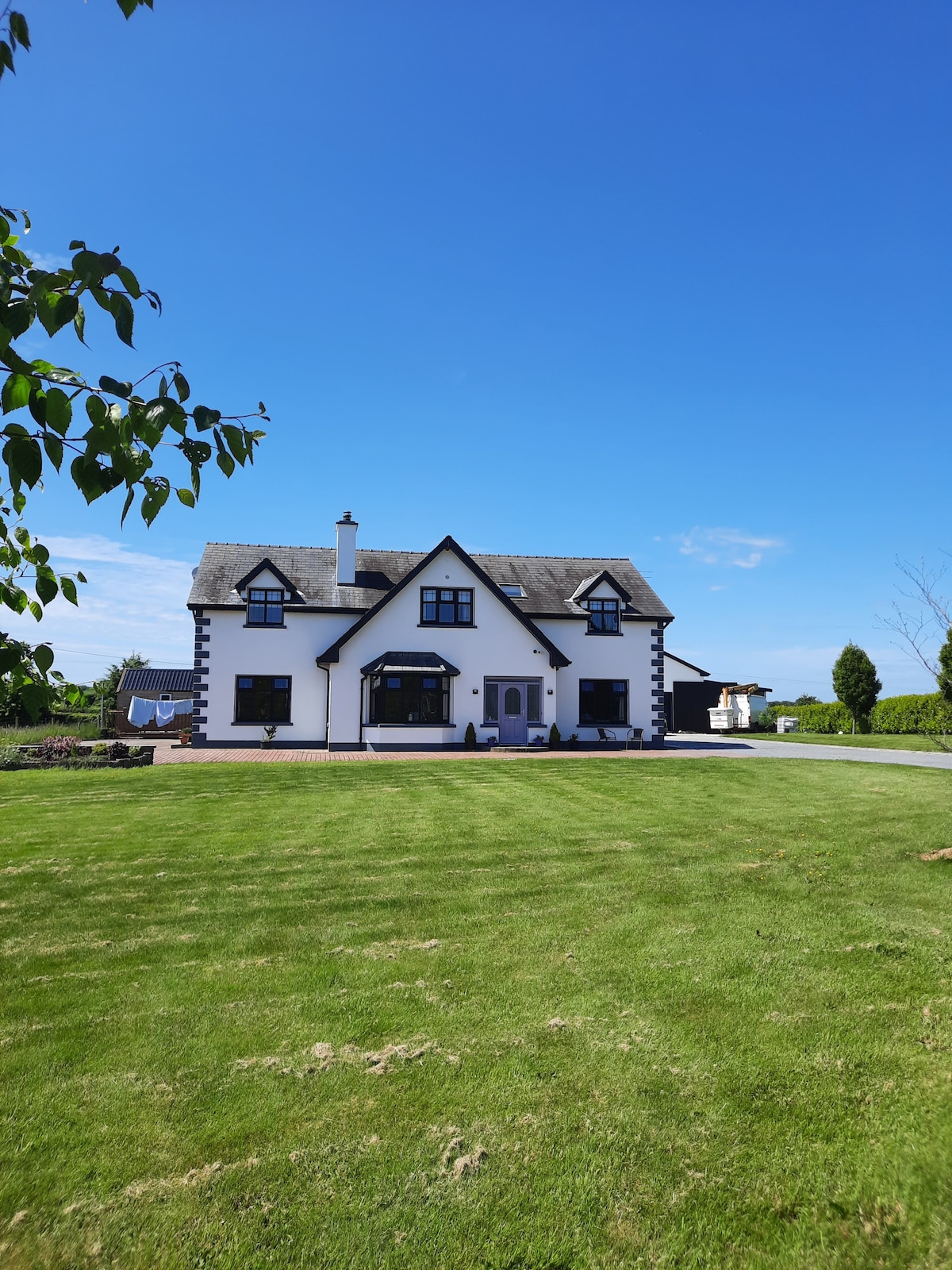 Hachured, Wall, HorseleapCastle, motte and bailey · 1497 yd
 IndicatedTown defences · 1541 yd
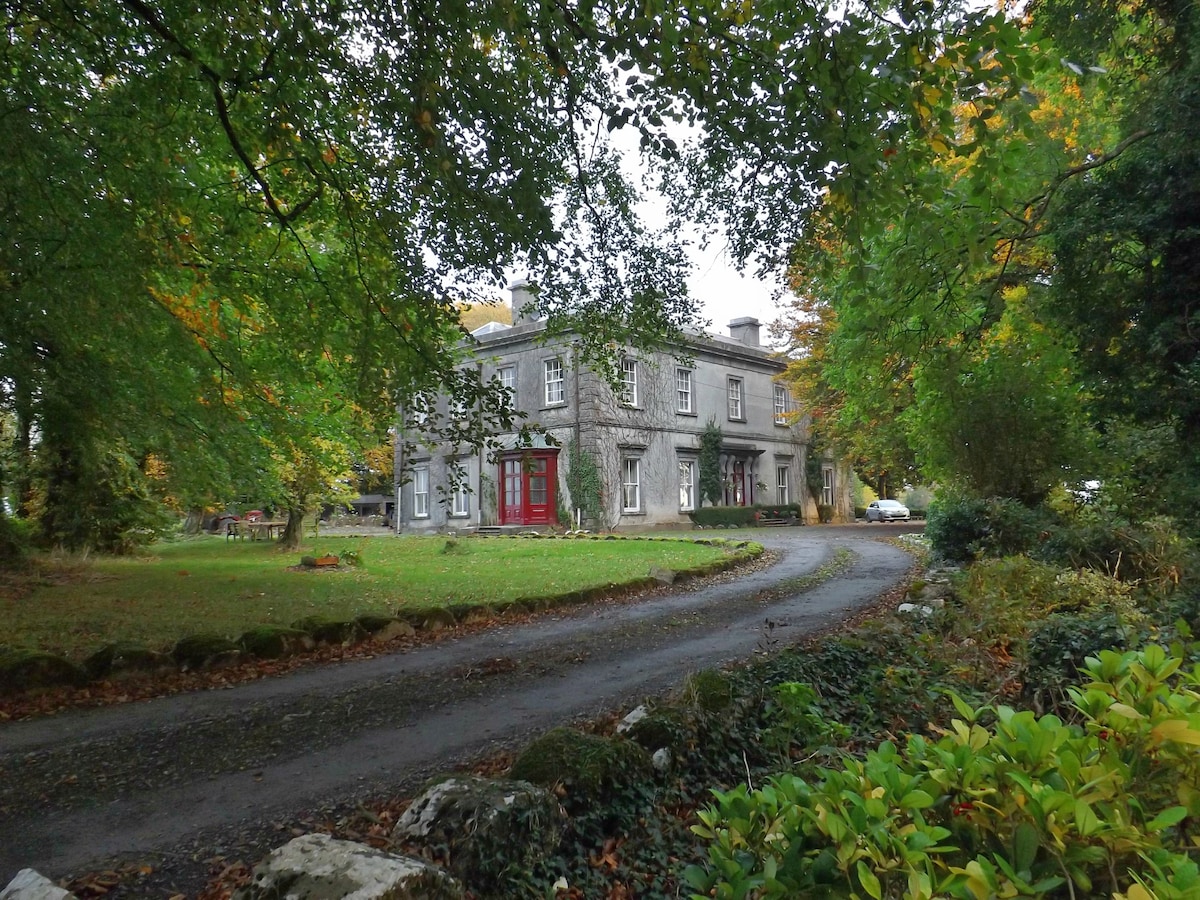 Kilmalady HillMountain / peak · 2.1 mi
 Chapel HillForest · 4.1 mi
 High WoodWood · 4.6 mi
 ToberaskeenSpring · 4.7 mi
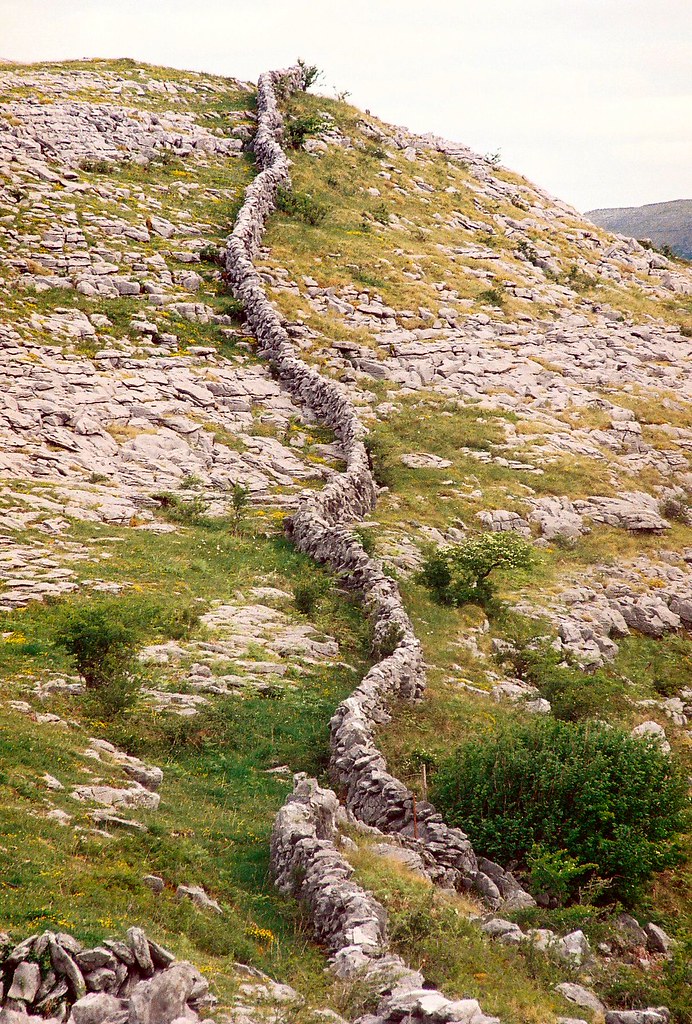 Roughan HillMountain / peak · 4.9 mi
 St. Columba's WellSpring · 5.0 mi