What is recorded here
Dolmens are chamber tombs built from giant stones during the Late Neolithic, yet people in Sumba still construct them for lineage graves today. The word entered archaeology through a French writer who misspelled a Breton or Cornish term, proving that even facts about death can be born from human error. What began as burial architecture became a global language of stones, carrying the same quiet weight from Ireland to Indonesia.
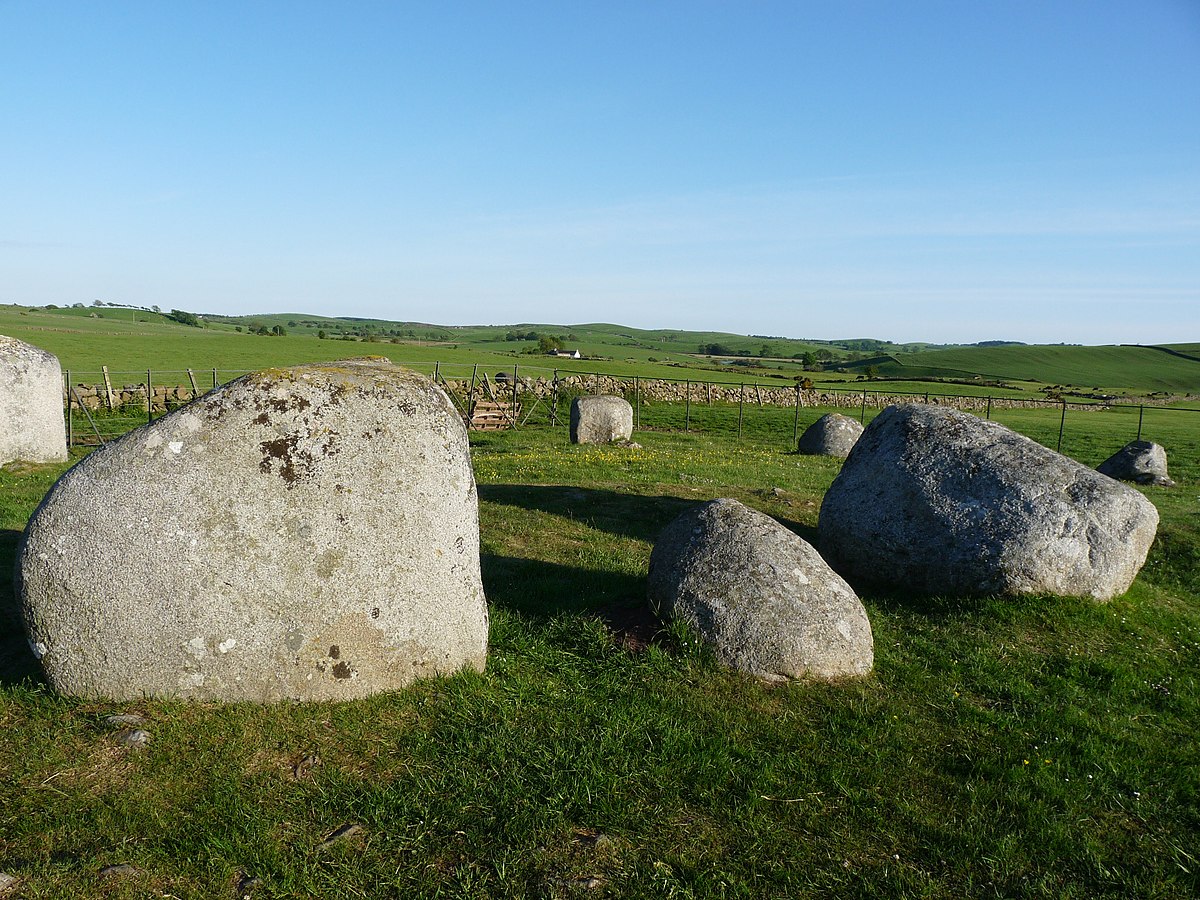
In gently sloping arable land, on W side of Cummer River valley. Rounded boulder (2.4m x 1.3m; 1.6m T) resting on three support stones. (Ó Nualláin 1978, 84, no. 3)
The above description is derived from the published 'Archaeological Inventory of County Cork. Volume 3: Mid Cork' (Dublin: Stationery Office, 1997). In certain instances the entries have been revised and updated in the light of recent research.
Date of upload/revision: 14 January 2009
Portal dolmen; likely dates to the Neolithic period. It represents an early form of megalithic monument associated with burial and ceremonial practices in prehistoric Ireland.
The monument record does not grant public access. Check the route and ask the landowner before entering private land.
- What survives
- Recorded monument
Places near here
 BarrowBarrow, ring-barrow · 1472 yd
 Bridge in DunmarklunBridge · 1631 yd
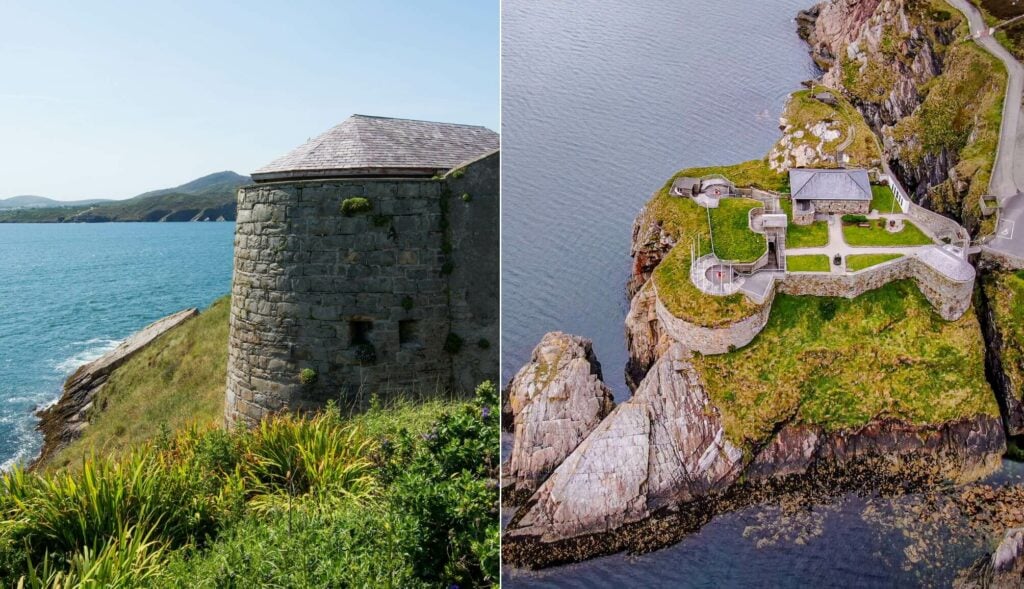 Doona FortFairy fort / earthen ringfort · 1693 yd
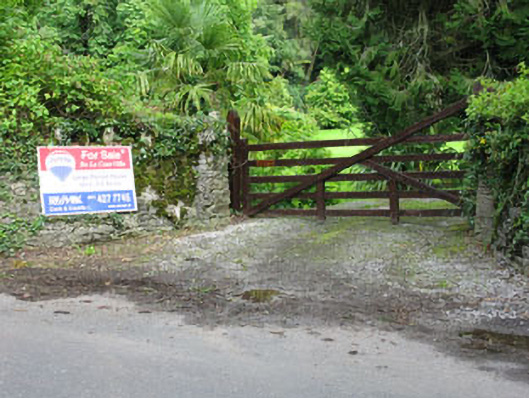 De Lacour Housecountry house · 1.1 mi
 Castle (Site of)Castle, unclassified · 1.2 mi
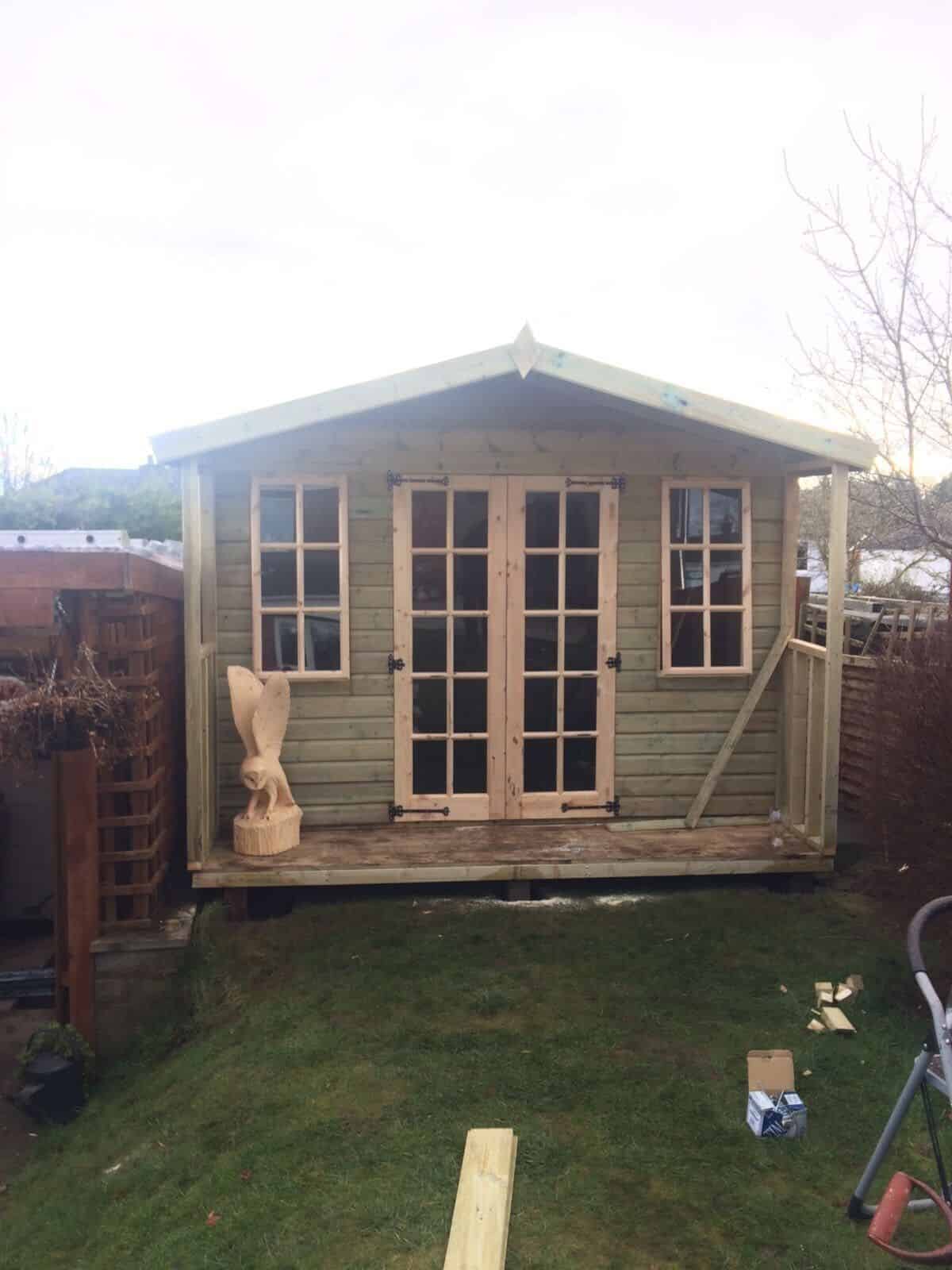 Summerhouse WoodForest · 1.4 mi
 Stephen's WoodForest · 2.0 mi
 Priest MemorialMemorial · 2.5 mi
 Kilmurry WoodsPicnic place · 2.5 mi
 Independence MuseumMuseum · 2.9 mi
 Mashanaglass Castle (in Ruins)Castle, tower house · 2.9 mi
 Battle of Macroombattle · 3.8 mi