What is recorded here
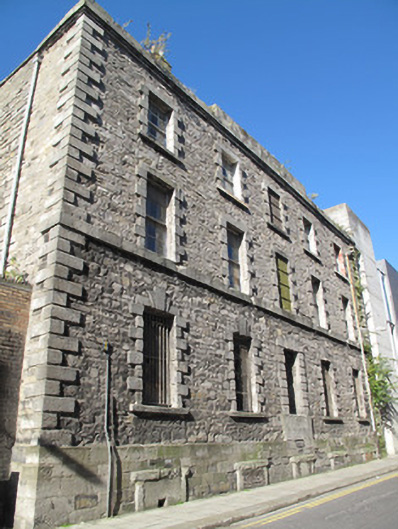
Freestanding U-plan five-bay three-storey over half-basement former debtors' prison, built 1794, having returns to rear (west) elevation. Later in use as police barrack and subsequently in use as Garda Síochána station. Now disused. Hipped slate roofs, red brick chimneystacks with clay chimneypots and some cast-iron rainwater goods. Raised parapet wall having granite coping throughout, ashlar granite parapet over granite string course to front (east) elevation, stepped to centre. Roughly coursed dressed limestone walls, granite block-and-start quoins and platband forming continuous sill course to first floor to front. Square-headed niche to ground floor to front, rusticated granite surround and stepped voussoirs. Coursed squared limestone raised plinth course. Square-headed former window openings to plinth course, granite surrounds, blocked with red brick and render. Square-headed window openings throughout, rusticated granite block-and-start surrounds, sills and lintels, six-over-six pane timber sash windows, some having cast-iron railings, to front. Stepped granite keystones to ground floor windows. Square-headed window openings to rear elevations, having block-and-start granite surrounds and mixed six-over-six and one-over-one pane timber sash windows. Coursed rubble boundary wall surrounding yard to rear.
The strong and intimidating impression conveyed by this former debtors' prison is emphasised by granite detailing to the window surrounds and quoins, window rails, and by the absence of an entrance to the front, adding a suitably austere atmosphere, considered necessary for such civic buildings. This is further emphasised through the symmetrical U-shaped plan. This building could accommodate up to a hundred detainees in varying levels of comfort, and it was built to replace "sponging" houses, where debtors were held by bailiffs at their own expense, often extortionately, until their debt was repaid. The laws against debtors were severe in the nineteenth century and there were five debtors' prisons in Dublin in 1841. This one has survived in a largely intact state owing to its continuous use: it is labelled as a police barrack on the 1907 Ordnance Survey and was subsequently repurposed as a Garda Síochána station.
This does not grant access. Most recorded buildings are privately owned; view them only from public ground unless the owner allows entry.
Places near here
 Burial in Unknown TownlandBurial · 23 yd
 Green Street Courthousecourt house · 59 yd
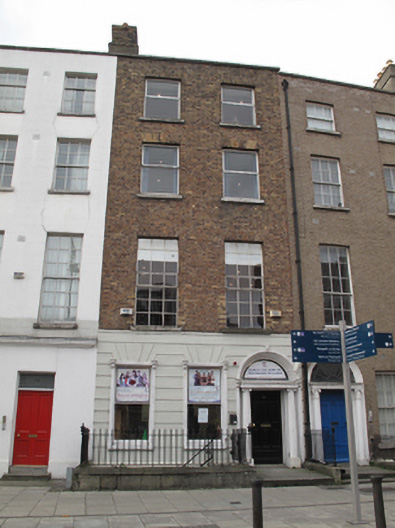 Dublin College of Advanced Studieshouse · 73 yd
 14 Henrietta Street museumMuseum · 258 yd
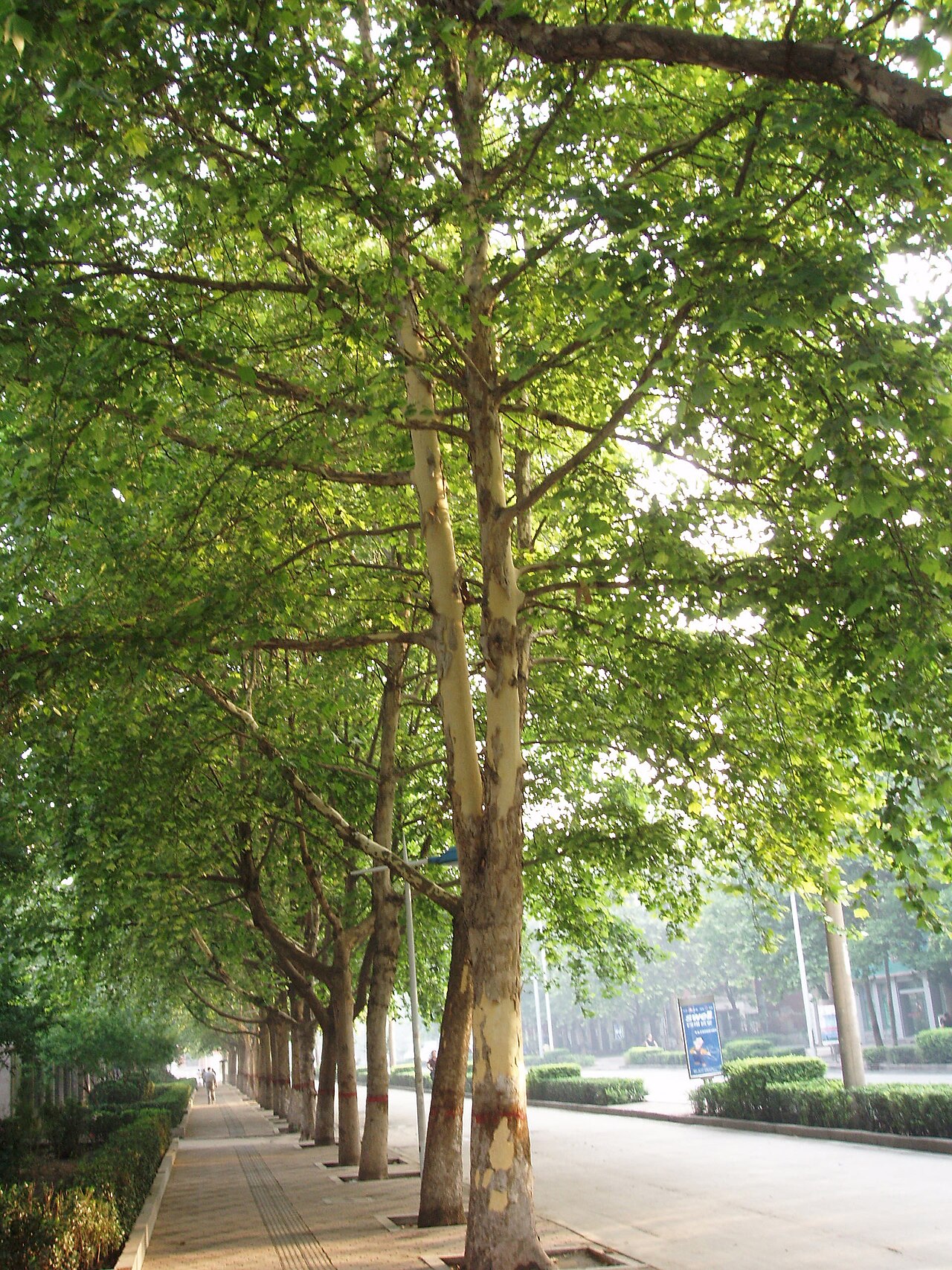 London PlaneLondon Plane · 284 yd
 Hungry TreeHeritage attraction · 286 yd
 Sir John T GilbertMemorial · 319 yd
 Habitation site in Unknown TownlandHabitation site · 408 yd
 King's Inns ParkVisitor information · 429 yd
 Iris MurdochMemorial · 837 yd
 Burial ground in Unknown TownlandBurial ground · 888 yd
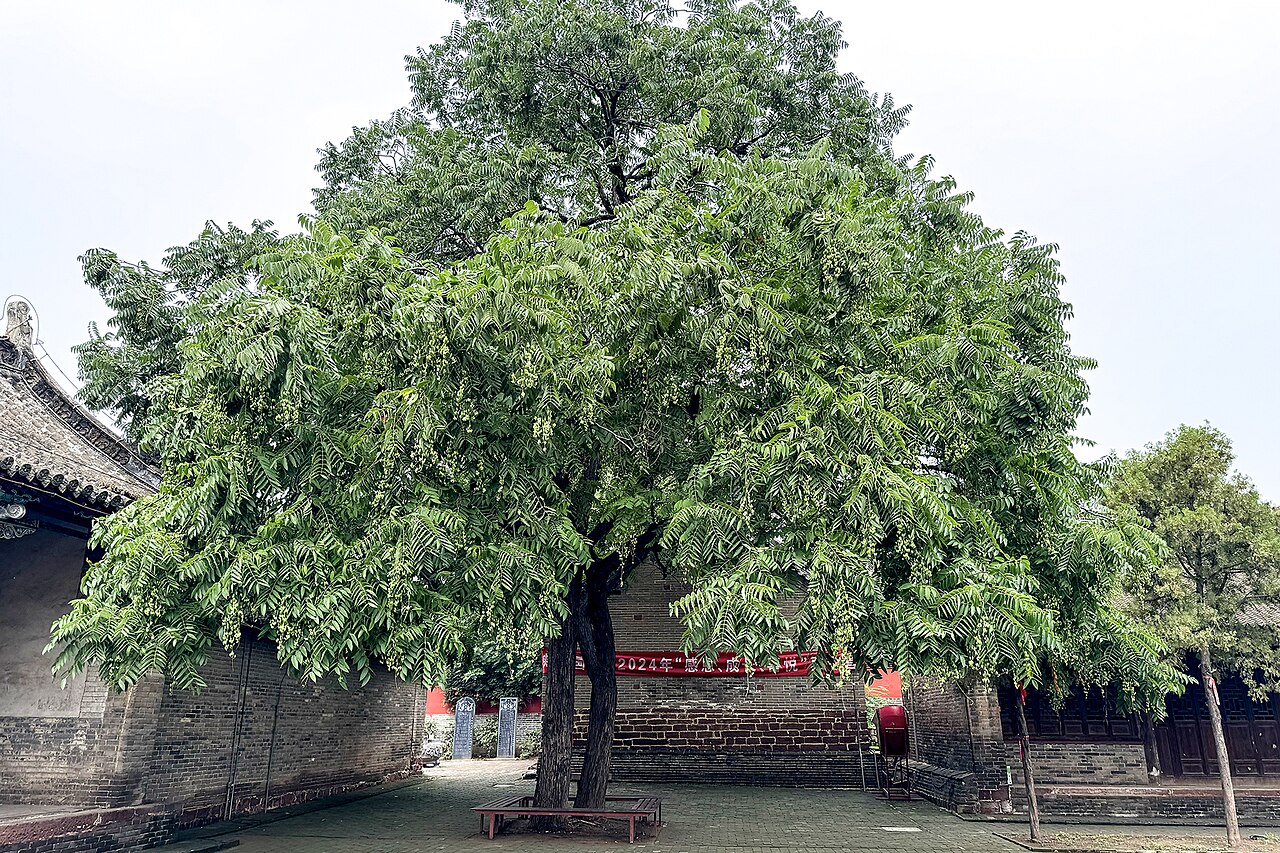 Chinese ToonChinese Toon · 921 yd
Other information
Photo: National Inventory of Architectural Heritage · Website use allowed for educational or private purposes with source credit