Places near here
Photo credits
- National Inventory of Architectural Heritage
- Sitomon, Wikimedia Commons · CC BY-SA 2.0
- Olivier BEZES, Wikimedia Commons · CC BY 2.5
- Joe King, Wikimedia Commons
- Laurel Lodged, Wikimedia Commons
- D18Jessica, Wikimedia Commons · CC BY-SA 4.0
- JP, Wikimedia Commons · CC BY-SA 2.0
- Joe King, Wikimedia Commons · CC BY-SA 3.0
- JP, Geograph · CC BY-SA 2.0
 Marlay HouseGates/railings/walls · 9 yd
Explorer Tom Marlay House gates again! These ones are from 1936 with rock-faced granite piers and wrought iron gates. They’re making a pleasing visual statement in that sylvan street scene. They look a bit more refined than their 1907 neighbours, don’t they?
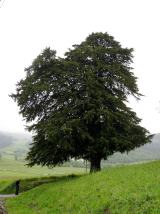 European Yew98 yd
Explorer Tom European Yew: Legend says a queen once visited this yew and left a promise she never kept, which explains its long face. It’s been waiting for that royal apology for centuries while just standing there looking stern and slightly judgmental. Go with someone who loves old stuff and watch them melt.
Start / End Point Wicklow WayVisitor information · 265 ydExplorer Tom Start / End Point Wicklow Way is where a bishop refused to visit because he said the sign was too close to his head, so now it’s haunted by his ego and the smell of old incense. It’s a bit like standing at the edge of the world except the world is actually just more walking and possibly some very confused sheep. Stand there long enough and someone will ask if you're lost.
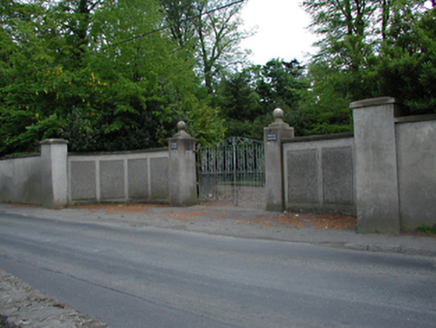 Marlay GrangeCountry house · 381 yd
Explorer Tom Marlay Grange is a proper Victorian Gothic castle in mini-me form. Built around '72, it has gables, dormers, and a tower with a pyramidal roof. It looks like something out of a fairy tale, but probably costs more than your house combined.
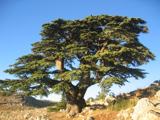 Lebanon Cedar630 yd
Explorer Tom Lebanon Cedar in County Dublin smells like expensive soap and old money, according to Tom, who has never been there but knows everything. It’s trying too hard to be fancy for a tree that just wants to stand still. Ring your granny and tell her where you are before you get lost in the scent.
 Marlay ParkPark · 675 yd
Explorer Tom If I promise a quick walk through Marlay, remind me what my legs promised last time. Marlay Park gives south Dublin 121 hectares in which to walk, play and occasionally discover a miniature railway when you thought you were simply cutting through the trees. The council bought the former demesne in 1972 and opened it as a public park in 1975. Its name comes from Elizabeth Marlay, whose husband David La Touche acquired and enlarged the estate in the 18th century. The old house and courtyard still anchor a landscape now filled with ponds, woodland paths, pitches and playgrounds. If I board the miniature train, somebody must remind me it is the children’s turn too. Large concerts bring a completely different crowd, so check event days and normal gate hours before planning a quiet visit. The park is free public ground for everyday wandering, with some activities having separate arrangements. Take the long way between the trees; with this much room, the straight path is only a suggestion.
IndicatedMound · 950 ydExplorer Tom Mound in Haroldsgrange hosted a fake royal visit back in the day that nobody can disprove because everyone was too busy drinking to write it down properly. It’s just sitting there on top of its little earthwork, looking smug about all the attention it got for nothing. Bring your own legend, I've run out of good ones.
 St Enda's ParkPark · 1055 yd
Explorer Tom St Enda's Park was once a school where a walk among trees could count as part of the lesson, a system I would have supported with suspicious enthusiasm. The main Rathfarnham house began as The Hermitage in 1760. Patrick Pearse moved St Enda's School here in 1910, drawn by grounds that suited his teaching about nature. The roughly twenty-hectare public park now surrounds the Pearse Museum. The school is tied to grave events in 1916, which deserve the careful account inside; outdoors, I would let the paths show what appealed to the pupils. Check park gates and museum hours separately, and keep to public paths. Look from the house towards the trees. Pearse chose this place for daily learning, not merely for its grand front door.
 Kilmashogue Wedge TombArchaeological place · 1.5 mi
Explorer Tom Kilmashogue Wedge Tomb in County Dublin has a one-legged crow that refuses to leave, claiming it’s the guardian of the ancient stones. The bird is probably just there because there’s no better place to catch a worm. Find a local and ask them the real story, then come back and tell me.
 Mount Venus CemeteryCemetery · 1.9 mi
Explorer Tom Mount Venus Cemetery in County Dublin was originally planned as an escape route for a very nervous vicar who couldn’t handle the pressure of his new parish. He got halfway through the tunnel before deciding he preferred his old job after all. A handy spot to stretch your legs and your imagination.
 KilmashogueMountain / peak · 2.0 mi
Explorer Tom Kilmashogue is part of the Dublin Mountains and looks great from the southeast. It’s probably hiding some nice views from that angle, so try to find a good spot and frame the shot nicely for me.
 Austin Clarke BridgeMemorial · 2.0 mi
Explorer Tom Austin Clarke Bridge is hiding a smuggling route under the arches where poets used to sneak their unpublished manuscripts past the local authorities in the middle of the night. Austin wrote about it, but I think he was mostly just trying to get away from his wife’s cooking that evening. Bring a pen pal, they'll be jealous.
More historic places in County Dublin · All of County Dublin

What do you know about this place?Tap to add a comment or ask a question