What is recorded here
Death once wore many masks, but pit-burial remained the oldest language. People dug shallow holes, placed what they loved or feared, and covered it with earth. The chamber disappeared, yet memory kept its shape. When others forgot the name, the dead still occupied the land.
During archaeological test-trenching in advance of a housing development, a pit (diam. 0.28m; D 0.15m) was discovered. The pit contained a dark charcoal-rich fill with inclusions of cremated bone. A piece of limestone appears to define the northern edge of the pit. The pit shares similar characteristics with two other pit-burials (CO087-135----; CO087-140----) found in the vicinity. (Sherlock 2002, 13)
The above description is derived from 'The Archaeological Inventory of County Cork. Volume 5' (Dublin: Stationery Office, 2009).
Date of upload: 22 December 2009
A Neolithic pit-burial; significant for containing cremated bone and charcoal-rich fill, indicative of early funerary practices in the region.
The monument record does not grant public access. Check the route and ask the landowner before entering private land.
- What survives
- Recorded monument
Places near here
 Pit-burial in Carrigaline MiddlePit-burial · 30 yd
 Burnt spread in Carrigaline MiddleBurnt spread · 33 yd
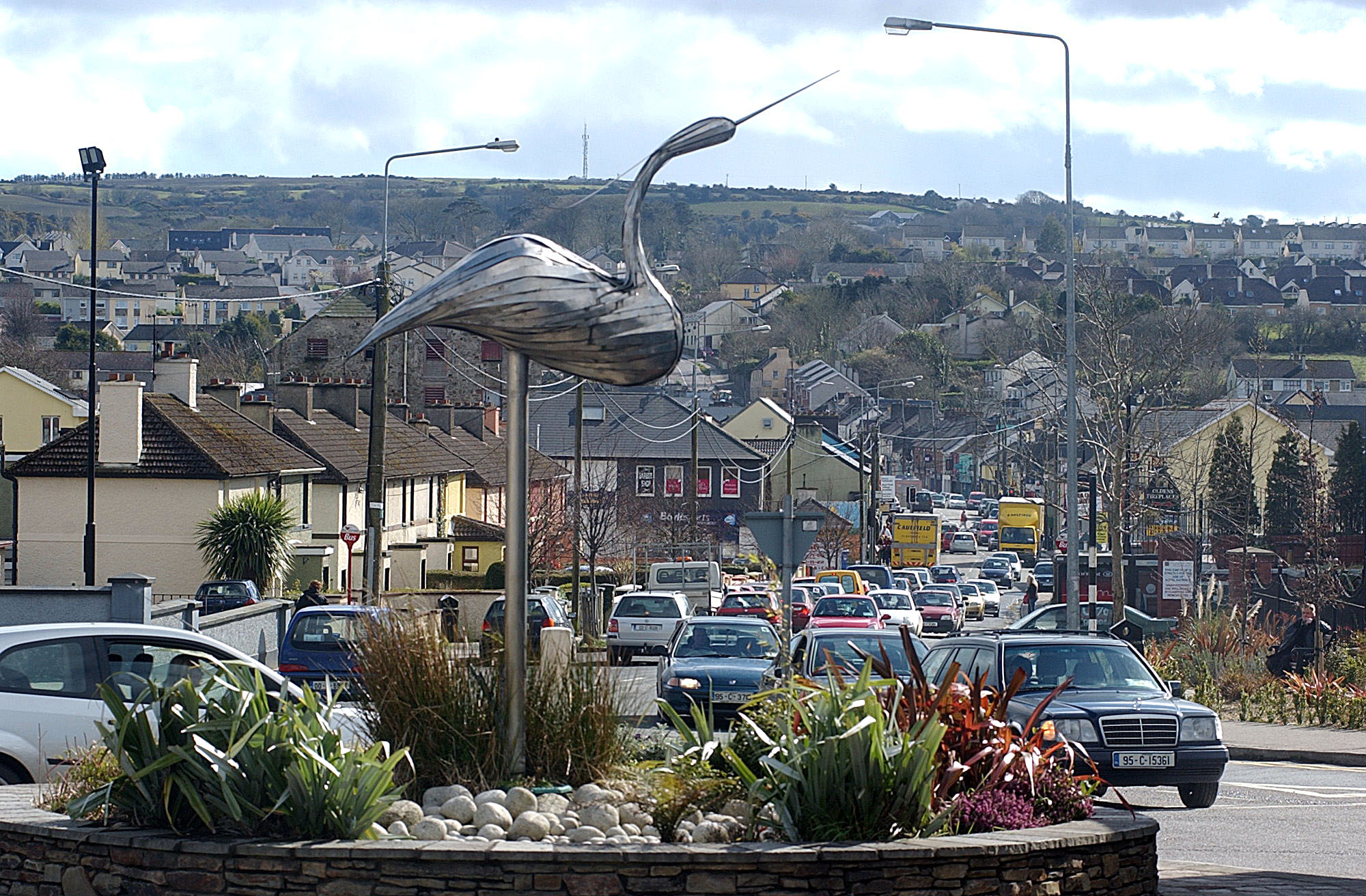 IndicatedKiln, lime · 401 yd
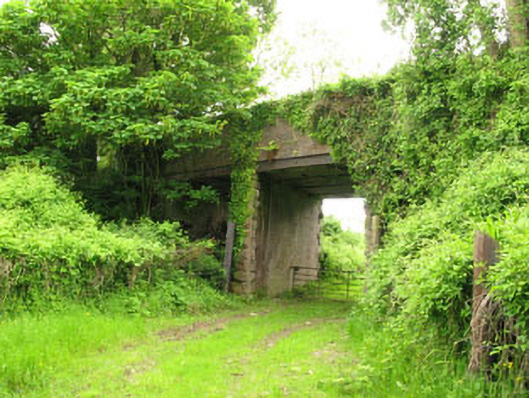 Ballyhemiken Bridgebridge · 594 yd
 Cogan's CastleCastle · 1683 yd
 Ballea CastleCastle, tower house · 1.5 mi
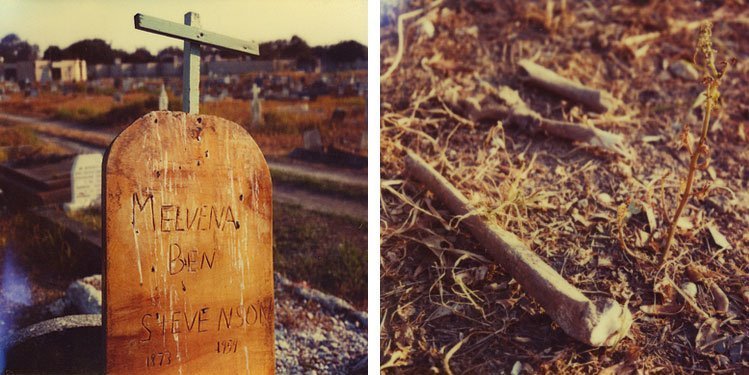 Pauper's GraveyardArchaeological place · 2.1 mi
 Be Framed Fine Art GalleryGallery · 4.2 mi
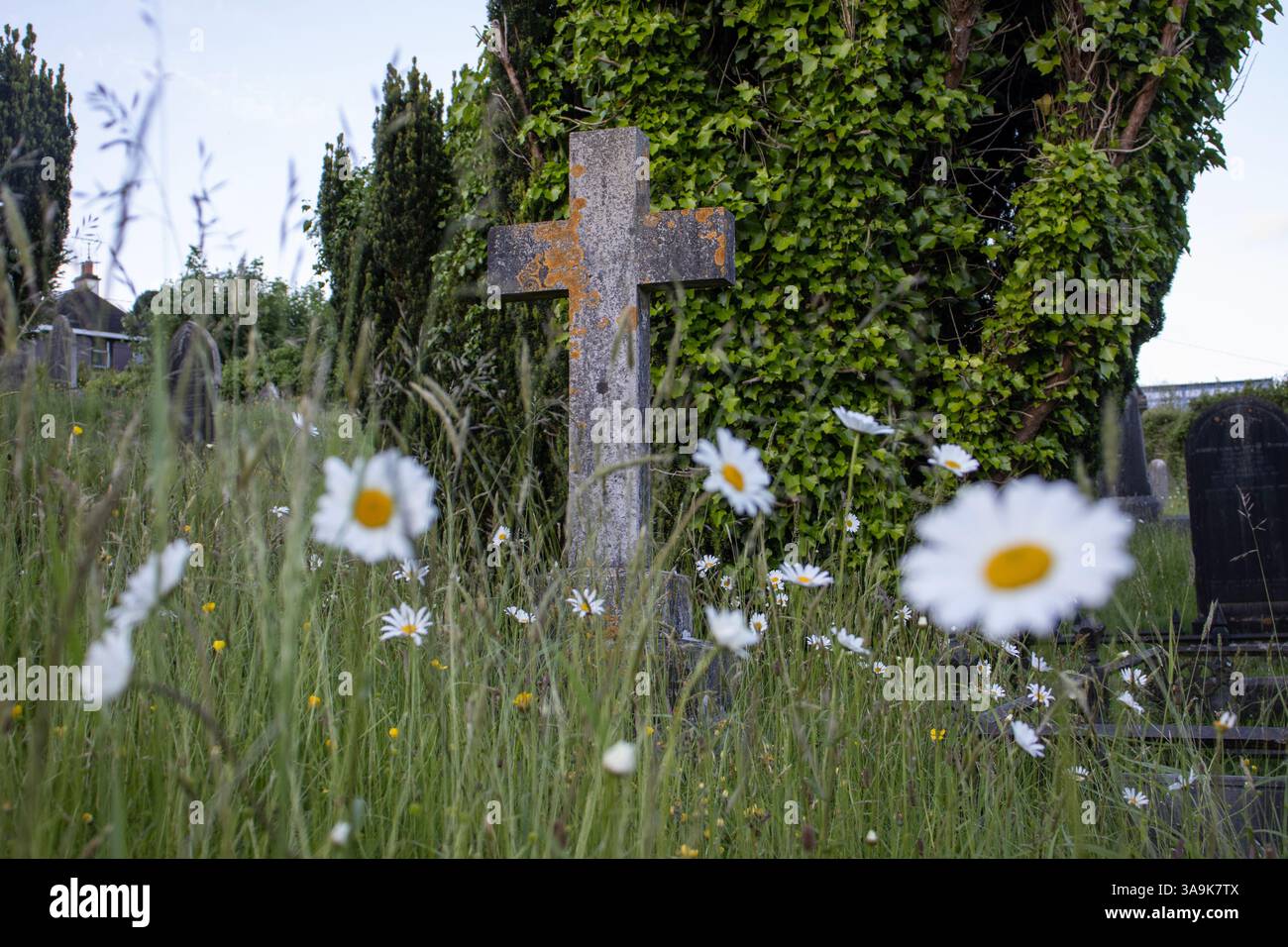 Graveyard in CurraghconwayGraveyard · 4.2 mi
 Goat IslandIslet · 4.3 mi
 Vernon Mount ViewViewpoint · 4.7 mi
 City View SummitViewpoint · 4.7 mi