What is recorded here
Banagher holds a ruined chambered cairn inside a wide stone circle on elevated pasture, where three shallow cists once released clay-sealed vessels before crumbling under human hands. The mound still keeps a complete bipartite bowl and prostrate stones marked with passage tomb art, evidence that the site repeated rather than ended its purpose. People returned across centuries to place, remove or rediscover what the earth had swallowed, turning burial into a living conversation with the dead.
One of a complex of burial and ritual sites which occupy an area 150m by 130m on a patch of uneven elevated pasture overlooked from the NW by Slieve Glah (CV026-004001-, CV026-004003-, CV026-004006-, CV026-004002-, CV026-004005-). It consists of a large stone circle within which there is a ruined chambered cairn. The stone circle, 40m E-W by 35m N-S, is represented by twelve stones, five now upright measuring 0.65m to 1.3m high, and the others prostrate. The largely grass-grown cairn is round in outline, 22m in diameter and 1m high. Surviving kerbstones indicate an original diameter of some 15m. A number of set stones near the E side of the cairn represent some form of chamber structure. One of a number of prostrate stones here is decorated with passage tomb art. In 1972 Raftery investigated the monument on behalf on the National Museum of Ireland. An irregular area c.10m sq. had been opened to a depth of 0.8m. The mound was shown to be composed of dark earth and small stones. Three ‘cavities’, presumably cists, were recorded in proximity to the centre of the mound. Two of these, each containing a ceramic vessel and thought to have been encased in clay, disintegrated upon discovery. A number of set stones near the E side of the cairn represent some form of chamber structure. One of a number of prostrate stones here is decorated with passage tomb art. In the centre of this structure was a complete, bipartite bowl, apparent (ext. D 15.1cm; max. ext. D body 15cm; D base 7.1cm; H 11.3cm; av. T of wall 1.1cm.) (NMI 1973:188). There was no evidence for a burial. The pottery vessel has been tentatively dated to 1980 to 1930/20 BC. The ‘cavities’ or cists are thought to been secondary insertions into the pre-existing cairn. (Ó Nualláin 1989, 127; Waddell 1990, 55; O’Donovan 1995, 3; Cahill and Sikora 2011, Vol 1, 86-87)
Compiled by: Patrick F. O'Donovan
Date of upload: 08 February 2013
This monument is subject to a preservation order made under the National Monuments Acts 1930 to 2014 (PO no. 8/1972).
Passage tomb; Neolithic period (c. 3500–2500 BCE). Part of a significant ritual and burial complex, indicating early communal organisation and ceremonial activity in the region.
The monument record does not grant public access. Check the route and ask the landowner before entering private land.
- What survives
- Recorded monument
Places near here
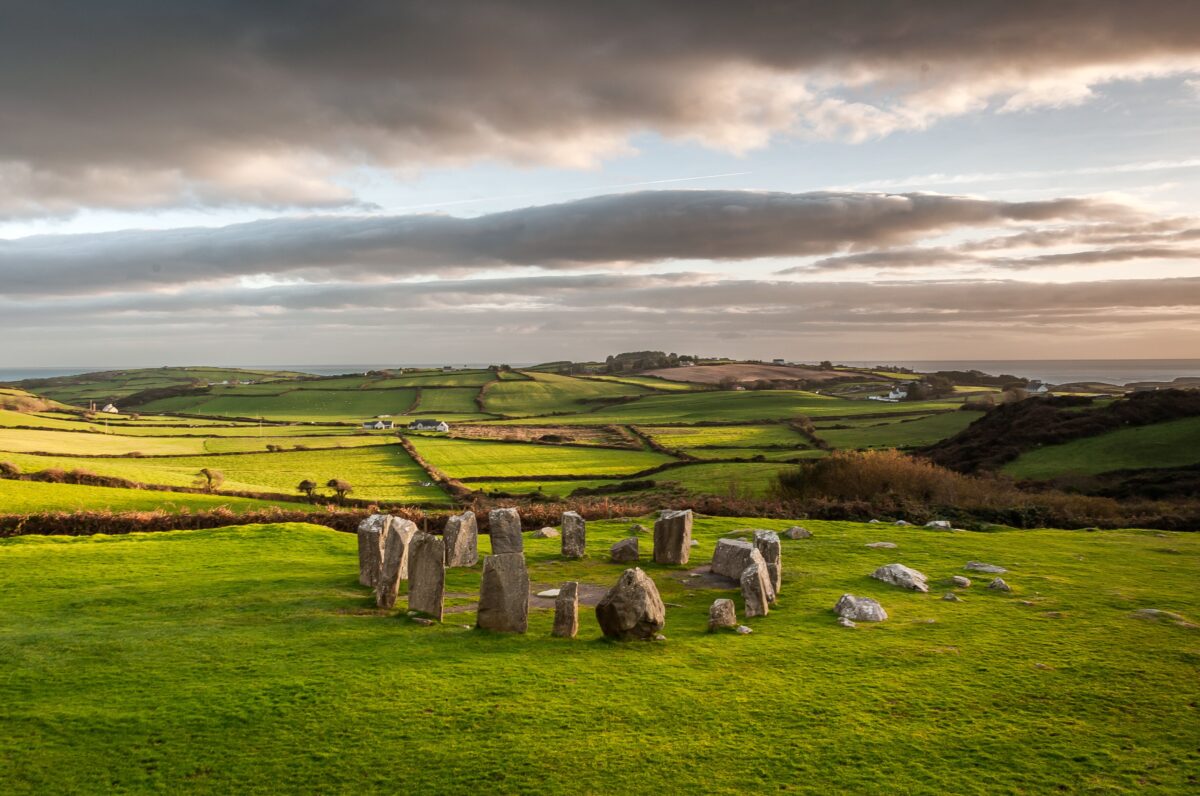 Stone CircleArchaeological place · 6 yd
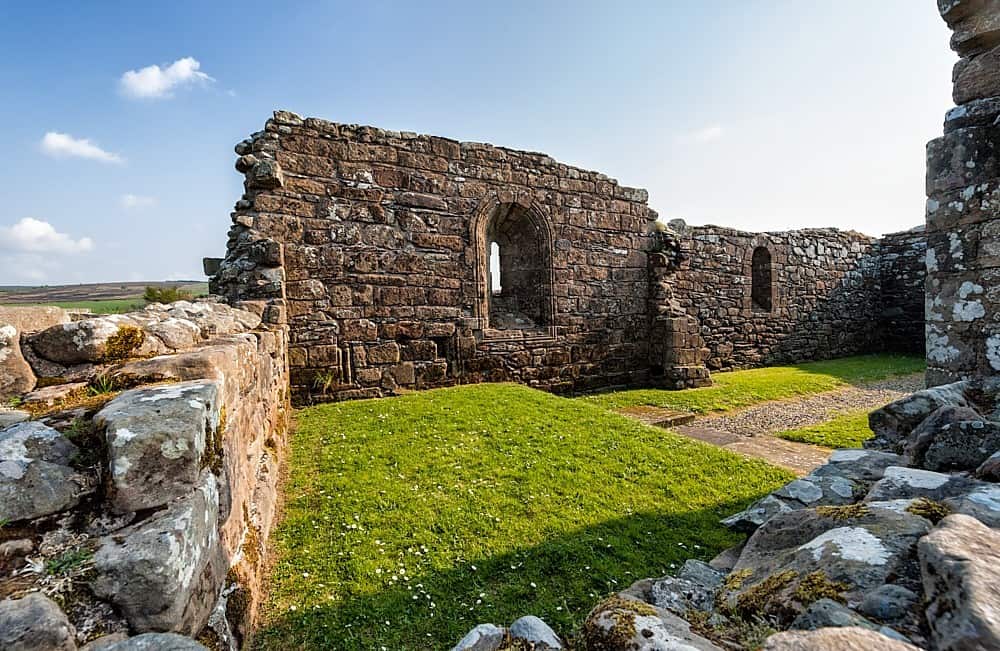 Enclosure in BanagherEnclosure · 80 yd
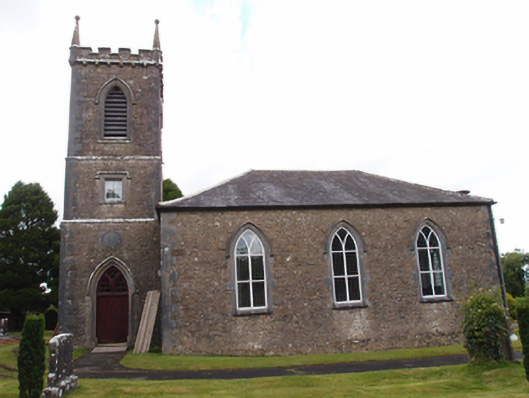 Denn Churchchurch/chapel · 1738 yd
 Dennmore or LeggandennMountain / peak · 1.2 mi
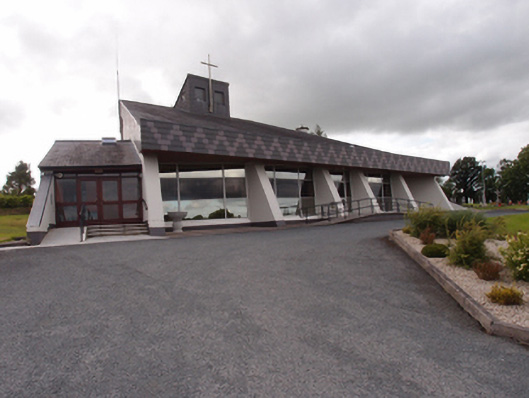 St Dymphna's Roman Catholic Churchchurch/chapel · 1.8 mi
 Aghalackan EastMountain / peak · 1.8 mi
 Derry ForestForest · 2.0 mi
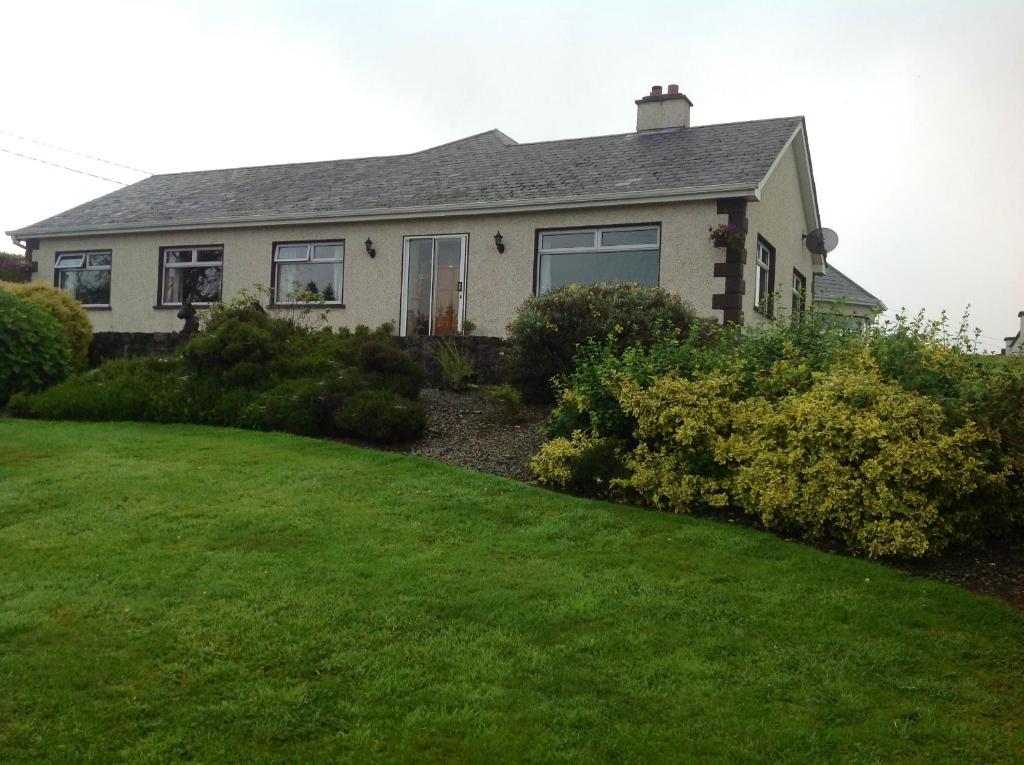 Carricknagore RockNamed rock · 2.2 mi
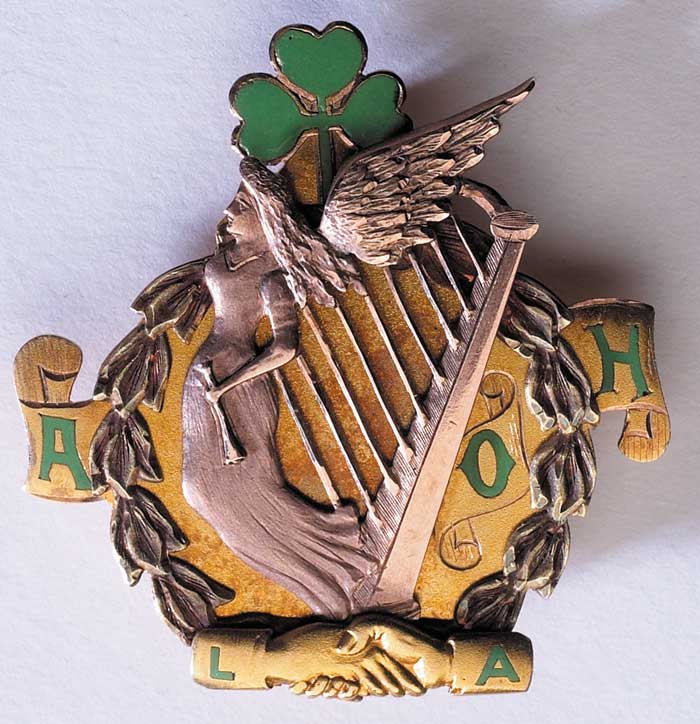 Ancient Order of Hibernians MemorialMemorial · 2.2 mi
 Ardkill ForestForest · 2.4 mi
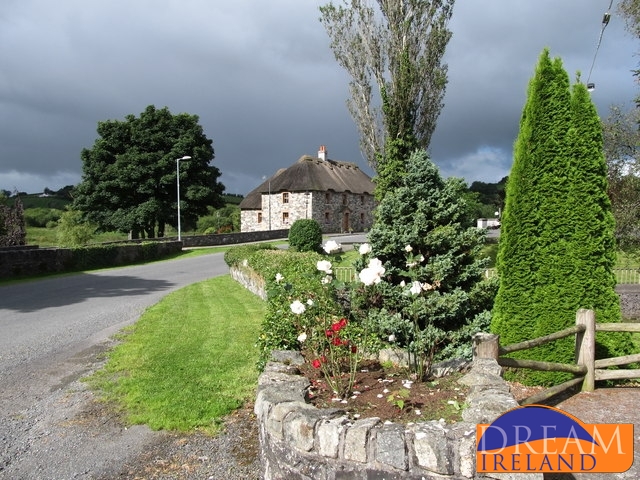 Bawn in MoynehallBawn · 3.0 mi
 Raven's RockNamed rock · 3.2 mi