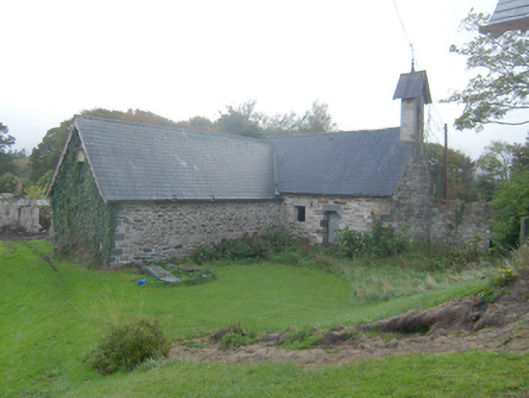
Places near here
Photo credits
- National Inventory of Architectural Heritage
- Kenneth Allen, Geograph · CC BY-SA 2.0
- Andreas F. Borchert, Wikimedia Commons · CC BY-SA 4.0
- Rossographer, Geograph · CC BY-SA 2.0
- John M, Geograph · CC BY-SA 2.0
- Patrice78500, Wikimedia Commons · CC BY-SA 3.0
- Anne Burgess, Wikimedia Commons · CC BY-SA 2.0
- dalvenjah on Flickr, Wikimedia Commons · CC BY-SA 2.0
- Vadim Manuylov, Wikimedia Commons · CC BY-SA 3.0
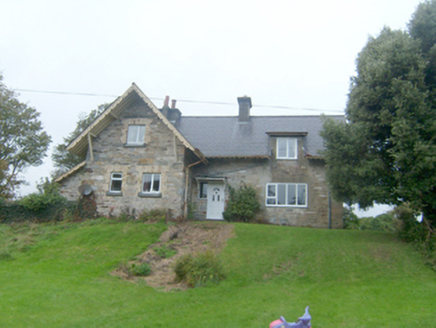 steward's house, worker's house30 yd
Explorer Tom Steward's house in Rawros is looking down its nose at everyone because it used to be for important people on the Mulroy estate. The mother-in-law who designed it probably made sure every window was exactly where she wanted it, which explains the strict layout. Ask it when tea is served and expect a very serious answer!
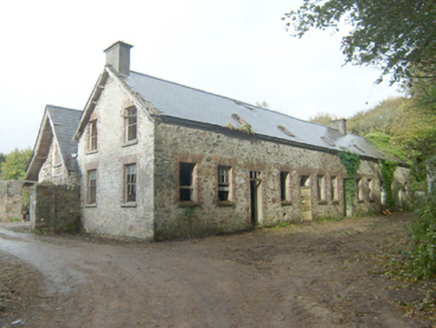 Home FarmOutbuilding, barn, worker's house · 53 yd
Explorer Tom Home Farm in Rawros would bring a bucket of cold water and a very stern look to any party it attended. It used to serve Mulroy House but now it just sits there looking derelictly magnificent, like it’s waiting for someone to buy it. Shout 'welcome back' from the road.
 Carrigart HotelHotel · 1.2 mi
Explorer Tom Carrigart Hotel on Main Street is where ghosts go to relax after haunting castles all day long. Ask for room four; if it’s cold, just say you prefer the arctic breeze there. Best visited with a curious kid and no timetable.
 Caife Na SraideCafé · 1.3 mi
Explorer Tom Caife Na Sraide in County Donegal is on the street, so expect to share your pastry with pigeons. It's charming, it's chaotic, and the coffee is probably strong enough to wake the dead. Make a wish, it's had centuries of practice at this game.
 Moross CastleCastle, tower house · 2.1 mi
Explorer Tom Moross Castle was built in 1532 and sits on a tiny rocky island connected by a causeway. By 1622, someone had slapped a thatched roof on the ruins while it lay waste, which is peak medieval DIY. Only the southwest corner survives now, but that narrow causeway makes it feel like you’re walking onto a very defensive boat.
 Mevagh High CrossCross, High cross · 2.8 mi
Explorer Tom Mevagh High Cross is a stark, undecorated slab standing in the graveyard of a ruined medieval church. It’s simple and unadorned, which makes it feel like a quiet guardian overlooking the steep drop to Mulroy Bay. No fancy patterns here, just raw stone and history.
 DowningsOfficial bathing water · 3.2 mi
Explorer Tom Downings gets to sit snug in Sheephaven Bay while Rosguill takes the Atlantic full in the face. I can almost hear the peninsula boasting about the arrangement. Donegal tourism lists windsurfing here, though the wind gets the final say on any plans for the water.
 Rosses StrandBeach / strand · 3.9 mi
Explorer Tom Rosses Strand is keeping it low-key with waves under a foot high, which is basically a nap for the sea. It’s resting its head on my shoulder right about now. Look up, the best bit is always higher than you think.
 Cnoc na SleáMountain / peak · 4.0 mi
Explorer Tom Cnoc na Sleá means 'hill of the spear', though I would leave any spear firmly in the name. The guide also calls this small Donegal hill Crocknasleigh and points out its older Irish spelling. One hill, two ways to say it, and a very pointed name.
 Cliffs at Lamb's IslandPublicly named cliff or headland · 4.2 mi
Explorer Tom Cliffs at Lamb's Island are exactly what they say: rocky drops near an island that might not even have any sheep on it. The birds probably rule the roost there. Keep your footing secure and try not to scare the gulls off their lunch spots.
 Monterey Pine4.2 mi
Explorer Tom Monterey Pine in County Donegal was saved by a hero nobody remembers, who probably just shouted 'don't cut that' while eating an apple. It’s standing there looking very Californian in the middle of Irish drizzle, which is quite rude really. Stand on the spot and imagine the gossip it's heard.
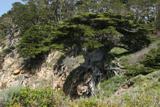 Monterey Cypress4.2 mi
Explorer Tom Monterey Cypress in County Donegal would have told Saint Patrick to go away because he was blocking the light and making too much noise about snakes. It’s got that old-tree wisdom where it knows better than to get involved in religious debates. Visit, then text me what you think. I'll pretend to read it.
More historic places in County Donegal · All of County Donegal

What do you know about this place?Tap to add a comment or ask a question