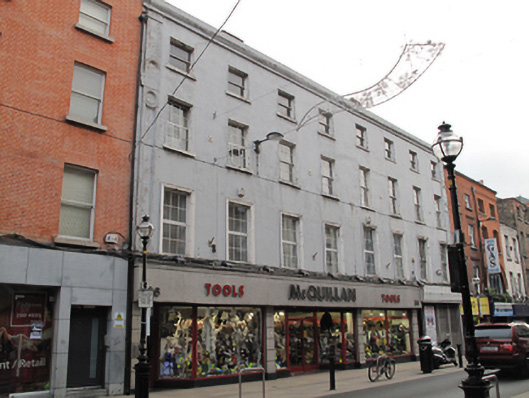
What is recorded here
Terraced group of four two-bay four-storey former houses, built c.1770 as two pairs and amalgamated c.1870 for commercial use, southernmost two bays now constituting separate property, with replacement shopfronts to ground floor one spanning six northern bays. Southernmost building has original M-profile slate roof,…
Read the whole record
From the Buildings of Ireland (National Inventory of Architectural Heritage) record 50010432
Places near here
Photo credits
- Oisín Ó Doinn, Wikimedia Commons · CC BY-SA 4.0
- Maker not stated on source page, www.tripadvisor.ca
- Maker not stated on source page, www.pinterest.com
- Maker not stated on source page, nl.pinterest.com
- NateBergin, Wikimedia Commons · CC BY 4.0
- Taken by Fanghong, Wikimedia Commons · CC BY-SA 3.0
- Maker not stated on source page, www.dreamstime.com
- Agence Rol, Wikimedia Commons · Public domain
- Windmemories, Wikimedia Commons · CC BY-SA 4.0
- Maker not stated on source page, commons.wikimedia.org
- Maker not stated on source page, www.tripadvisor.com
- Maker not stated on source page, ca.pinterest.com
 Religious houseReligious house, Cistercian monks · 87 yd
Explorer Tom St Mary’s Abbey in Dublin would handle a nosey neighbour by simply closing its windows and pretending it doesn't hear…
 St. Marys ChurchChurch · 123 yd
Explorer Tom St. Marys Church in County Dublin is one of the earliest galleried churches in Ireland, dating to the late 17th…
 Graveyard in Unknown TownlandGraveyard · 345 yd
Explorer Tom Graveyard in Dublin was uncovered at King Street in 1999, revealing 430 disarticulated human remains. This is part of…
 Church in Unknown TownlandChurch · 461 yd
Explorer Tom St Olave's, named after a Norwegian king, is now completely gone from 41 Fishamble Street. Burials were found nearby…
 Cathedral584 yd
Explorer Tom Cathedral. Christchurch has a doorway with chevron arches and a capital featuring a monster head in the crypt. It is…
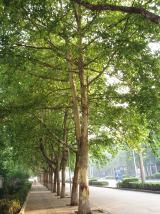 London Plane603 yd
Explorer Tom London Plane in Dublin thinks tourists from the city are just noisy children who don't know how to appreciate shade.…
 TombTomb, effigial (present location) · 618 yd
Explorer Tom Tomb in County Dublin has a hidden message in its stones about a man in full plate armour and his wife in pleated…
 Burning of the Custom HouseArmed conflict · 1111 yd
Explorer Tom The Burning of the Custom House holds a fake world record for the most dramatic way to lose your paperwork. It still…
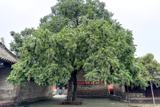 Chinese Toon1182 yd
Explorer Tom Chinese Toon in County Dublin is sick of being asked if it actually tastes like toon or just looks the part. It’s…
 CairnCairn, unclassified · 1350 yd
Explorer Tom Cairn. Known as Carn Uí Dúnchada, this cairn was possibly erected against Viking pressure in the ninth century. Using a…
 Church in Donnybrook East,donnybrook WestChurch · 1350 yd
Explorer Tom Church in Donnybrook East is mentioned in a deed from 1748, which is quite specific for a ghost church. It was the…
 CastleCastle, motte · 1.8 mi
Explorer Tom Castle in County Dublin is a motte with a long list of names it’s forgotten, sitting high above the Tolka like a proud…
More historic places in County Dublin · All of County Dublin

What do you know about this place?Tap to add a comment or ask a question