What is recorded here
Five metres of drystone wall and heavy lintels still stand inside the Lissavane East rath, forming an L-shaped chamber that someone cut deliberately rather than inherit from the earth. Cooke recorded a removed lintel at the second passage in 1906, suggesting people kept changing its entrance instead of abandoning the strange underground room. The collapsed stones at the east end now choke the view, but the shape remains clear enough to imagine hands pulling stone, adjusting light and making a hidden place that could be closed again.
In a rath (KE057-049----), to the W of the centre of the interior. A subcircular depression (4m E-W; 3m N-S), representing an area of possible collapse, has a small circular opening on its E side. An L-shaped underground passage is visible through the opening. The E-W section of the passage (L 5m; Wth c. 1.1m; H 1.5m) is constructed of drystone walling and is roofed with large stone lintels. The collapsed lintels at the E end of the passage restrict visibility towards the E end where a second passage (L c. 3m), on a N-S axis, extends to the N. A small opening into the second passage, which is filled with debris, occurs at the N end. Cooke (1906, 6-7), noted that the height of the passage increased and that one of the lintels had been removed from the S end of the second passage to create an entrance. This may be where the lintels are disturbed at the E end of the first passage. Cooke's ground plan of the Man-made underground passage shows that the second passage projects further S (ibid., Pl. 2).
Compiled by: Elizabeth Byrne, Ursula Egan and Sheila Ronan, Archaeological Survey Unit, University College, Cork.
Date of upload: 31 January 2011
The monument record does not grant public access. Check the route and ask the landowner before entering private land.
- What survives
- Recorded monument
Places near here
 Milleen FortFairy fort / earthen ringfort · 1537 yd
 The Kerry Creamery ExperienceHeritage attraction · 1698 yd
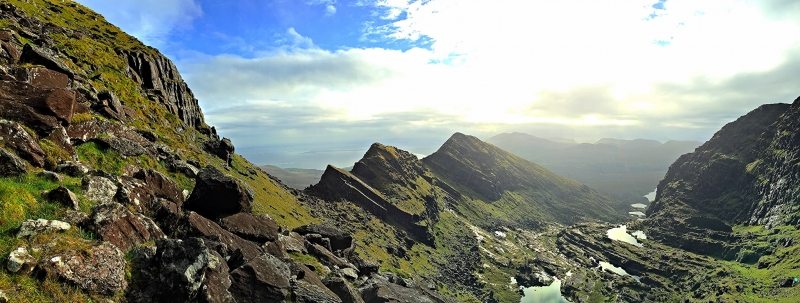 LisnacruttaFairy fort / earthen ringfort · 1733 yd
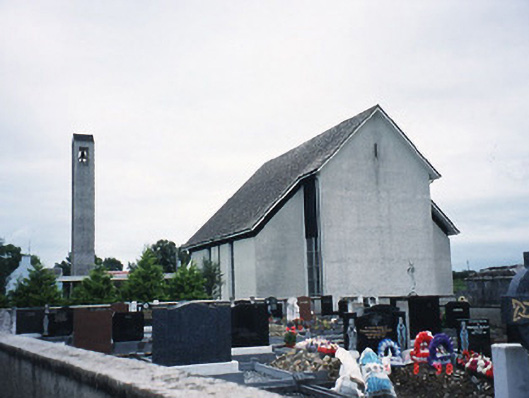 Catholic Church of the Immaculate Conceptionchurch/chapel · 1.0 mi
 Culleeny Br.Bridge · 1.9 mi
 Pallis Castle (Site of)Castle, tower house · 3.0 mi
 Ballymalis CastleCastle · 3.2 mi
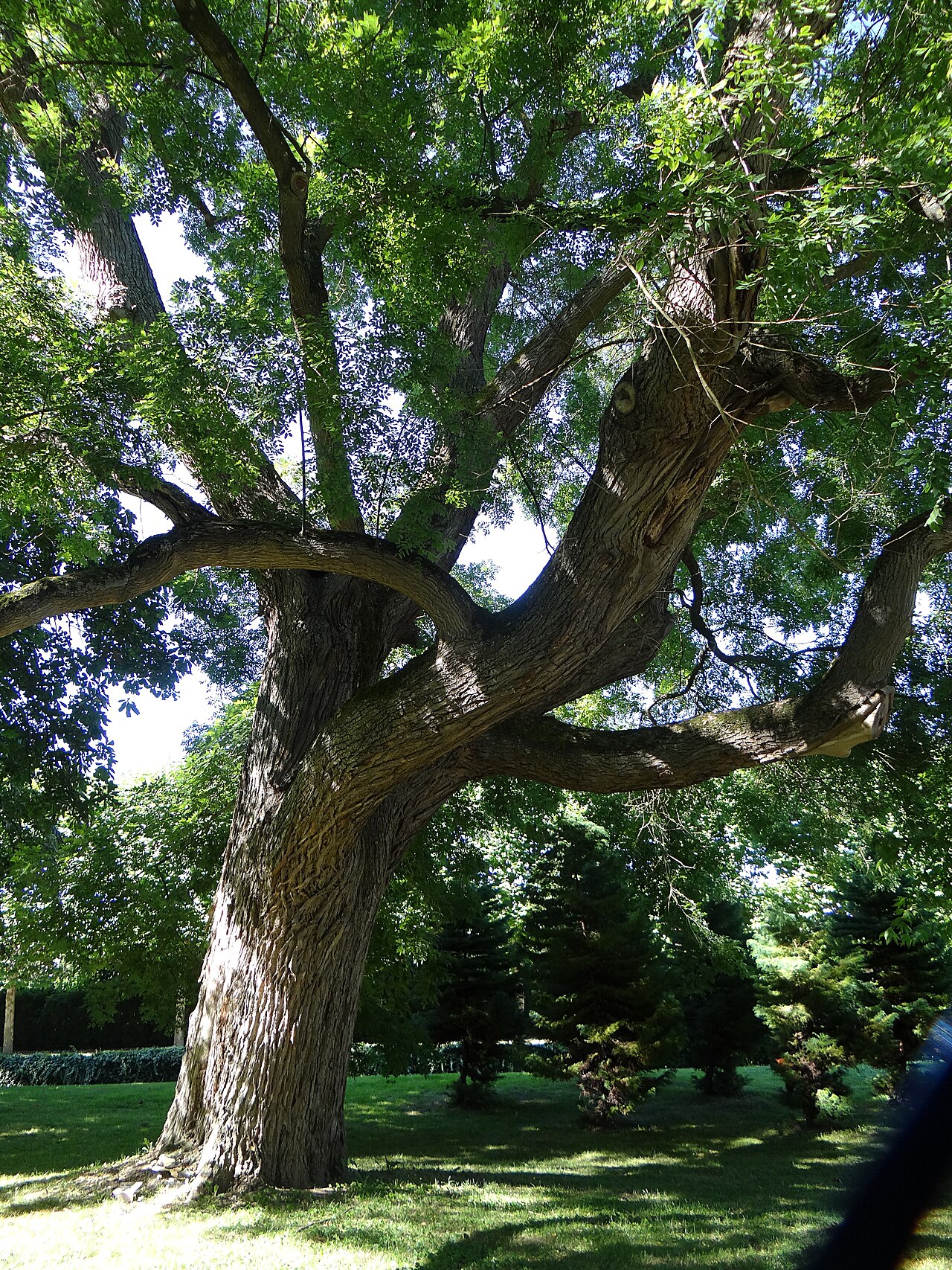 Japanese pagoda treeJapanese pagoda tree · 4.2 mi
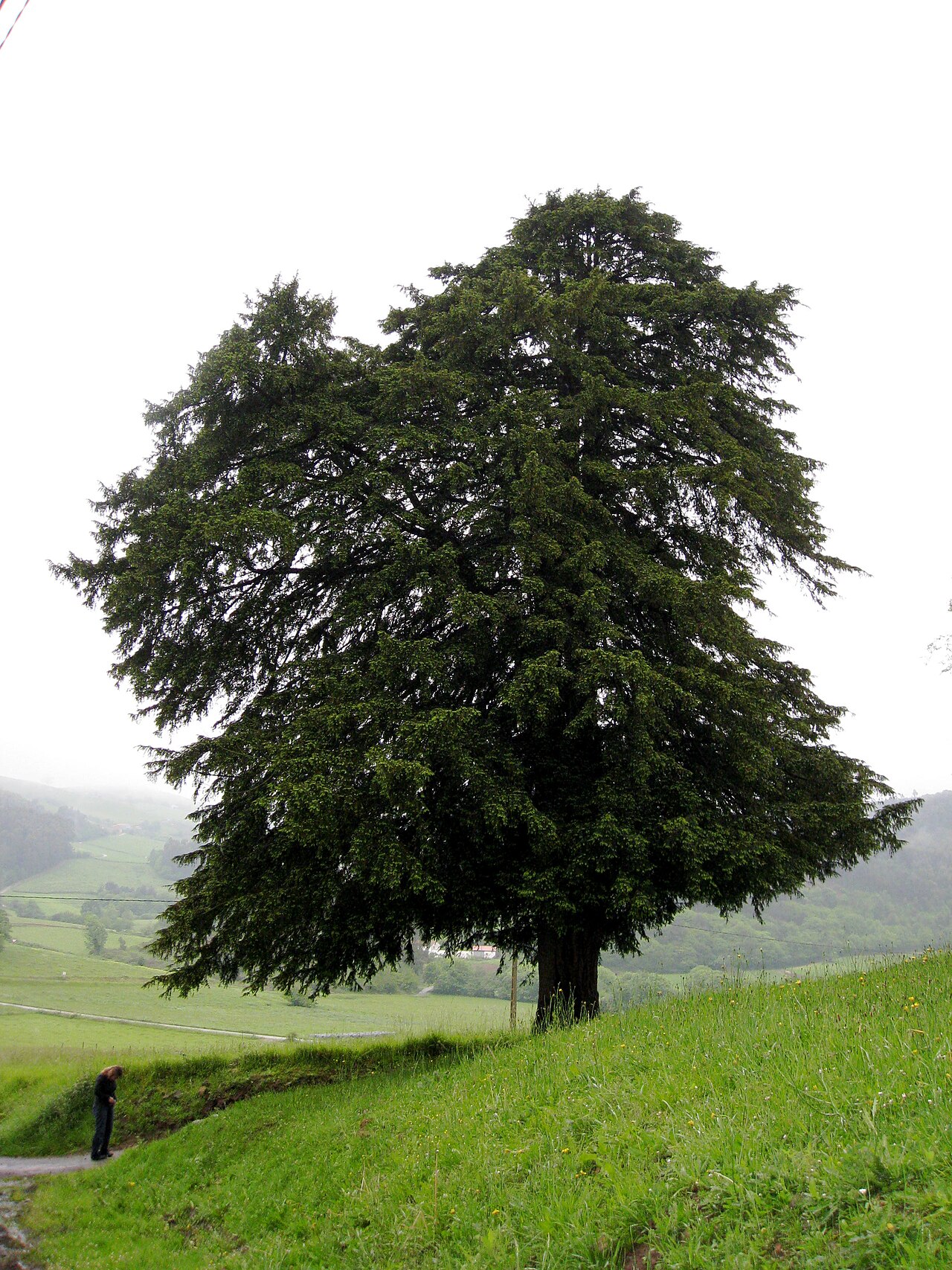 European YewEuropean Yew · 4.2 mi
 Dunloe Ogham StonesHeritage attraction · 4.3 mi
 Clash IslandIslet · 5.0 mi
 Rabbit or Brown IslandIslet · 6.0 mi