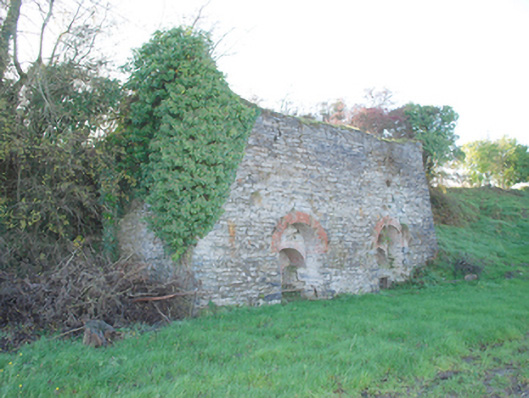
What is recorded here
Freestanding two-bay lime kiln on rectangular-plan, erected c. 1860. Tapers outwards towards base. Now out of use. Constructed of coursed rubble stone masonry. Round-headed opening to front (south), the former oven aperture, having red brick voussoirs to arch and with series of segmental-headed brick arches to…
Read the whole record
From the Buildings of Ireland (National Inventory of Architectural Heritage) record 40907125
Places near here
Photo credits
- National Inventory of Architectural Heritage
- Maker not stated on source page, ru.wikipedia.org
- Maker not stated on source page, en.wikipedia.org
- Maker not stated on source page, commons.wikimedia.org
- Maker not stated on source page, bialczynski.pl
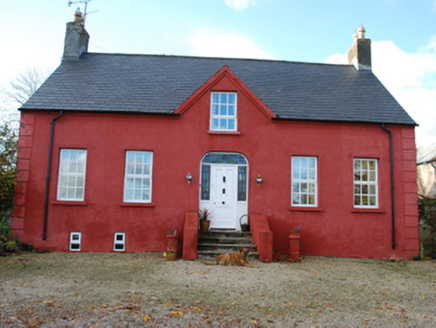 Hall Green FarmHouse · 438 yd
Explorer Tom Hall Green Farm has a local who claims he invented the very concept of a gabled dormer, patting himself on the back…
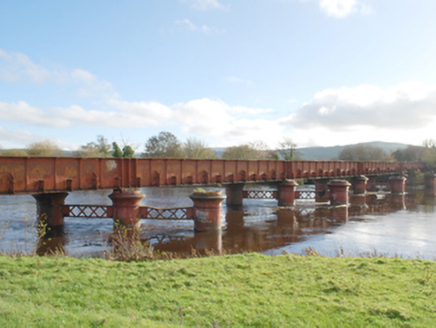 Foyle BridgeBridge · 618 yd
Explorer Tom Foyle Bridge in Corkan Isle would be the dramatic uncle at any wedding, telling everyone about its railway days. It…
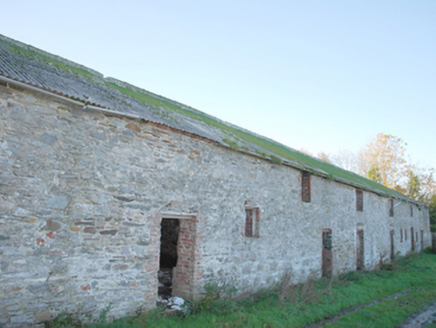 Clonleigh HouseWalled garden, outbuilding · 1115 yd
Explorer Tom Clonleigh House in Gortgranagh is basically a walled garden for secrets that haven’t been told since the coach horses…
 LisieuxHouse · 1395 yd
Explorer Tom Lisieux has a timber panelled door with bolection mouldings that looks like it’s trying to hug you. I bet someone in…
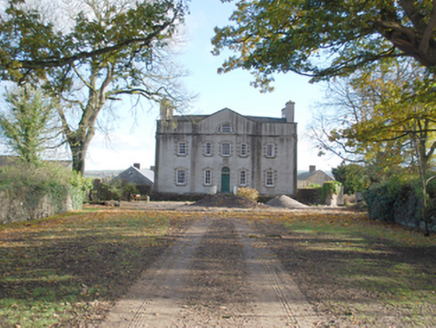 Port HallCountry house · 1504 yd
Explorer Tom Port Hall has a ghost who is far too lazy to haunt it properly and just naps in the hallway instead. It’s the finest…
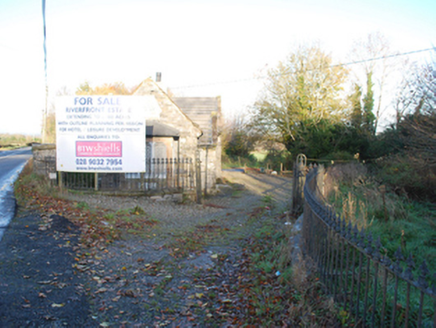 demesne walls/gates/railings1525 yd
Explorer Tom Demesne walls in Gortgranagh used to have two carved stone lions standing guard around 1863! They got moved all the way…
 Porthall HouseCountry house · 1707 yd
Explorer Tom Porthall House overlooks the River Foyle from its own grounds; its mid-nineteenth-century front may hide pieces of an…
 bridge1.0 mi
Explorer Tom Bridge in Boyagh has one brick arch beneath the road. The record dates it to around 1870 but says older stone may be…
 Ecclesiastical enclosure in Edenmore (clonleigh North Ed)Ecclesiastical enclosure · 1.6 mi
Explorer Tom Ecclesiastical enclosure in Edenmore sits on a low hill where a sixth-century church used to stand. You can still see…
 Church & graveyard: magherynelec, kylpatrick in LeckpatrickChurch & Graveyard: Magherynelec, Kylpatrick · 1.7 mi
Explorer Tom Church & graveyard: magherynelec, Kylpatrick in Leckpatrick is hiding a treasure that is definitely just a biscuit tin…
 Mapped graveyardGraveyard · 1.8 mi
Explorer Tom The mapped graveyard in County Tyrone would say to the place that replaced it: 'You’re lucky I’m not still here…
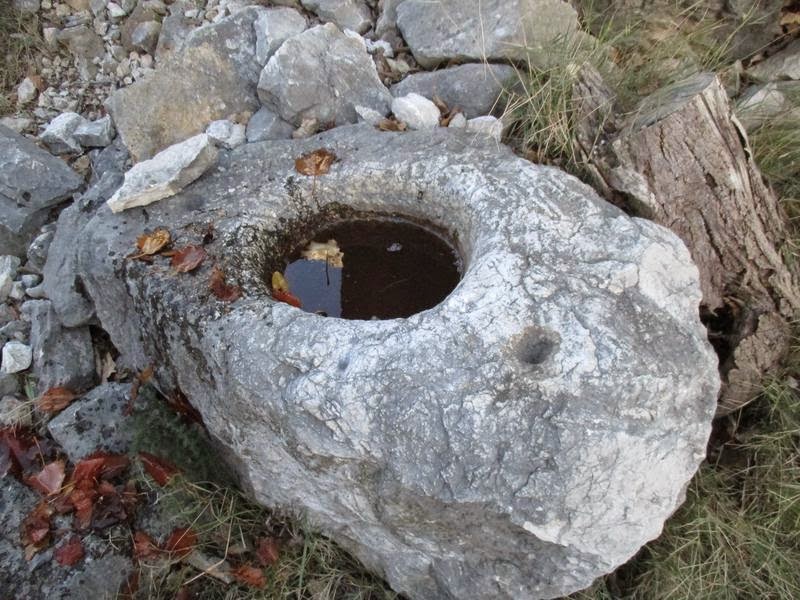 Bullaun stone in CarrickmoreBullaun stone · 1.8 mi
Explorer Tom Bullaun stone in Carrickmore is officially a recorded monument, but the description is just a polite note about where…
More historic places in County Donegal · All of County Donegal

What do you know about this place?Tap to add a comment or ask a question