DDiscover AloneMapAbout

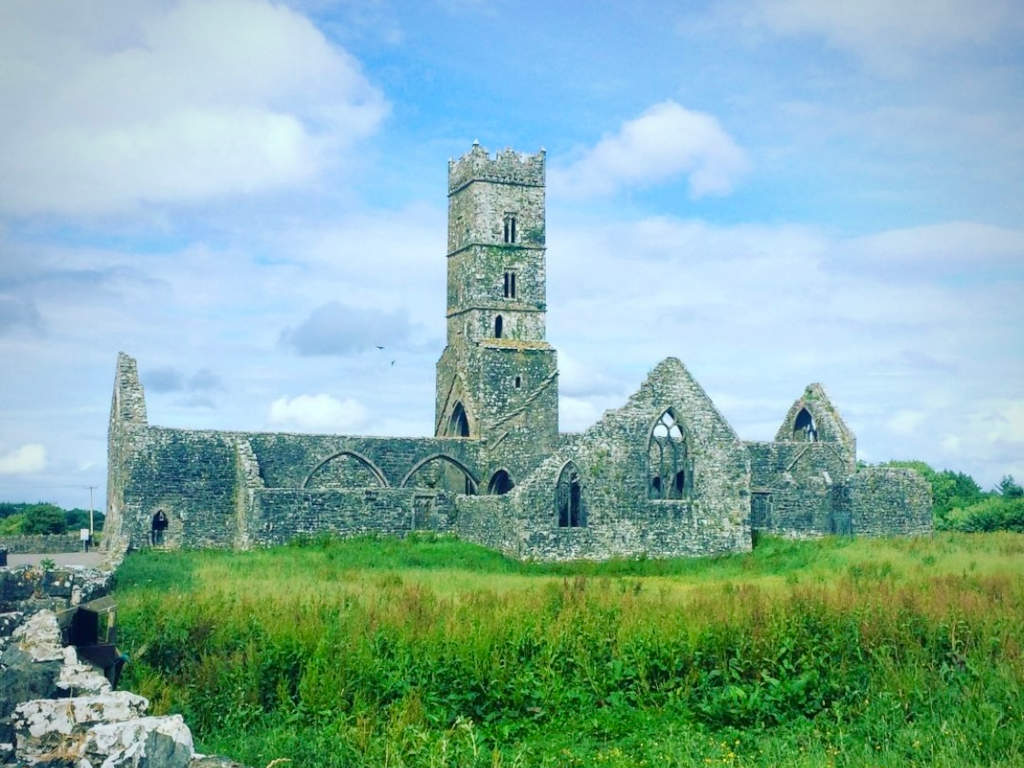
Kilconnell Abbey

Religious house, Franciscan friars
Kilconnell Abbey
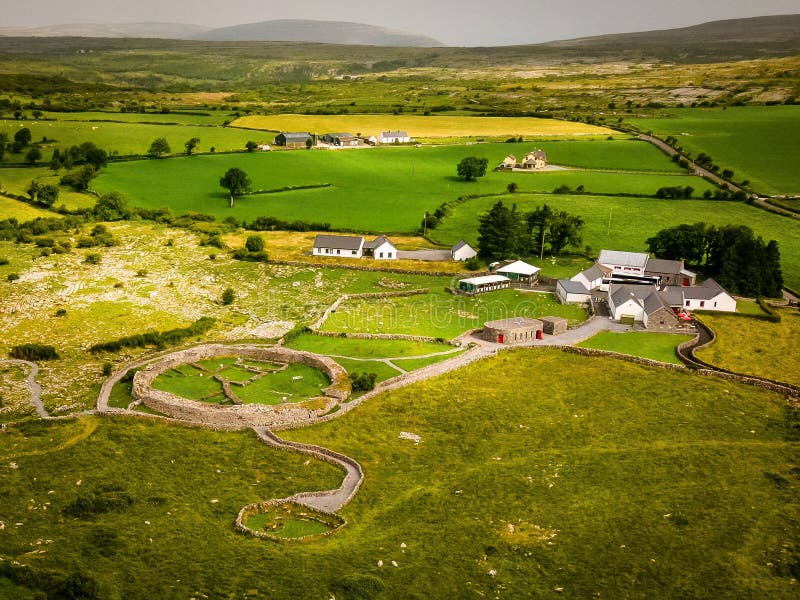
Representative picture, exact place not confirmed
Photo: Maker not stated on source page, en.wikipedia.org · Report the wrong picture

The monument record does not grant public access. Check the route and ask the landowner before entering private land.

What do you know about this place?Tap to add a comment or ask a question

What you write will be public.

What is recorded here

In undulating grassland to the N of Kilconnell village. A restored Nat. Mon., this Franciscan friary appears to have been founded in 1353 by William O'Kelly, probably on or close to the site of St Conall's early monastery (Gwynn and Hadcock 1970, 251, 389; Harbison 1975, 94). According to Killanin and Duignan (1967,…

Read the whole record
In undulating grassland to the N of Kilconnell village. A restored Nat. Mon., this Franciscan friary appears to have been founded in 1353 by William O'Kelly, probably on or close to the site of St Conall's early monastery (Gwynn and Hadcock 1970, 251, 389; Harbison 1975, 94). According to Killanin and Duignan (1967, 316), it was 'reconstructed' in 1414 and it adopted the Observantine reform in 1464. An inquisition taken on the 20th of February in the 14th year of the reign of James 1 (1617), found that ‘that the site of this abbey contained three acres, on which were built the friary containing a chapel called Towhell Donnellane's chapel, a chamber called the Council house, a library, hall, store house, four chambers with chimnies, and twenty eight small chambers called dormitories, and sundry houses and buildings necessary for the farm; also four gardens, three orchards and a cemetery and sixty ash trees, a mill and a water course, and four acres of arable land adjacent to the house’ (OS Letters, 603). The friars remained in residence until 1698 when they were forced to distribute or sell their goods to local families (Conlan 2007, 14). They then went into hiding locally and set up residence in a bog c. 750m to the N at a place that became known as 'Moin na mbrathar' (OS Letters, 602) (see GA076-136----). The well-preserved remains of the friary comprise a 15th-century nave and chancel church (NW-SE; L 37.5m, Wth 6.3m), along with part of the cloister and domestic ranges to the N. The S aisle and S transept, which open off the nave and chancel respectively, are probably late 15th-century additions as is the centrally placed three-storey tower. The small O'Donellan chapel which opens off the E wall of the transept is a still later addition, as is the so-called 'sacristy' on the S side of the chancel at its E end (Mooney 1956, 167). The church is entered by a fine W doorway and is lit by a number of 15th and 16th-century traceried windows (Leask 1960b, 99). There are also several elaborately carved canopied tomb-niches in the church (ibid., 167-8; Bigger 1901, 157ff.) as well as two piscinas (Bigger ibid., 148-9). Only the E and S sides of the cloister survive along with ruinous remains of the E range. The latter comprised a two-storey building with a separate 'Guardian's House' at the SE end and a 'granary' at the NE end. A field system (GA086-001004-) surrounds the monument and three probable holy wells (GA086-001001-, GA086-001002-, GA086-001003-) lie nearby. A horizontal mill (GA086-105----) may also have been associated. II - North Galway'. Updated by: Paul Walsh Date of revised upload: 9 September 2014 The monument was taken into Ownership under the National Monuments Acts 1930 to 2014 - National Monument 47.

From the National Monuments Service (Archaeological Survey of Ireland) record GA086-001

Places near here

Photo credits
  • Maker not stated on source page, commons.wikimedia.org
  • Maker not stated on source page, www.dreamstime.com
  • Maker not stated on source page, www.galwaytourism.ie
  • Maker not stated on source page, ca.pinterest.com
  • Maker not stated on source page, allthatsinteresting.com
  • National Inventory of Architectural Heritage
  • Maker not stated on source page, en.wikipedia.org
  • Maker not stated on source page, www.irishexaminer.com
Mapped cemeteryCemetery · 178 yd

Explorer Tom This mapped cemetery holds a fake world record for the most silent arguments between weeds and gravestones. It’s…

Bullaun stone in Glebe (kilconnell Ed)Bullaun stone · 179 yd

Explorer Tom Bullaun stone in Glebe used to hang out near the graveyard but has moved house now. It's got an off-centre bowl that…

Graveyard in Glebe (kilconnell Ed)Graveyard · 302 yd

Explorer Tom Graveyard in Glebe has an imaginary fan club of very serious local cats. They attend every service and judge your…
Church in Glebe (kilconnell Ed)Church · 303 yd

Explorer Tom Church in Glebe would win the county fair for best dressed in stone, even though it’s currently invisible to the…

Kilconnell CemeteryCemetery · 1043 yd

Explorer Tom Kilconnell Cemetery had a prophecy that it would turn into gold, but it just turned into mud instead. Still better than…
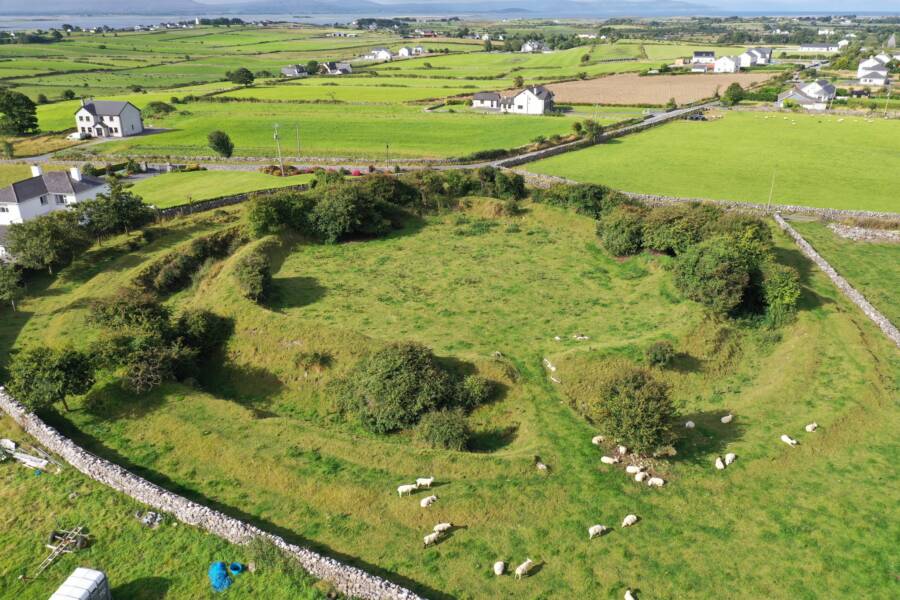
Fairy fort / ringfort in Ellagh (kilconnell By.)Fairy fort / ringfort · 1070 yd

Explorer Tom Ringfort in Ellagh is well-preserved and looking smug about it. There’s a tall tale about a tunnel to the pub, but it’s…
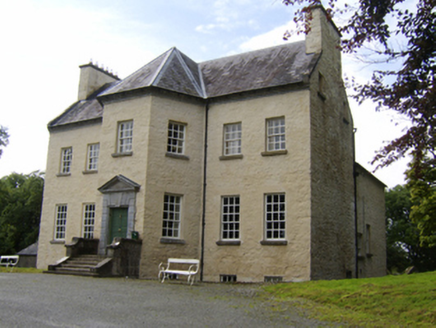
Ballinderry HouseCountry house · 1267 yd

Explorer Tom Ballinderry House would teach history by showing off its Georgian chimneystacks and telling everyone how symmetrical it…

Fairy fort / ringfort in LissardFairy fort / ringfort · 1526 yd

Explorer Tom Fairy fort / ringfort in Lissard is now home to a ruined farmhouse, which means the ghosts are definitely complaining…

Fairy fort / ringfort in Loughaunbrean (kilconnell By.)Fairy fort / ringfort · 1549 yd

Explorer Tom Fairy fort / ringfort in Loughaunbrean is holding a fake world record for being the most confusing circle with an…
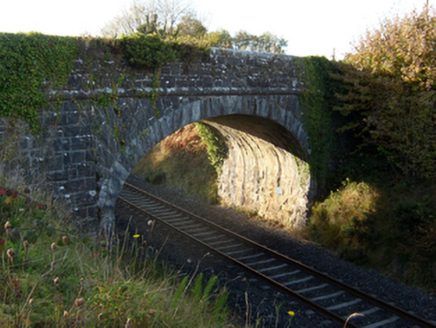
bridge1599 yd

Explorer Tom The bridge in Ballyglass is where the matchmaker worked back in 1851. She’d hide behind the symmetrical stone to watch…

Fairy fort / earthen ringfort in LissardFairy fort / earthen ringfort · 1671 yd

Explorer Tom This Lissard rath would be the uncle at a wedding who spills wine on everyone and acts cool about it. It’s…
Fairy fort / ringfort in CorraneenaFairy fort / ringfort · 1705 yd

Explorer Tom Fairy fort / ringfort in Corraneena is near the west end of a ridge and defined by an inner scarp. Quarrying has eaten…

More historic places in County Galway · All of County Galway

Add to this placeAdd a picture Add a detailed tip Add a story

Explore the map1,095,414 places to discover

Next place · or swipeMapped cemetery