
More pictures of this place


What is recorded here
One word in the official record changes the whole story. The building is generally retained as built, but the original Ballinasloe limestone cladding, which was not the architect's first choice, proved unsuitable and has been replaced with metal panels.
Detached multiple-bay four-storey building over basement, built 1979. Square-based truncated pyramid raised over street level with exposed basement to east side. Flat roof with aluminium rail supporting monitoring equipment; no gutters and rainwater discharges into continuous shallow limestone-lined trough. Walling is replacement panelled metal cladding throughout. Square-headed window openings set flush with cladding having aluminium-framed top-hung casement windows, with angled corner windows. Recessed balconies to second and fourth floors with aluminium rails and recessed glazed balcony doors. Square-headed entrance opening recessed beneath cantilevered canopy, having heavy iron link chains suspended at either side. Aluminium doors with glazed side panels accessed by floating limestone platform and fourteen limestone steps up from street level. Site raised above street with landscaped perimeter bounded by raking rubble stone-faced perimeter wall, accessed by double-leaf steel gate.
The building is generally retained as built, but the original Ballinasloe limestone cladding, which was not the architect's first choice, proved unsuitable and has been replaced with metal panels.
The Irish Meteorological Office in Glasnevin was built in 1979 to designs by celebrated Irish architect Liam McCormick (1916-1996), who is best known for his ecclesiastical buildings in north-western Ireland. It is a striking building in the form of a truncated pyramid, characteristically designed by McCormick to respond to the particular requirements of the client. The sloped elevations incorporate numerous windows and balconies designed to give a good view of the sky from inside the building, while the flat roof supports the necessary monitoring equipment. There are some familiar McCormick devices, including the porch chains and the use of landscaped pools to collect rainwater, eschewing the need for gutters. The building is generally retained as built, but the original Ballinasloe limestone cladding, which was not the architect's first choice, proved unsuitable and has been replaced with metal panels. The original material proposed for cladding was imported blue slate, but concerns were raised about the use of imported material. The Irish Meteorological Service, Ireland's weather forecasting service, started in December 1936. Its first job was to take over weather forecasting in Ireland from the British Meteorological Office, the transfer taking place on 1st April 1937. The building stands on the site of Marlborough House, a large five-bay three-storey eighteenth-century house used as a teacher training college and later (until 1972) as a detention centre for boys.
The story behind this place
The building is generally retained as built, but the original Ballinasloe limestone cladding, which was not the architect's first choice, proved unsuitable and has been replaced with metal panels.
This does not grant access. Most recorded buildings are privately owned; view them only from public ground unless the owner allows entry.
Places near here
 Settlement cluster in Unknown TownlandSettlement cluster · 30 yd
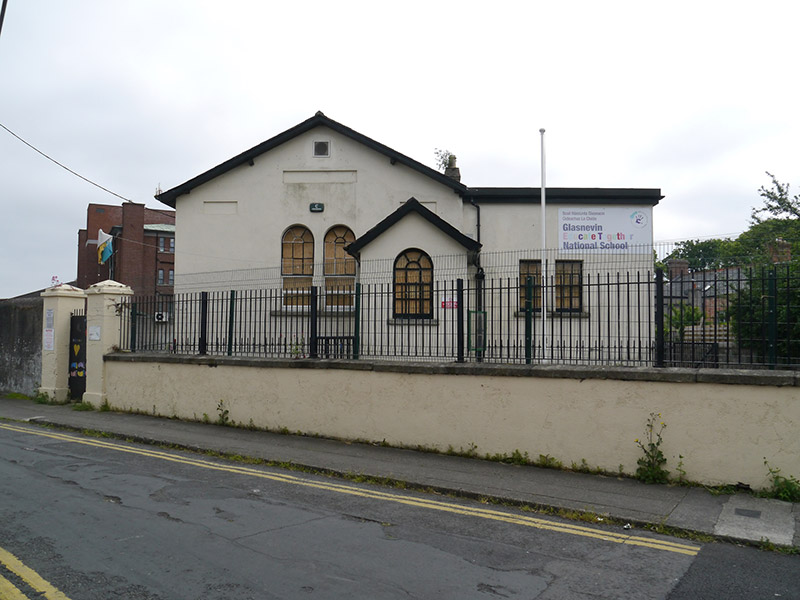 Glasnevin Educate Together National Schoolschool · 93 yd
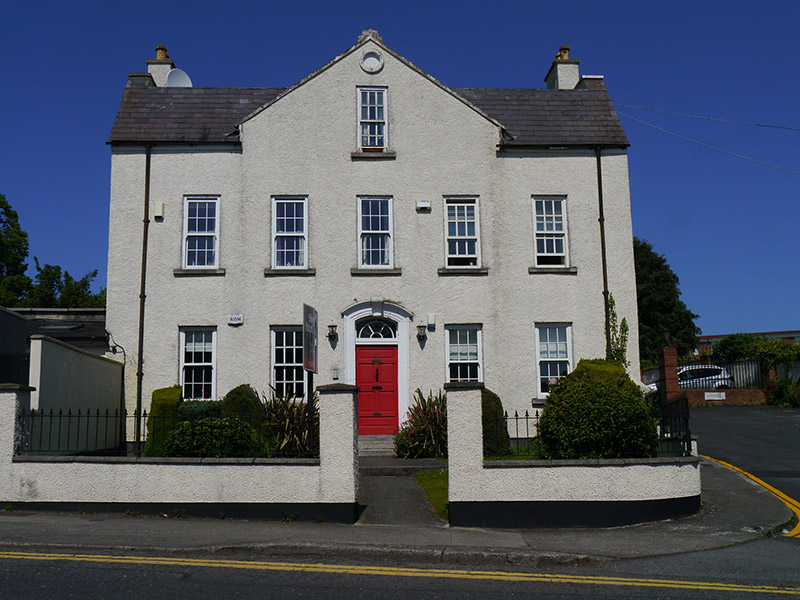 Beechmount Househouse · 94 yd
 Burial ground in Unknown TownlandBurial ground · 122 yd
 Graveyard in Unknown TownlandGraveyard · 157 yd
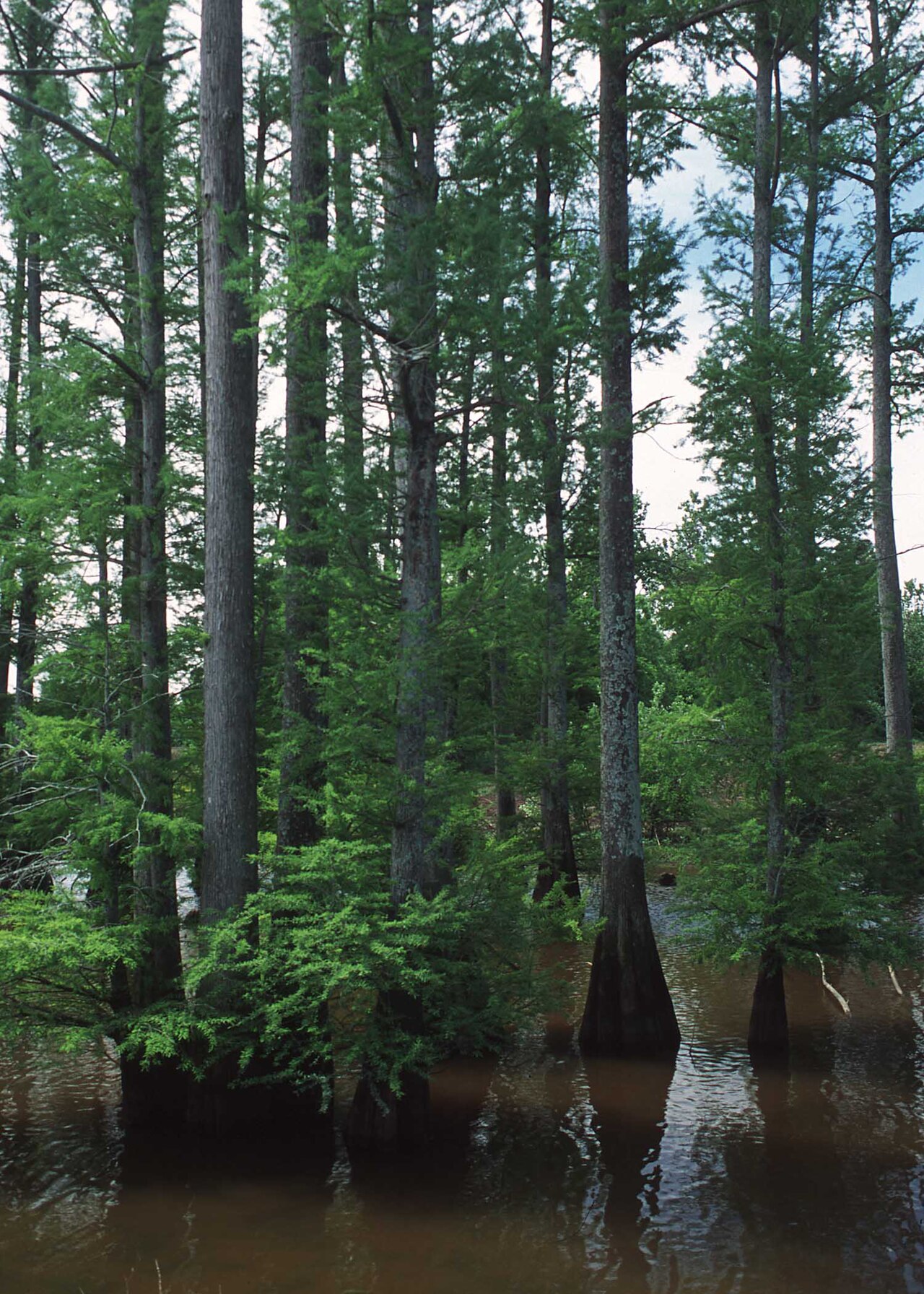 BaldcypressBaldcypress · 339 yd
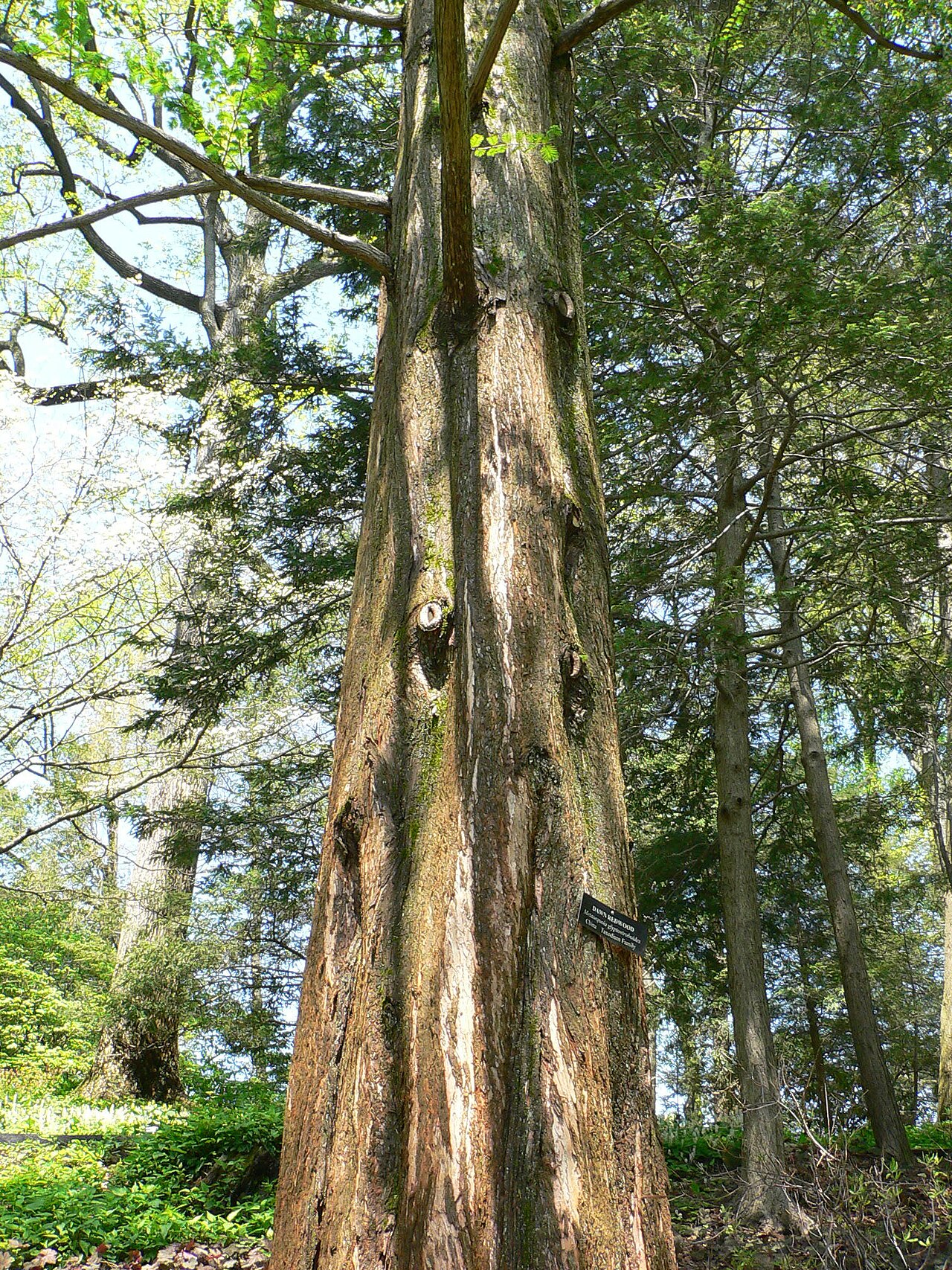 Dawn RedwoodDawn Redwood · 358 yd
 Glasnevin VillageVisitor information · 490 yd
 National Botanic GardensHeritage attraction · 520 yd
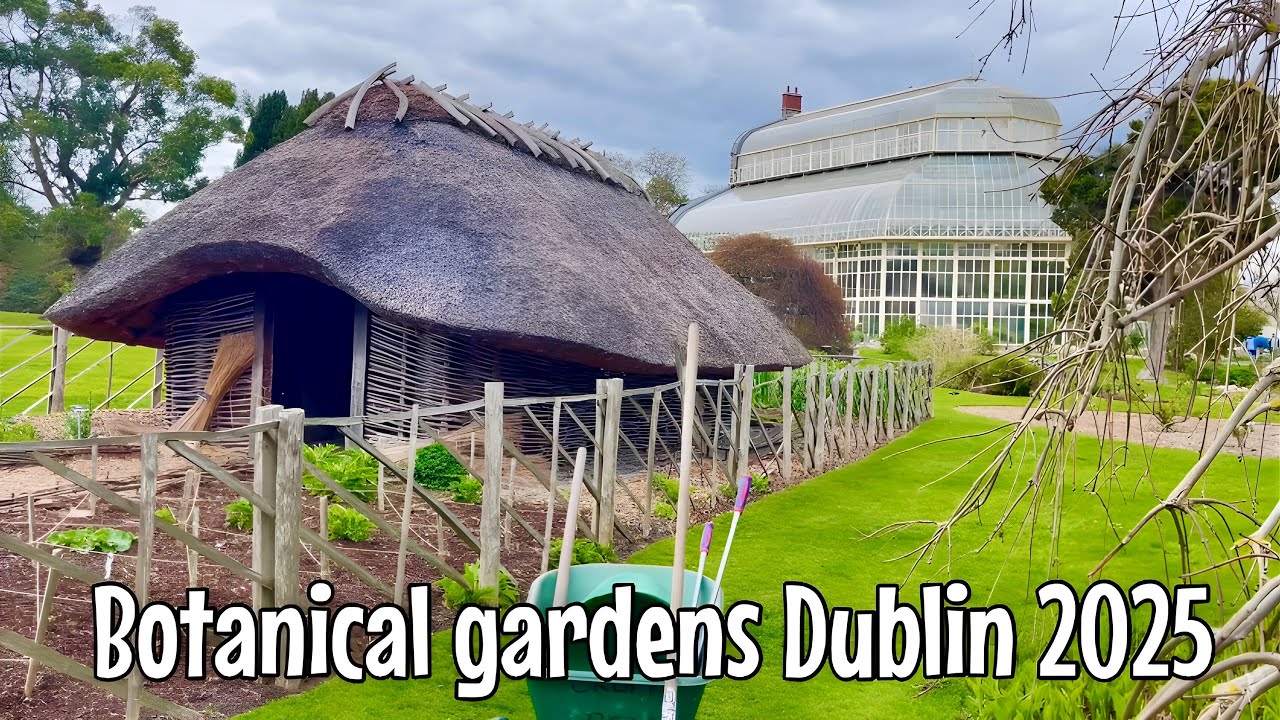
 Reconstructed viking houseHeritage attraction · 528 yd
 SHVisitor information · 601 yd
 Republican plotMemorial · 861 yd
Other information
Photo: Smirkybec · CC BY 4.0