
Places near here
Photo credits
- National Inventory of Architectural Heritage
- Willow, Wikimedia Commons · CC BY 2.5
- Niallio77, Wikimedia Commons · CC BY-SA 3.0
- Enda O Flaherty, Geograph · CC BY-SA 2.0
- Oliver Gargan, Wikimedia Commons · CC BY-SA 4.0
- Maelor at English Wikipedia, Wikimedia Commons · Public domain
- Oliver Dixon, Geograph · CC BY-SA 2.0
- Jonathan Wilkins, Geograph · CC BY-SA 2.0
- Wikimedia Commons contributor · Public domain
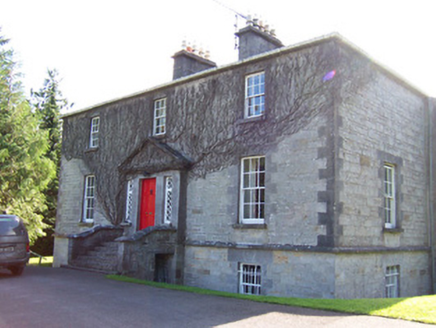 Toberfeckin HouseRectory/glebe/vicarage/curate's house · 1237 yd
Explorer Tom Toberfeckin House in Barnabrack has a prophecy saying it will float away on Tuesday, which never happened. Its diamond panes are just waiting for someone to break them. Keep your eyes peeled for the pediment, mate.
 The HallCommunity centre · 1506 yd
Explorer Tom The Hall in Tanrego West thinks it’s rivalling the Ritz because of its corrugated iron charm, which I’d call rustic at best. It hosts community events where the wifi is better than the building’s structural integrity. Why this place matters is that it’s proving you don’t need gold leaf to be a legend.
 European ash1690 yd
Explorer Tom European ash in County Sligo handles nosey neighbours by simply dropping a leaf directly on their heads every single time they look up. It’s a small act of defiance, but effective. Tell the kids it's a castle. Close enough.
 CulleenamoreBeach / strand · 3.4 mi
Explorer Tom Cullenamore would survive a zombie apocalypse purely because nobody knows where it is, so the undead just get lost in the sand. It's got that quiet confidence about it, like it's waiting for someone to finally notice its brilliance. Wave at the cows, they're the real locals.
 The GlenWood · 3.7 mi
Explorer Tom The Glen in County Sligo is where the seagulls hold their weekly board meetings about how to annoy the tourists most effectively. They really think they run this place, so you might as well let them. Mind the nettles, they're the real guards here.
 Maeve's CairnArchaeological place · 4.1 mi
Explorer Tom Maeve's Cairn is a huge stone mound on Knocknarea, and I promise not to offer my usual "let's climb the top" advice. It is about fifty-five metres wide and ten metres high, probably built around 3000 BC. Archaeologists think it may cover a passage tomb, though its inside has not been opened for a neat answer. The name links it to Queen Maeve of story, who arrived long after the builders in the telling. I would invent a dramatic burial scene, but the date and the protected stones deserve better. Reach the summit by a lawful path, then stay off the cairn itself and leave every stone in place; damage from visitors is already serious. Look at its breadth against the Sligo skyline. You do not need to stand on a monument to feel its scale.
 Miosgan MevaPassage tomb · 4.1 mi
Explorer Tom Miosgan Meva is the big brother on Knocknarea, sitting there like a giant stone bread loaf that nobody wants to eat. Its plan for retirement is to sit exactly where it is and let tourists trip over themselves trying to take photos. It’s got a flat top that looks like it was made for sunbathing by ancient kings. Bring the dog, it'll have opinions.
 KnocknareaMountain / peak · 4.1 mi
Explorer Tom Knocknarea wears a stone crown, and I am not asking to borrow it. Knocknarea rises 327 metres over the Coolera Peninsula and carries a huge stone cairn on its head like a crown it refuses to take off. The summit heap is about 55 metres across and ten metres high, yet archaeologists have not excavated it. It is traditionally called Queen Maeve's Cairn, though the queen belongs to myth and nobody can name a person buried inside. The structure looks like a Neolithic passage tomb, roughly of the era when other ancient monuments spread through this Sligo landscape. I have grand claims about knowing Maeve; the cairn can outlast every one of them. From up here you can look towards Carrowmore and the Atlantic, connecting places that may have mattered to the same communities. The hill is a public walking destination with a climb and exposed weather; follow the marked route and do not climb on or move stones from the protected cairn. Maeve has enough stories already without your boots rearranging her roof.
Queen Medb's Cairn: KnocknareaLegend location · 4.2 miExplorer Tom Queen Medb's Cairn: Knocknarea sits high on the mountain, and legend gives it a queen for an occupant. It is an enormous cairn. Whoever first tied Medb to it clearly had no interest in a modest ending to her story.
 Knocknarea trailWalking route · 4.2 mi
Explorer Tom Knocknarea trail is dreaming of winning the lotto to buy a nice pair of boots for its steep sections. The path is loose and eroded, like it’s been tripping over itself all morning. Bring your own legend, I've run out of excuses for why the ground is so slippery up there.
 Strandhill BeachBeach / strand · 4.2 mi
Explorer Tom Strandhill Beach is currently in a massive feud with the rain, claiming it’s the real king of the coast. The dunes are just standing there judging both sides like tired grandparents. Tell the next person you meet it's haunted. It might be.
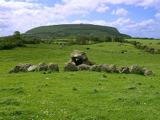 Carrowmore Visitors CentreVisitor information · 5.4 mi
Explorer Tom Carrowmore is not one tidy tomb beside a ticket desk. Sligo has scattered thirty surviving monuments across this ancient ground, and about twenty-five others have gone since 1800. If I offer to count them for you, check my arithmetic before the fourth stone. Listoghil, the restored central cairn, has a different presence from the smaller surrounding tombs, which often lack the long roofed passages you may expect from Newgrange. Gabriel Beranger drew some of these monuments in 1779; his pictures now help show stones later damaged or lost. That is a reason to treat today's view as something entrusted to us, not a pile of handy souvenirs. The visitor centre grew from an old cottage on land bought for public access, and its published season runs from spring into autumn; check current hours and tour arrangements before going. Walk among the tombs slowly, with Knocknarea on the horizon reminding you this was a whole landscape, not one isolated trick.
More archaeology and monuments in County Sligo · All of County Sligo

What do you know about this place?Tap to add a comment or ask a question