What is recorded here
Indicated, Castletown (kiltartan By.) was a large rectangular bawn beside an Anglo-Norman castle in County Galway, built with thick limestone walls and a gateway flanked by two-storey towers. Gun loops in those towers watched the northern and southern bawn walls, while an internal drystone line may have marked an older defensive boundary around the castle ward. Much of the structure has been robbed or demolished, yet the surviving south and west walls still outline a place designed to control entry, resist assault and endure long after its builders departed.
Associated with the Anglo-Norman castle (GA123-031----) at its SE corner, this large roughly rectangular bawn (E-W c. 75m; N-S c. 60m) is defined by a stout wall (max. Wth 2.3m) which has a base-batter. Like the castle, it is constructed of heavily mortared randomly coursed undressed limestone blocks. Though reasonably well-preserved along the S and W sides, it has been heavily robbed and/or largely demolished elsewhere. A large pile of rubble at the SW corner may well mark the site of an angle tower (see Fahey 1906, 4). An ope in the external wall-face, immediately to the NE of the castle, that is surmounted by three sets of corbels may be the remains of a latrine or sallyport. Access to the interior is via a much-ruined gateway in the W wall. This originally comprised an arched entrance (Wth 2.7m) flanked by two massive D-shaped towers (11.8m E-W; 5.7m N-S) that were at least two storeys high. The walls of the towers are 2m wide and each one has a gun loop, set in a deep embrasure, that covered the bawn wall to the N and S. The S wall of the bawn kinks southwards roughly at its mid-point. This is mirrored internally by a drystone wall running from the S tower of the gateway to the NW corner of the castle, suggesting that it may have been built on the line of an earlier wall. The latter wall may have functioned as a defensive wall around the inner ward of the castle. Traces of another internal wall, running roughly NE-SW, are evident in the NW section of the bawn.
Compiled by: Olive Alcock
Date of upload: 1 September 2016
Anglo-Norman settlers likely built Castletown in the 12th or 13th century as part of their expansion into Ireland. It is important as an example of early medieval defensive architecture associated with Norman territorial control in the region.
The monument record does not grant public access. Check the route and ask the landowner before entering private land.
- What survives
- Recorded monument
Places near here
 Kiltartan Castle (in ruins)Castle, Anglo-Norman masonry castle · 47 yd
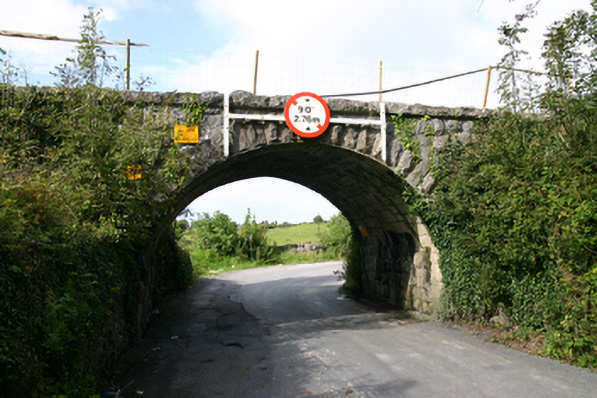 bridgebridge · 167 yd
 Man-made underground passage in Castletown (kiltartan By.)Man-made underground passage · 460 yd
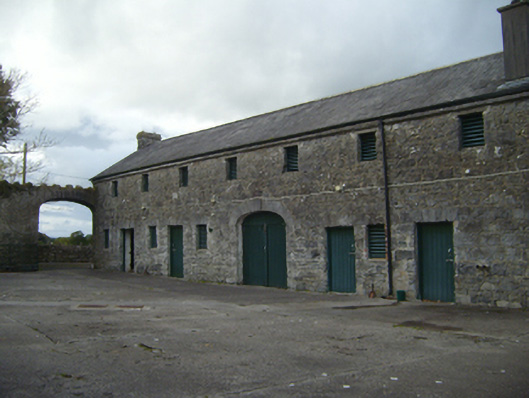 Ballynamantan Houseoutbuilding · 837 yd
 EnclosureEnclosure, large enclosure · 1.1 mi
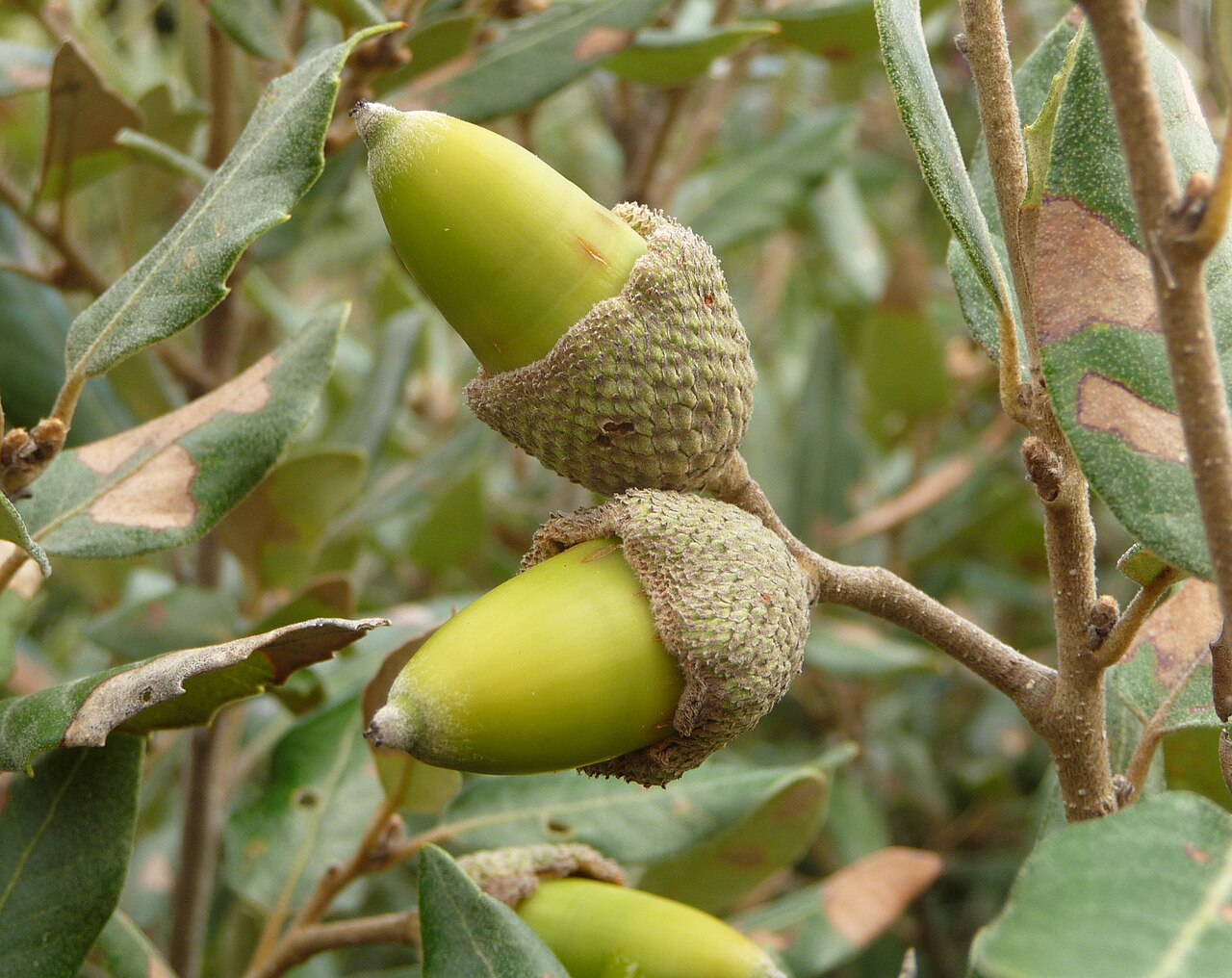 Holm OakHolm Oak · 1.1 mi
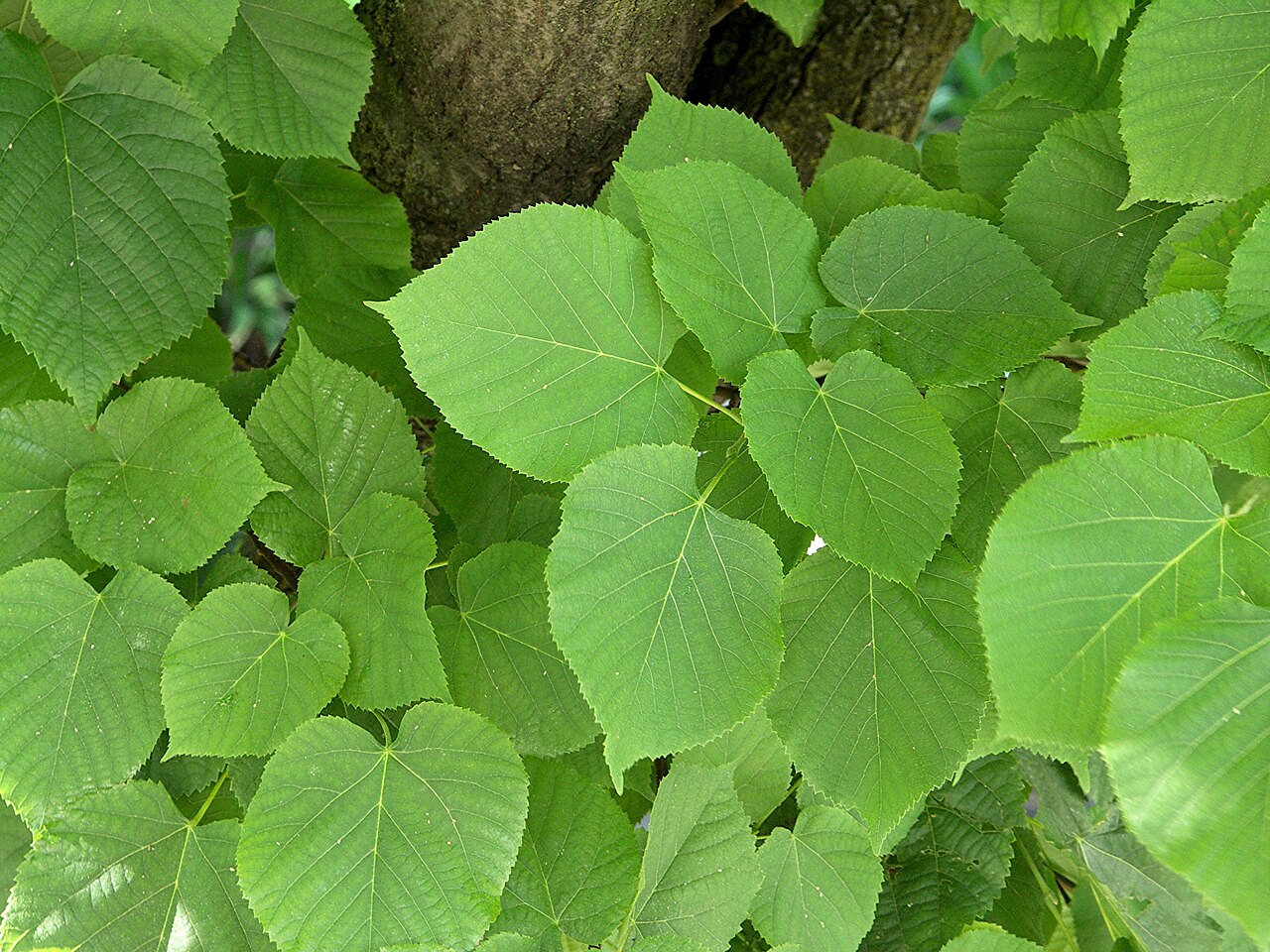 Common LimeCommon Lime · 1.1 mi
 Ballylee CastleCastle, tower house · 1.6 mi
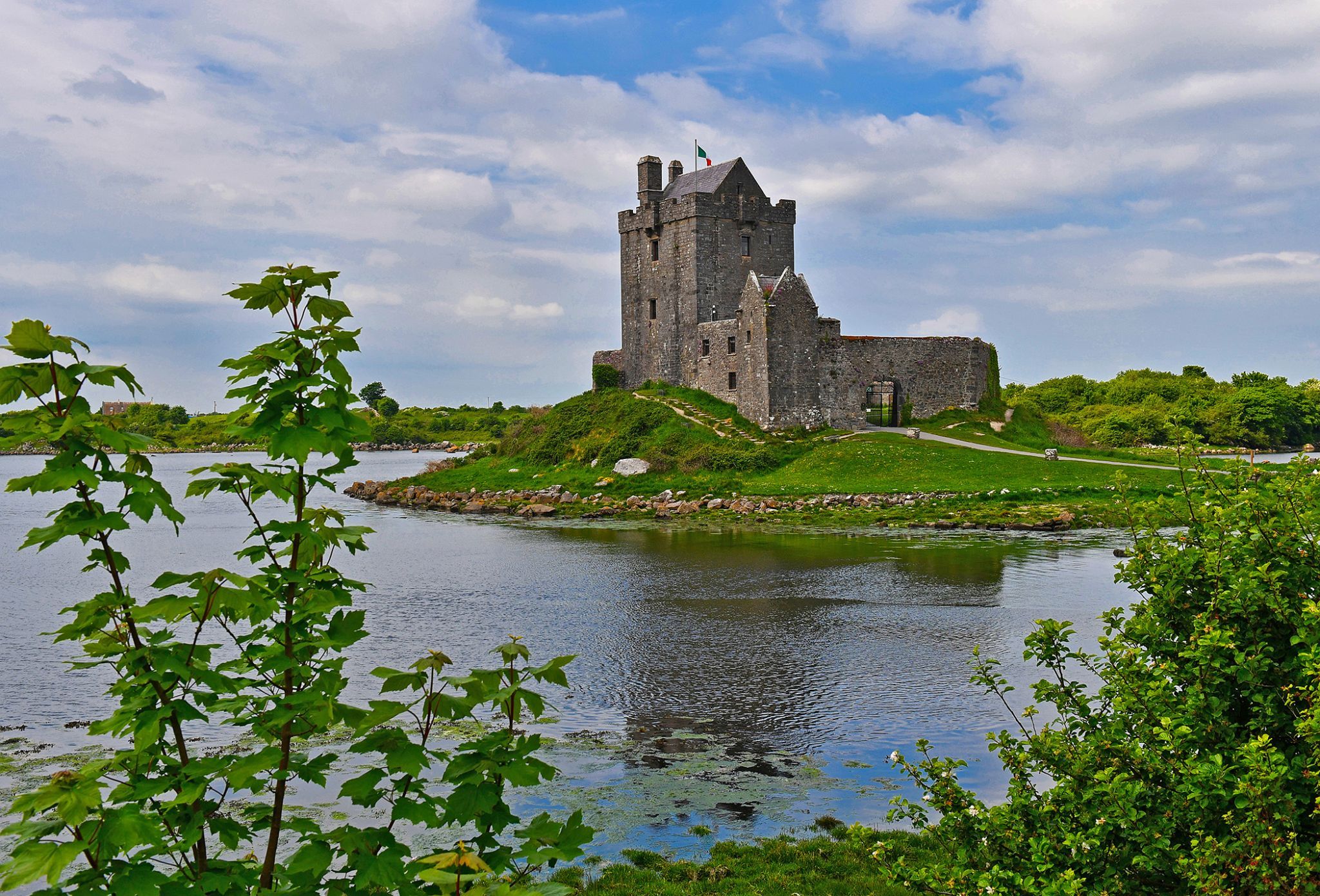 Castle IslandIsland · 3.8 mi
 Holly IslandIslet · 3.9 mi
 Drumharsna CastleHeritage attraction · 3.9 mi
 Kilmacduagh Monastic SiteVisitor information · 4.4 mi