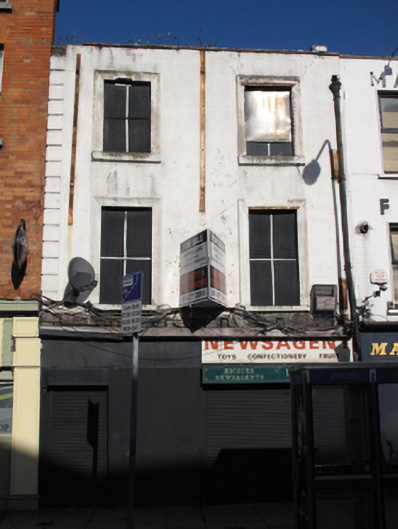
What is recorded here
Attached two-bay three-storey house, built c.1640, having recent shopfront to front (south) elevation. Pitched artificial slate roof with render coping, rendered parapet having masonry coping, cast-iron rainwater goods. Lined-and-ruled rendered walls, channelled quoins to west of façade, brick visible over shopfront. Square-headed window openings with moulded render architrave surrounds, painted masonry sills, blocked. Door opening leading to upper levels, to west of shopfront. Retaining significant interior features including corner fireplaces and staircase with barley sugar balusters.
Dublin Civic Trust's 'Survey of Gable-Fronted and Other Early Buildings of Dublin City,' 2012, states 'Despite its very poor condition, this former early house retains a remarkable wealth of original fabric to the interior including one of the handful of c.1700 timber staircases surviving in Dublin. The plan, scale and joinery detailing clearly place this building in the category of early post-medieval building, the original form of which - whether gable-fronted or dormer-roofed - has yet to be full determined. With the exception of No.101 North King Street, Dublin 7, there are probably no other vernacular buildings of this diminutive size, early date and relative intactness left in Dublin city.' Thom’s Directory of 1862 lists this as the property of Pat Connor, salt merchant. By 1913, it was in use as tenements. Thomas Street developed as a commercial street as a result of its location between the city walls and the rural hinterland, with several markets located here for the sale of produce. Since the time of survey, works undertaken have revealed that the staircase reuses oak whose felling dates to 1471. The oak may have been salvaged from the Augustinian Priory of St. Thomas on the opposite side of the street. The corner fireplaces retain much of their original seventeenth century brickwork.
This does not grant access. Most recorded buildings are privately owned; view them only from public ground unless the owner allows entry.
Places near here
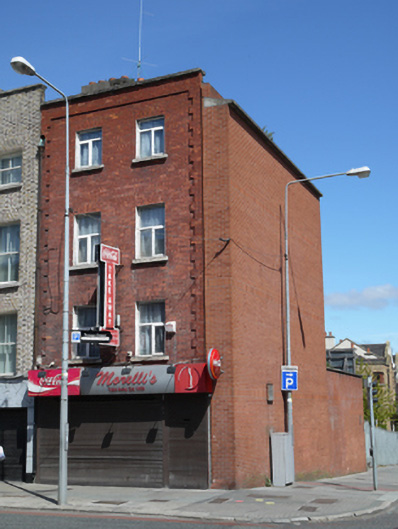 Morelli'shouse · 38 yd
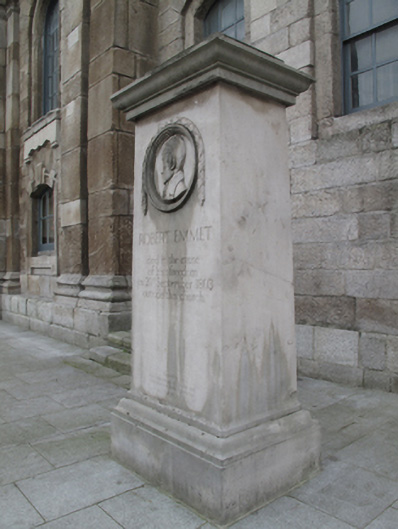 monumentmonument · 43 yd
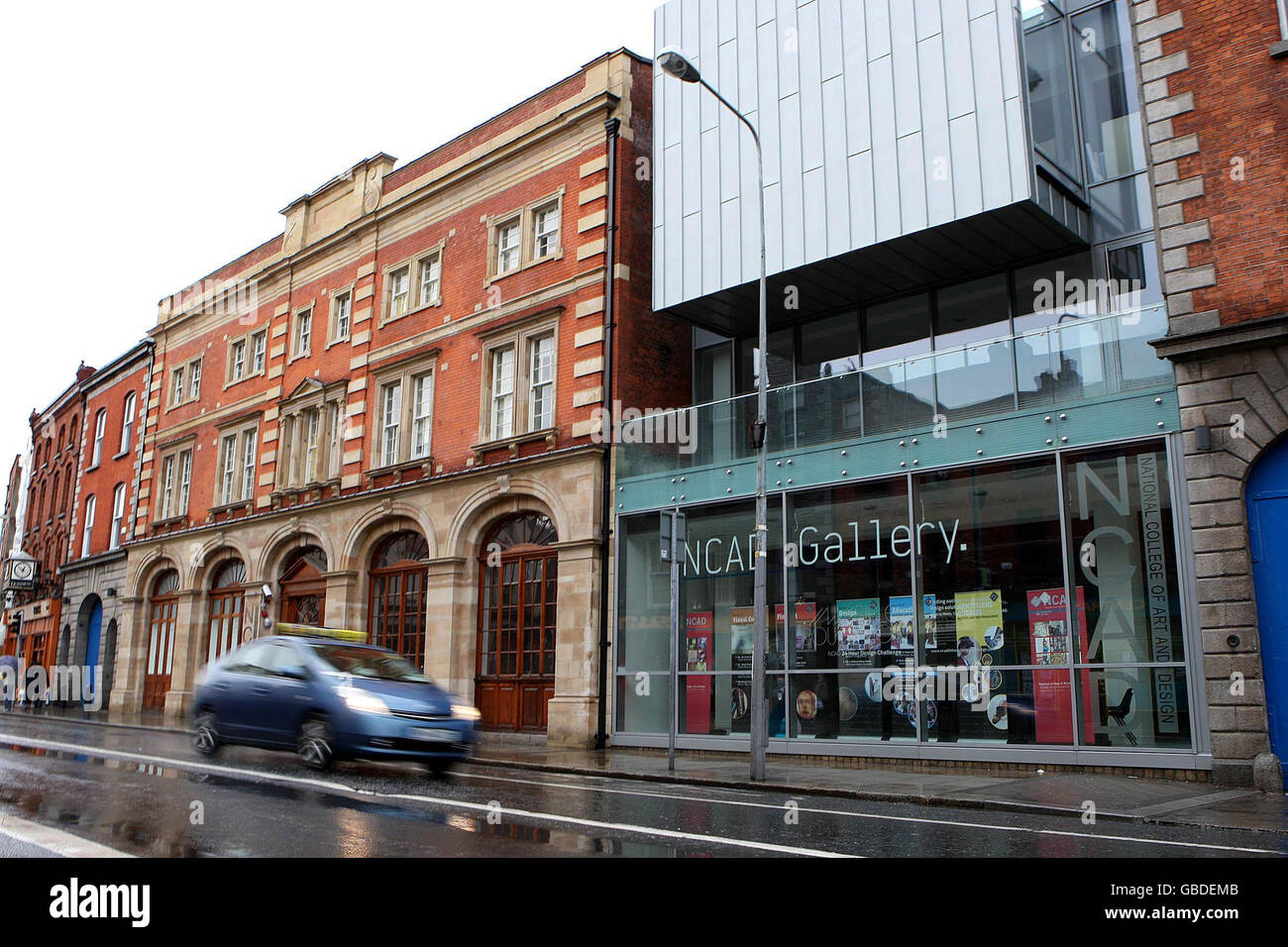 NCAD GalleryGallery · 173 yd
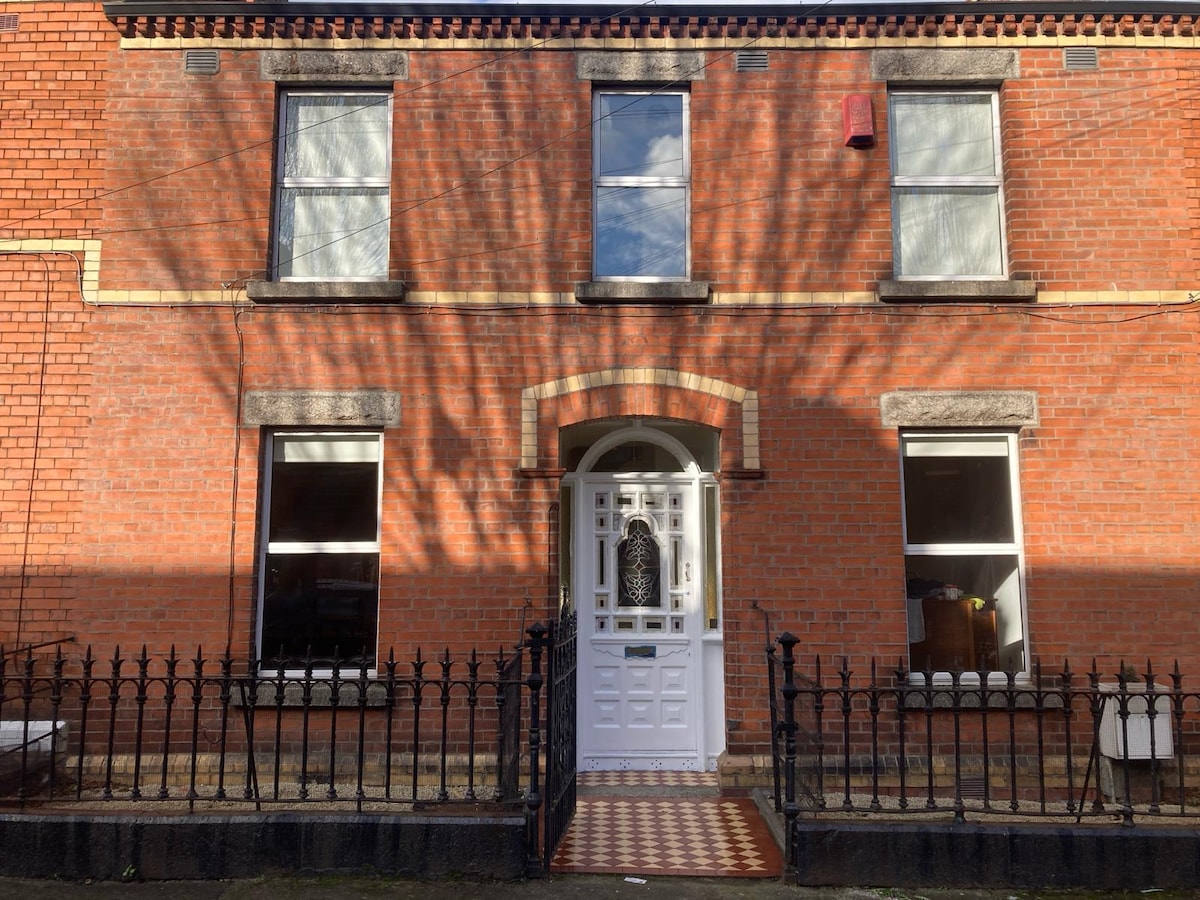 Habitation site in Unknown TownlandHabitation site · 177 yd
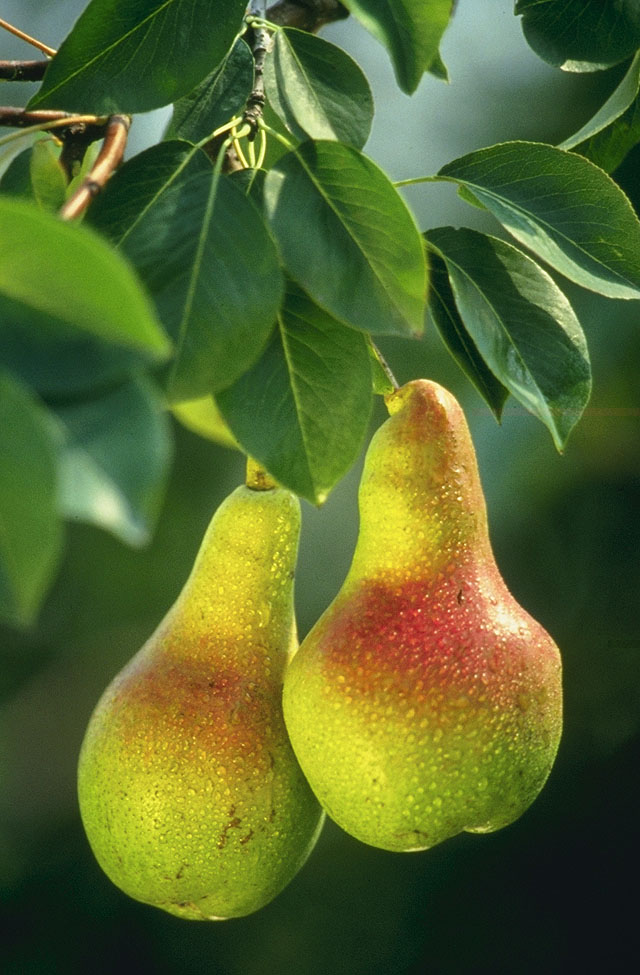 European PearEuropean Pear · 224 yd
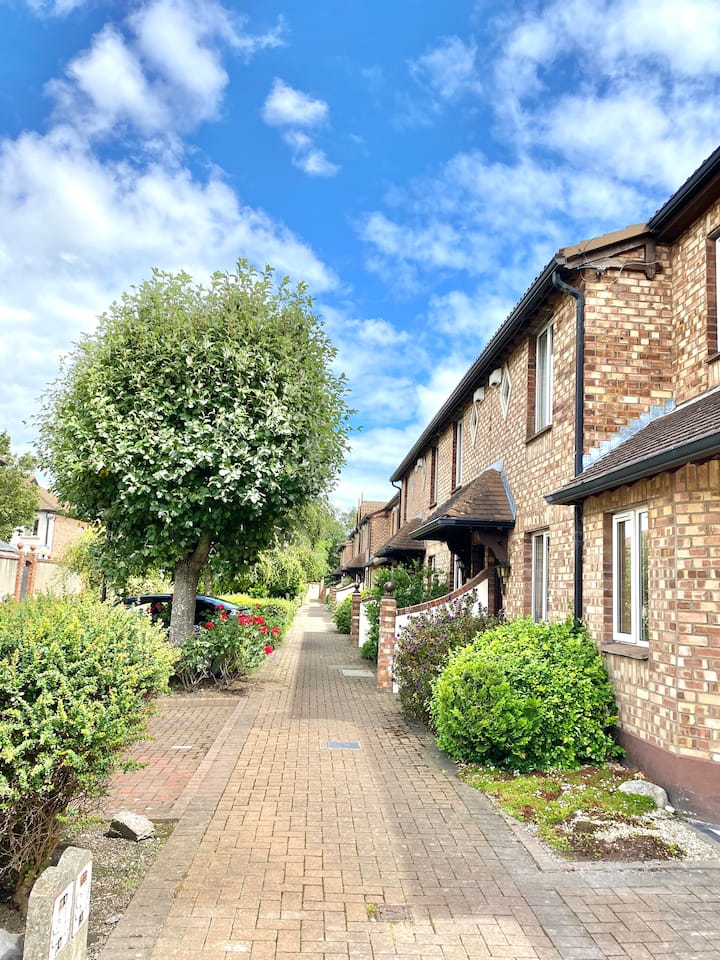 SteamBoxGallery · 243 yd
 Courthouse in Unknown TownlandCourthouse · 273 yd
 Gairdín Súgartha i gCuimhne ar na Páistí a Cailleadh in 1916Memorial · 404 yd
 Medieval DublinVisitor information · 420 yd
 Croppies Acre MemorialMemorial · 623 yd
 CastleCastle, unclassified · 791 yd
 Bus Route InformationVisitor information · 1119 yd
Other information
Photo: National Inventory of Architectural Heritage · Website use allowed for educational or private purposes with source credit