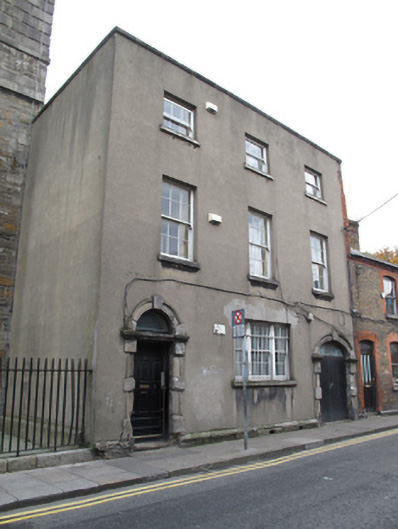
What is recorded here
Attached three-bay three-story house, built c.1770. Formerly in use as sexton's house. Flat roof with rendered chimneystack and clay chimney pots, hidden behind rendered parapet having granite coping to front (west) and north elevations, having cast-iron rainwater goods. Lined-and-ruled rendered walls, with red brick exposed to south of façade, having rendered plinth course with granite coping. Square-headed window openings having granite sills and timber sash windows, three-over-three pane to second floor to front, and six-over-six pane to first floor and to rear (east) elevation. Tripartite window to ground floor to front, having granite sills, timber mullions, six-over-six pane timber sash window flanked by four-over-four pane timber sash windows, and wrought-iron railings. Round-headed door opening to front with carved granite Gibbsian surround, timber panelled door, plain fanlight and granite step. Carriage arch to front having carved granite Gibbsian surround, plain fanlight and double-leaf timber battened door. Square-headed door opening to rear, with recent glazed door.
This house forms part of an interesting ecclesiastical group with the attached Saint Catherine’s Church of Ireland Church and the associated graveyard to the rear. Although a church stood on St Catherine's site since the late twelfth century, the current church was erected c.1765 and this house may have been constructed at the same time. It is of historical interest due to its use as the office of the Meath Charitable Loan Society, founded in 1807 to lend small sums to local people of modest means. As the house of the sexton, who was responsible for the maintenance of the church buildings, it was of some social importance in the parish. Due to its form and imposing scale, it makes a formidable impression on the streetscape. Its façade is enhanced by carved granite Gibbsian surrounds, which provide artistic and technical interest, and attest to the artisanship employed in the construction of the building. Timber sash windows, which are retained throughout, lend a patina of age. Thom’s Directory of 1850 lists William Singleton as the Secretary of the Meath Charitable Loan Society Office, and that of 1862 lists the sexton as Andrew Hamilton.
This does not grant access. Most recorded buildings are privately owned; view them only from public ground unless the owner allows entry.
Places near here
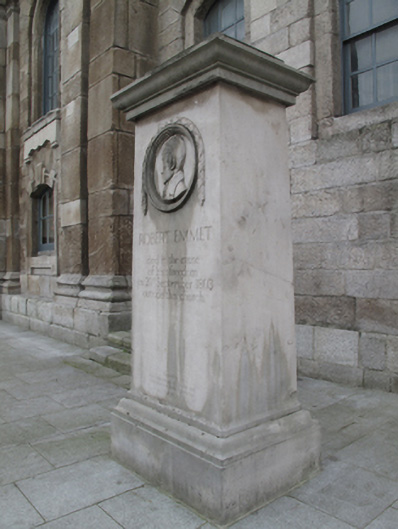 monumentmonument · 23 yd
 Saint Catherine's Church of Ireland Churchchurch/chapel · 26 yd
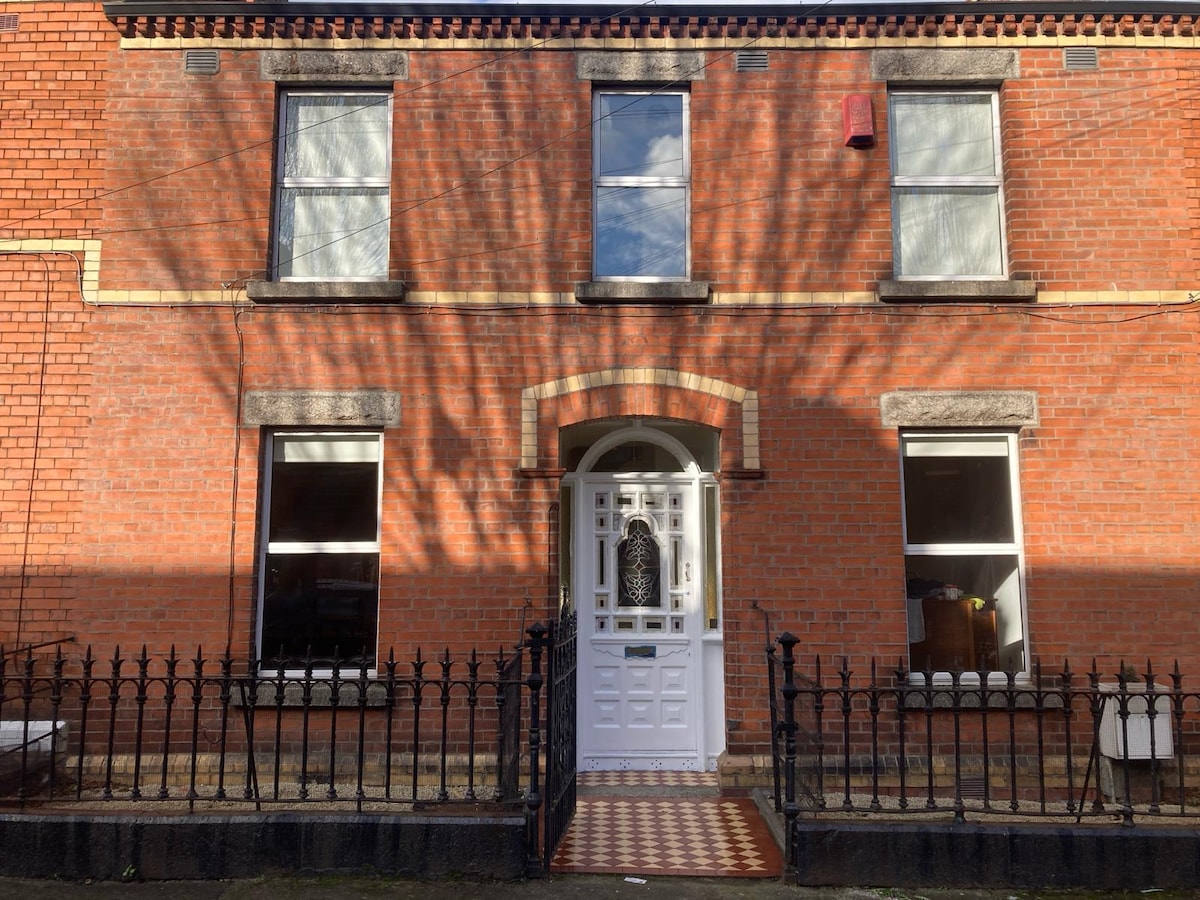 Habitation site in Unknown TownlandHabitation site · 147 yd
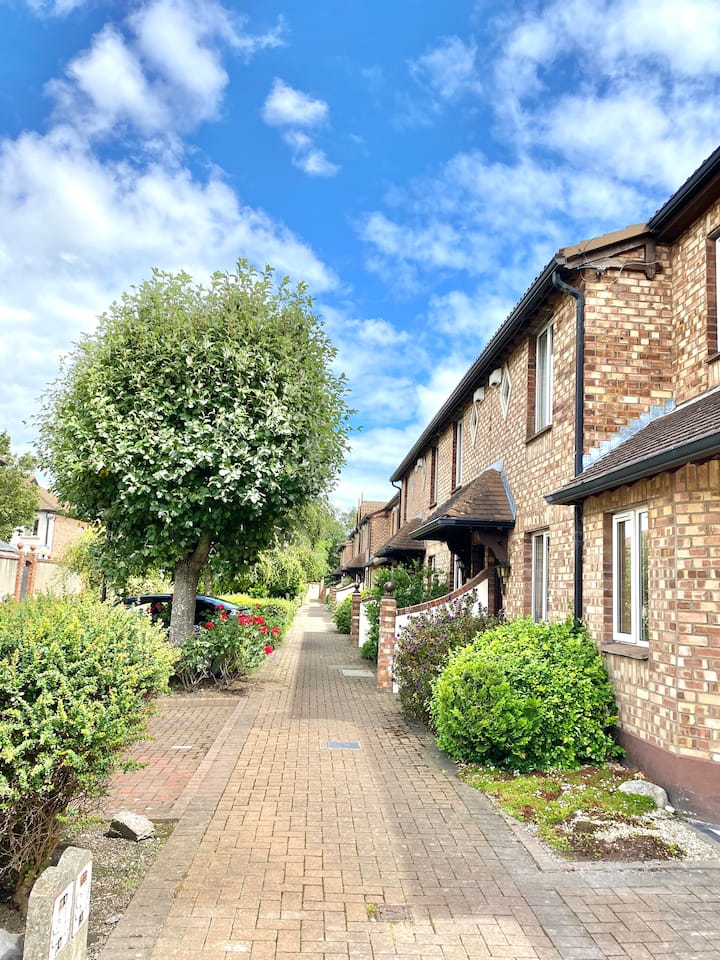 SteamBoxGallery · 179 yd
 Saint James' GateHeritage attraction · 195 yd
 Courthouse in Unknown TownlandCourthouse · 213 yd
 European PearEuropean Pear · 214 yd
 Gairdín Súgartha i gCuimhne ar na Páistí a Cailleadh in 1916Memorial · 452 yd
 Graveyard in Unknown TownlandGraveyard · 641 yd
 CastleCastle, unclassified · 816 yd
 Bus Route InformationVisitor information · 1065 yd
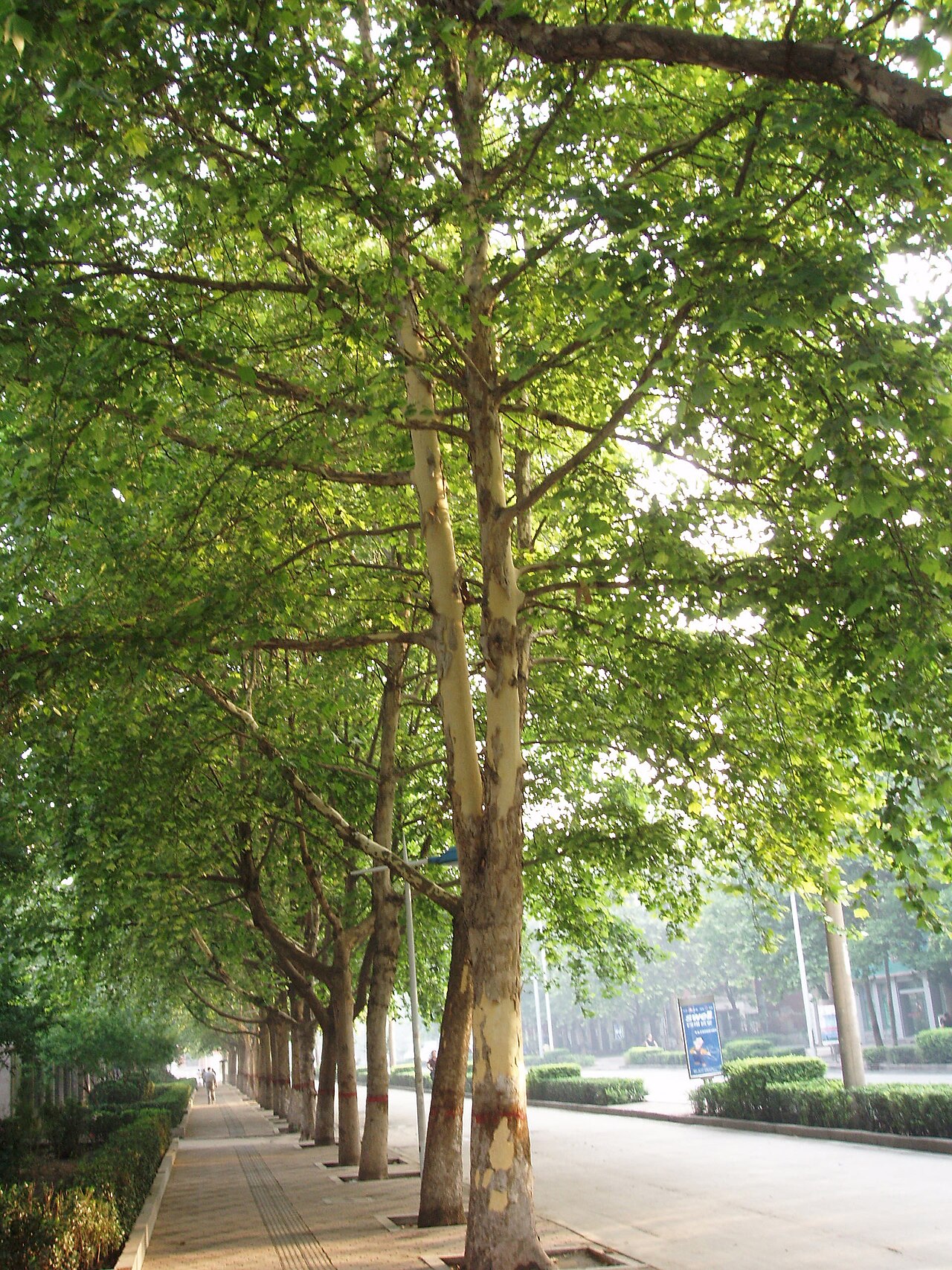 London PlaneLondon Plane · 1276 yd
Other information
Photo: National Inventory of Architectural Heritage · Website use allowed for educational or private purposes with source credit