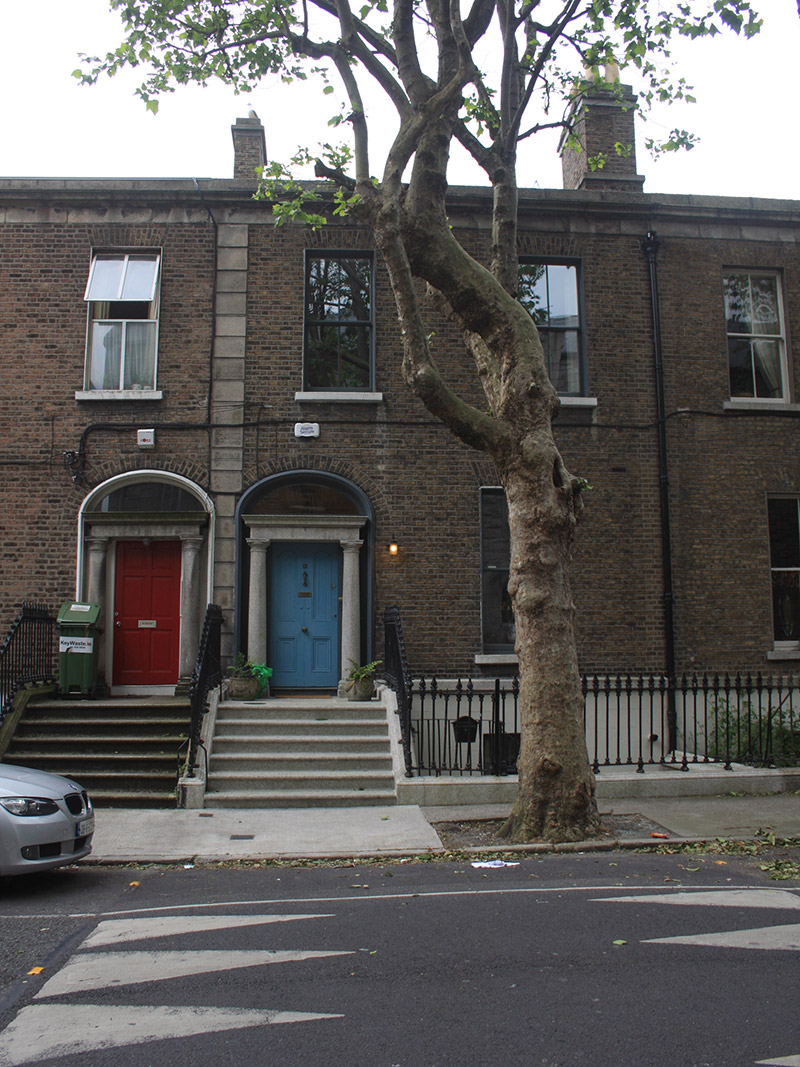
What is recorded here
Terraced two-bay two-storey former house over raised basement, built c. 1860, as one terrace of four. Now in use as apartments. M-profile pitched slate roof, shared brick and rendered chimneystacks with granite bands and clay pots, partially hidden behind cut granite parapet having carved cornice. Shared cast-iron rainwater goods. Brown brick, laid in Flemish bond, to wall to front (west) elevation. Cut granite quoins, eaves course and plinth course over lined-and-ruled rendered wall to basement. Square-headed window openings with granite sills and rendered reveals, having two-over-two pane and three-over-six pane timber sliding sash windows. Elliptical-headed door opening with moulded render surround. Carved granite doorcase comprising Doric columns and entablature, having plain fanlight and timber panelled door. Nosed granite steps having cast-iron coal-hole cover to platform. Cast-iron railings on carved granite plinth wall. Square-headed doorway with timber door to basement. Cast-iron gate and matching railings on carved granite plinth wall enclosing basement area.
This house maintains the form, fabric and detailing of its neighbours, creating a sense of uniformity to the terrace and contributing to that of the street. The retention of salient features, such as the sash windows and cast-iron railings, maintain the historic character of this house. Granite detailing articulates and enliven the façade, most notably the classically-influenced doorcase. Synge Street was reputedly named for the Church of Ireland Bishop Edward Synge, who held land there in the eighteenth century. The street was developed from the late 1840s as demand for suburban housing increased with the growth of the middle class and expansion of the city.
This does not grant access. Most recorded buildings are privately owned; view them only from public ground unless the owner allows entry.
Places near here
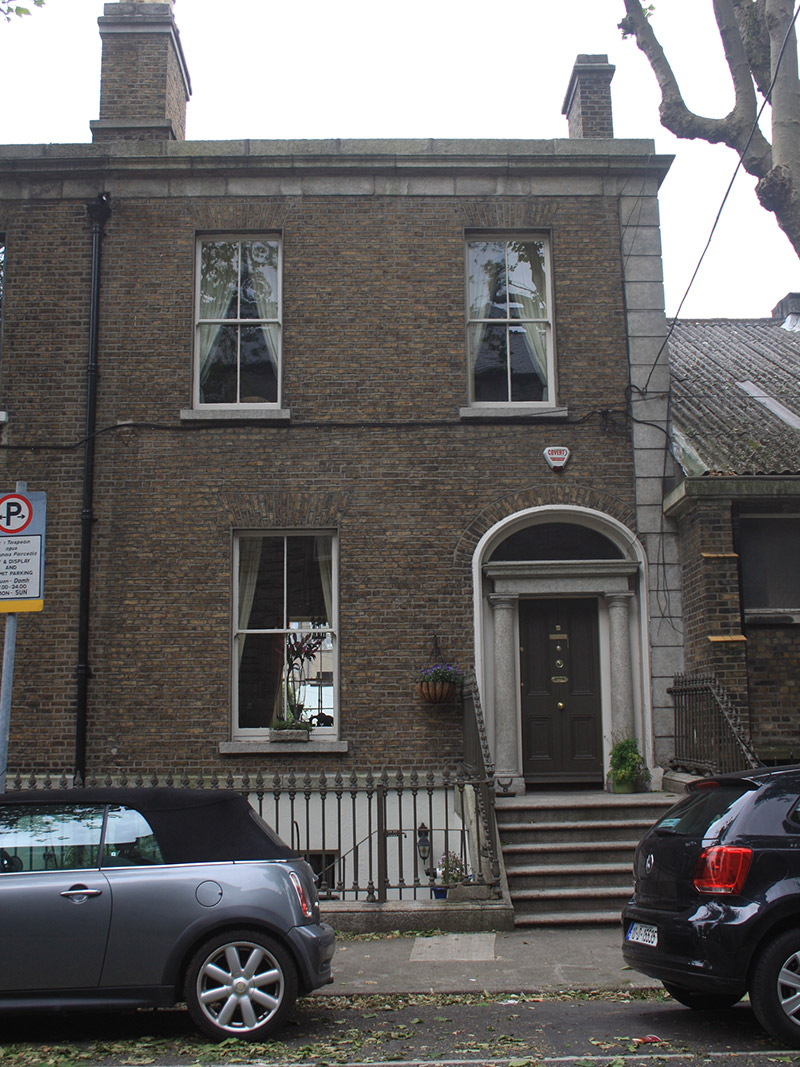 Grove Househouse · 8 yd
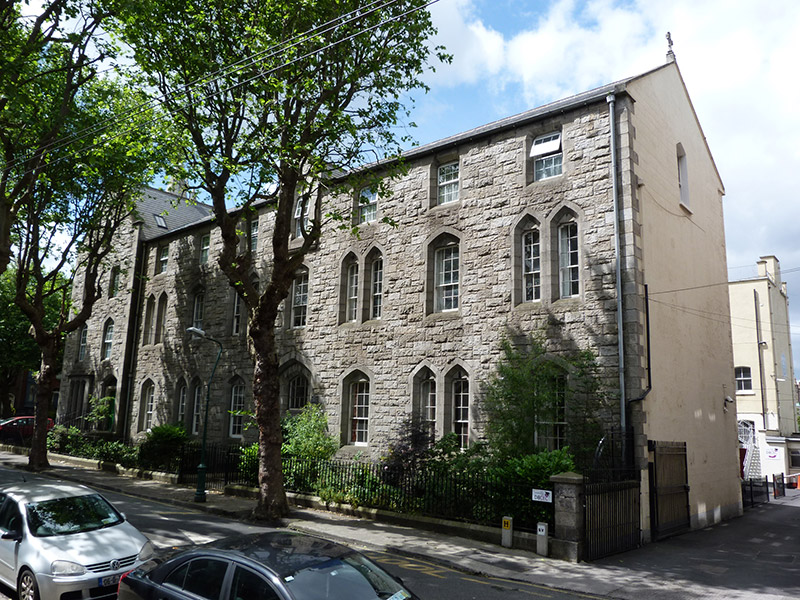 The Lantern Centreschool · 35 yd
 International Tailors, Pressers and Machinists UnionMemorial · 124 yd
 The Copper House GalleryGallery · 202 yd
 Irish Jewish MuseumMuseum · 354 yd
 Habitation site in Unknown TownlandHabitation site · 837 yd
 Robert EmmetMemorial · 864 yd
 Liberty BellMonument · 874 yd
 Battle of RathminesMajor battlefield · 1260 yd
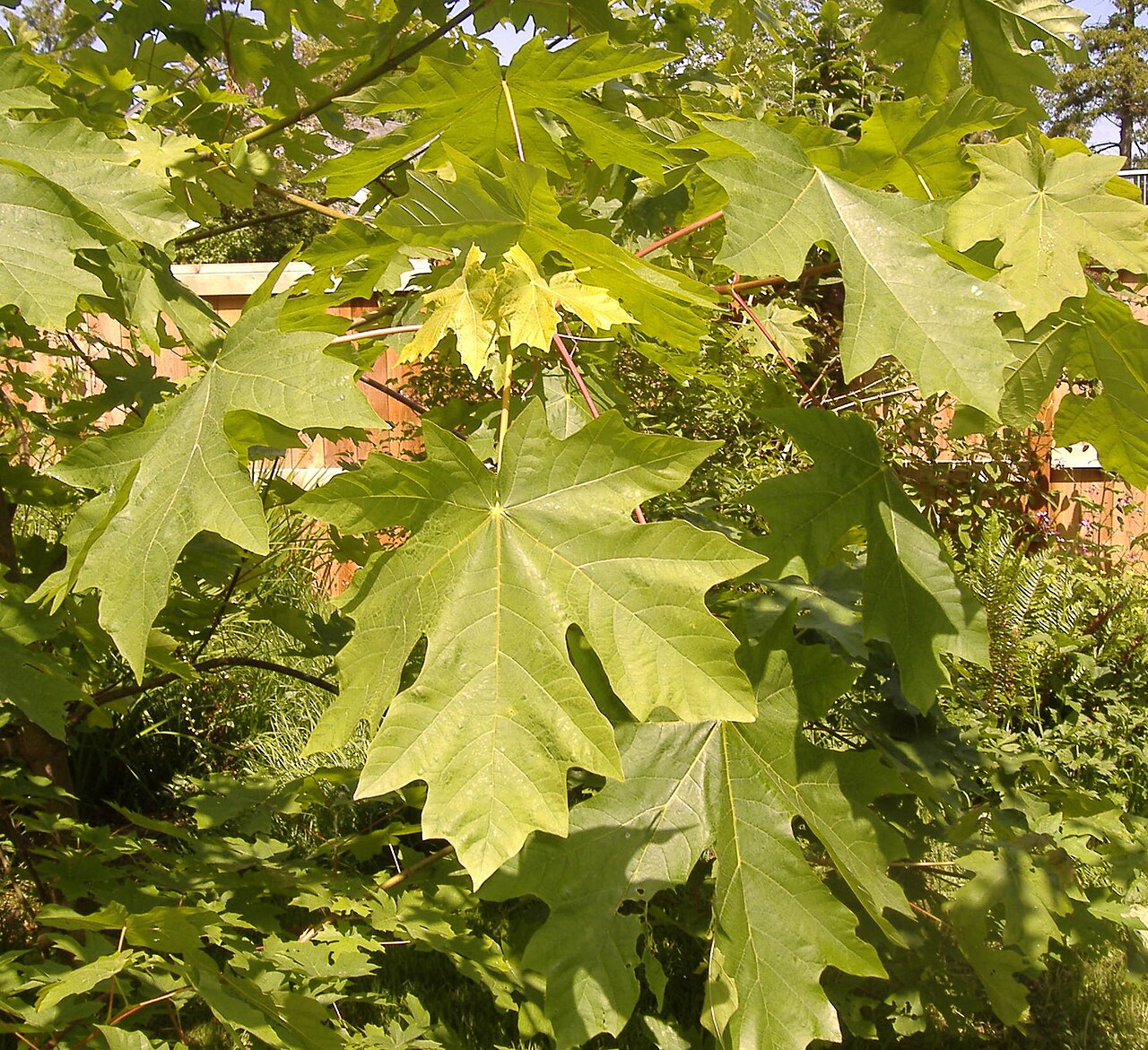 Bigleaf MapleBigleaf Maple · 1521 yd
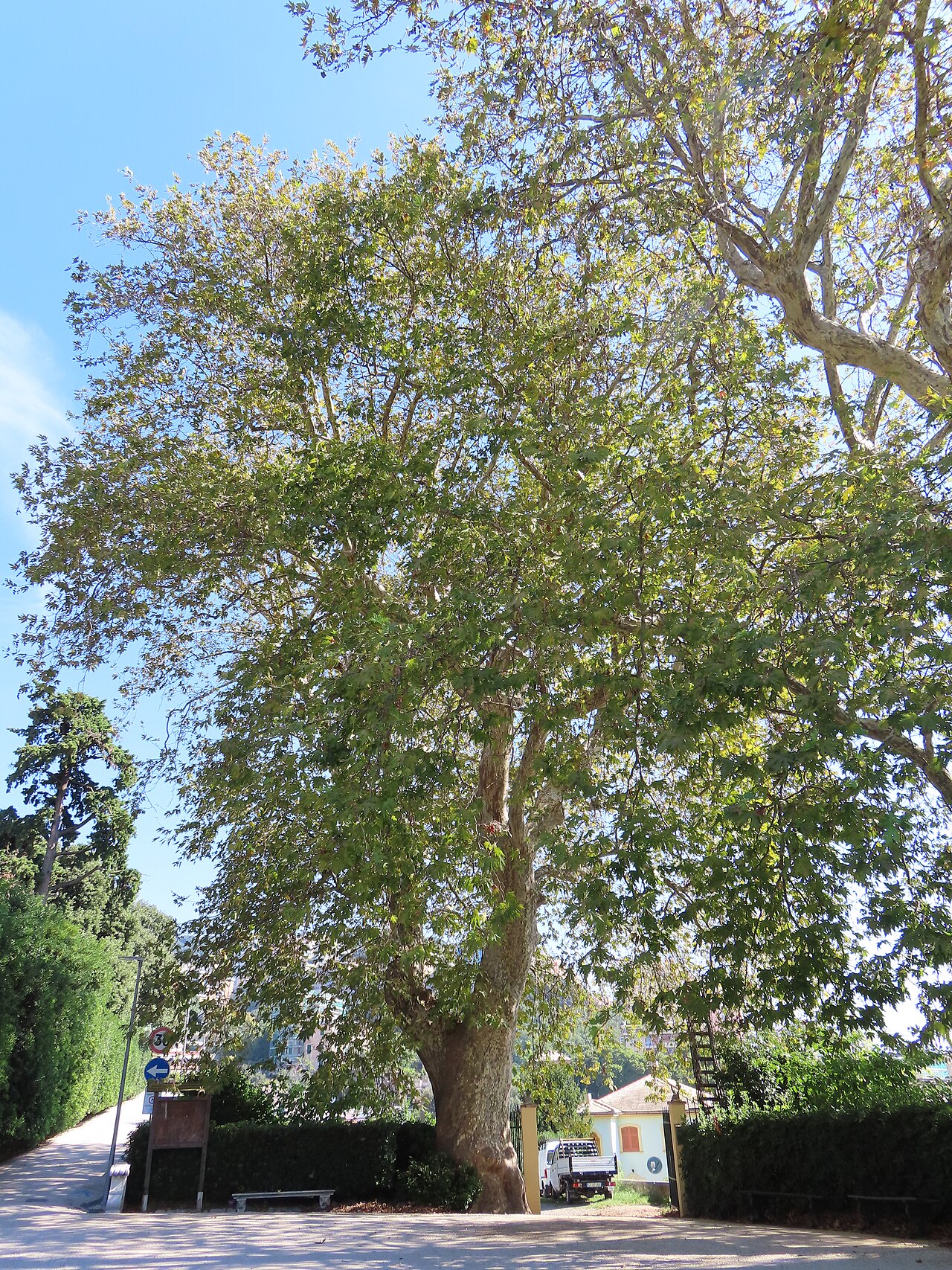 Oriental planeOriental plane · 1606 yd
 Burning of the Custom Housearmed conflict · 1.2 mi
Other information
Photo: National Inventory of Architectural Heritage · Website use allowed for educational or private purposes with source credit