What is recorded here
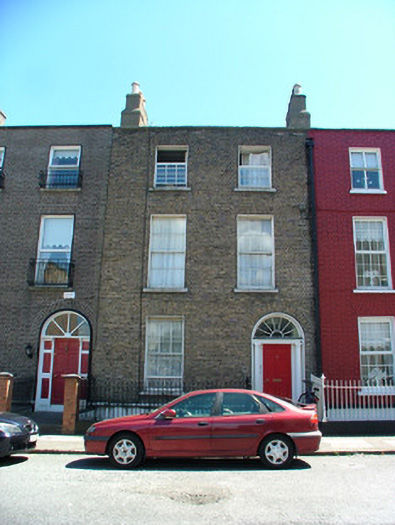
Terraced two-bay three-storey former house over basement, built c.1820. Now in use as flats. M-profile roof with smooth-rendered chimneystacks over party walls to north and south ends, having clay chimney pots and with replacement uPVC rainwater goods, behind parapet wall. Brick facade, laid in Flemish bond, with granite coping to parapet and having rendered walling and granite string course to basement level. Smooth render to rear elevation. Square-headed window openings with rendered reveals, painted granite sills and replacement six-over-six pane timber sliding sash windows with ogee horns. Round-headed stair window openings to rear elevation with timber sliding sash windows. Round-headed entrance opening to facade with rendered reveals, replacement timber doorcase with columns and fluted frieze to hood cornice, replacement panelled door and spoked fanlight. Door opens to granite platform, which spans basement well, with cast-iron boot scraper and steps. Painted granite plinth wall with wrought-iron railings encloses basement well. Steel steps with handrail descend basement. Square-headed door opening to basement with glazed and panelled timber door. Sheet steel door opens to coal cellar beneath pavement from basement well. Two granite flagstones with cast-iron coal-hole covers to pavement. Rear site accessed through steel gate from cobbled laneway.
Number 15 is one of a terrace that lines the eastern side of the street. The street was developed during the 1820s with opposing terraces of identical houses. Built for the professional classes, the houses on the street went into decline in the later nineteenth century and subsequently became tenement dwellings. Features of note include the Doric doorcase with its spoked fanlight, the original cast-iron boot-scraper located beside the front door and wrought-iron railings that enclose the basement area. A pair of decorative cast-iron coal-hole covers, set within granite flagstones, survives to the pavement outside. Their survival contributes to both the house and its wider streetscape.
This does not grant access. Most recorded buildings are privately owned; view them only from public ground unless the owner allows entry.
Places near here
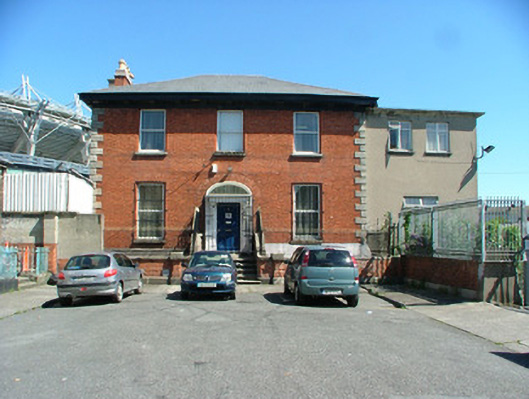 Araby House, Irish National Organisation of the Unemployedhouse · 62 yd
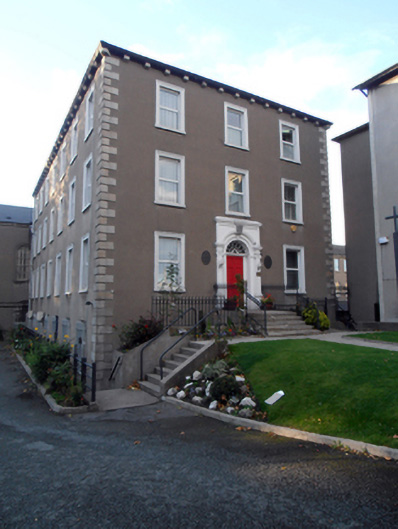 Edmund Rice Housemonastery · 83 yd
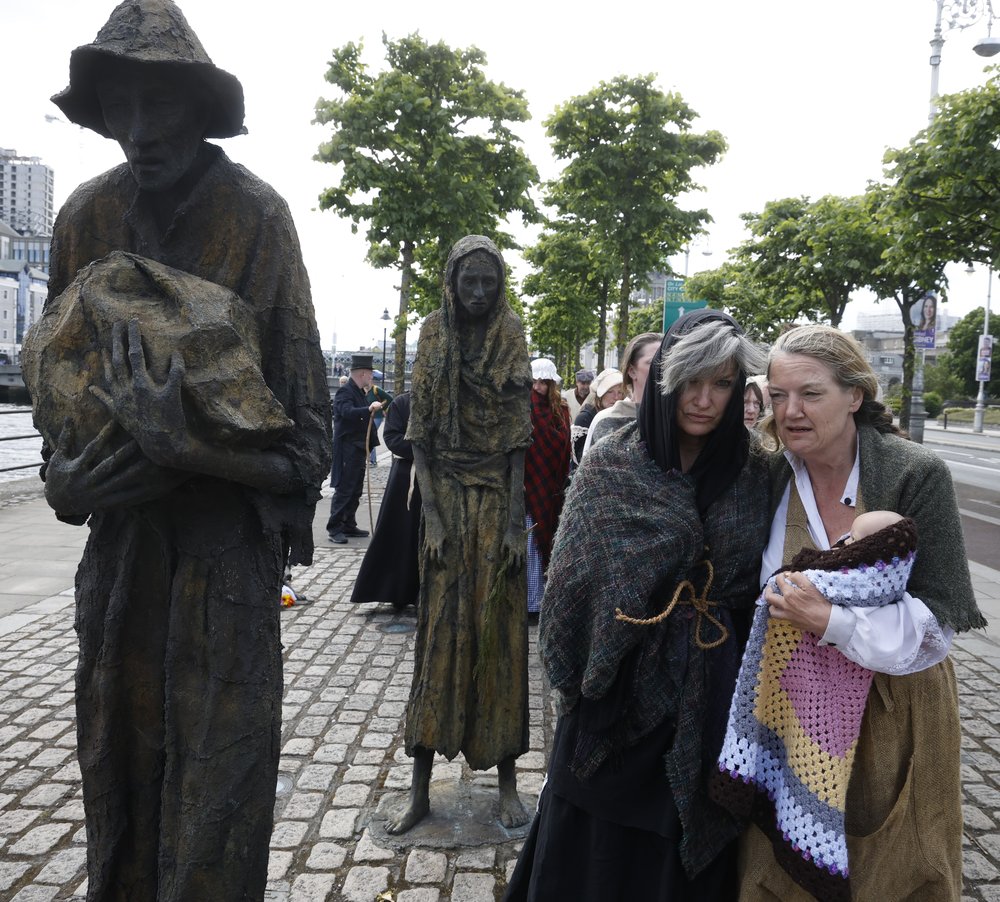 National Famine WalkMemorial · 142 yd
 Tony Gregory TDMemorial · 176 yd
 Gaelic Athletic Association MuseumMuseum · 203 yd
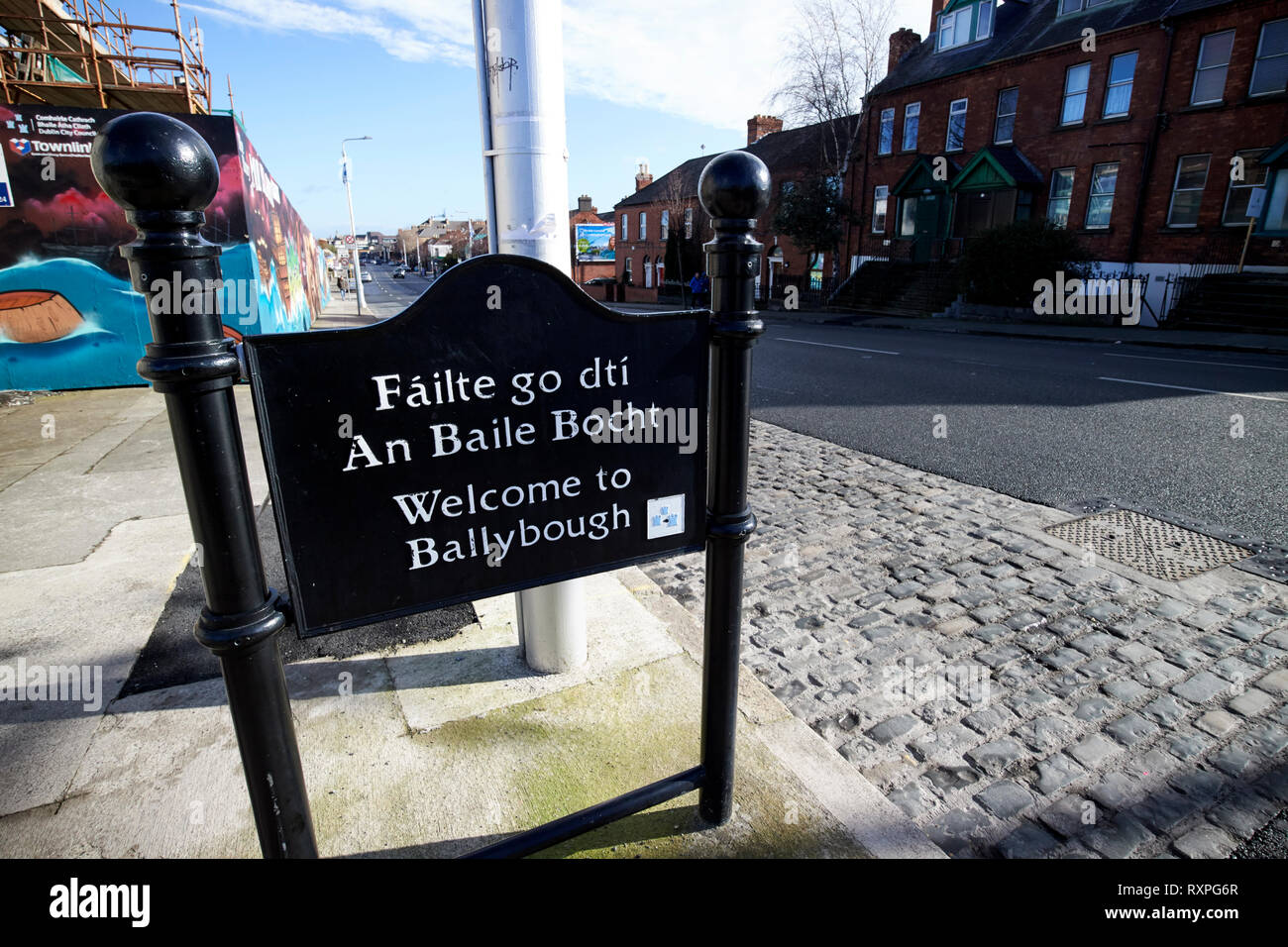 Welcome to BallyboughVisitor information · 222 yd
 Bread, Beer & Bia AirBnB ExperienceVisitor information · 364 yd
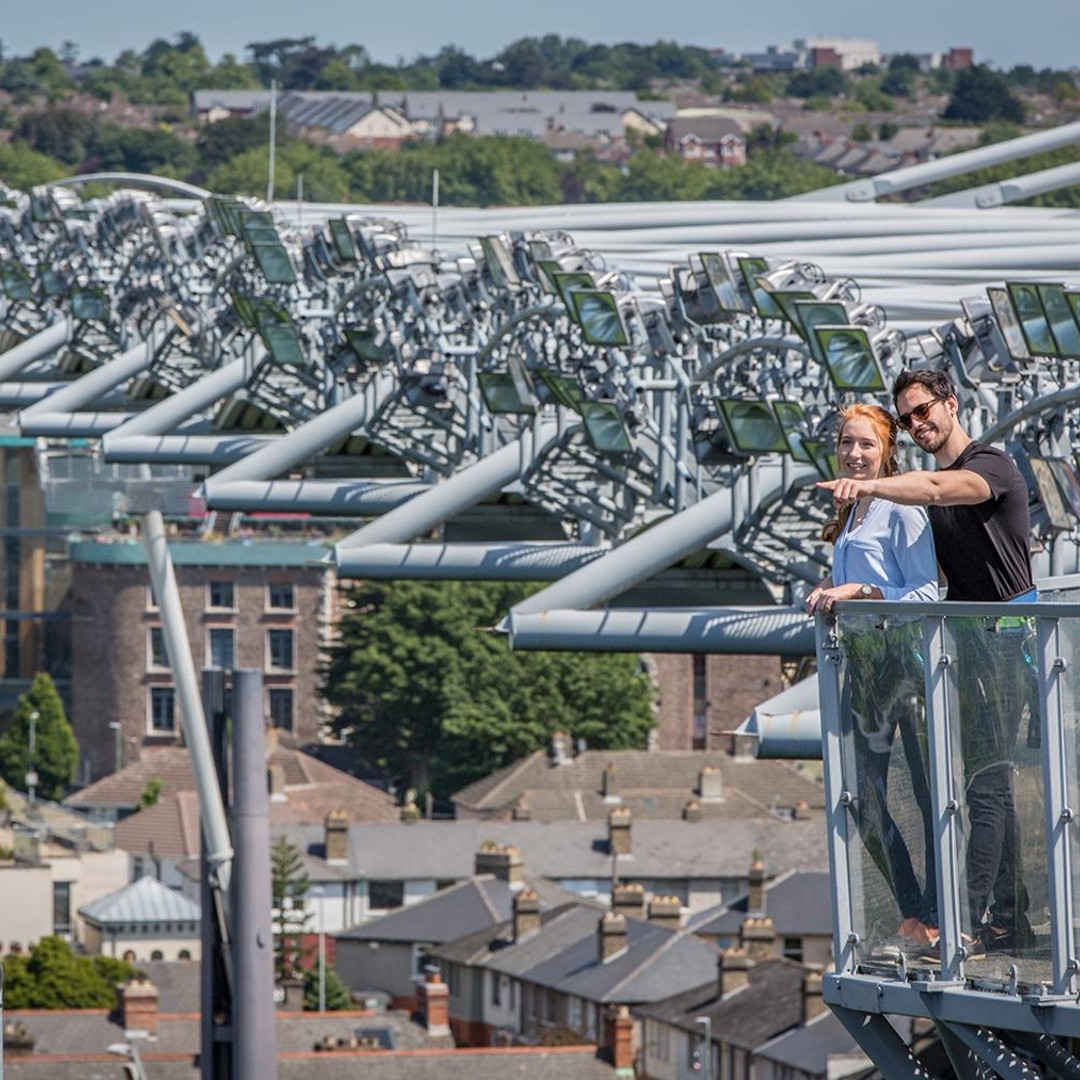 Kellogg's Skyline TourHeritage attraction · 372 yd
 Burial ground in Unknown TownlandBurial ground · 891 yd
 Burning of the Custom Housearmed conflict · 1211 yd
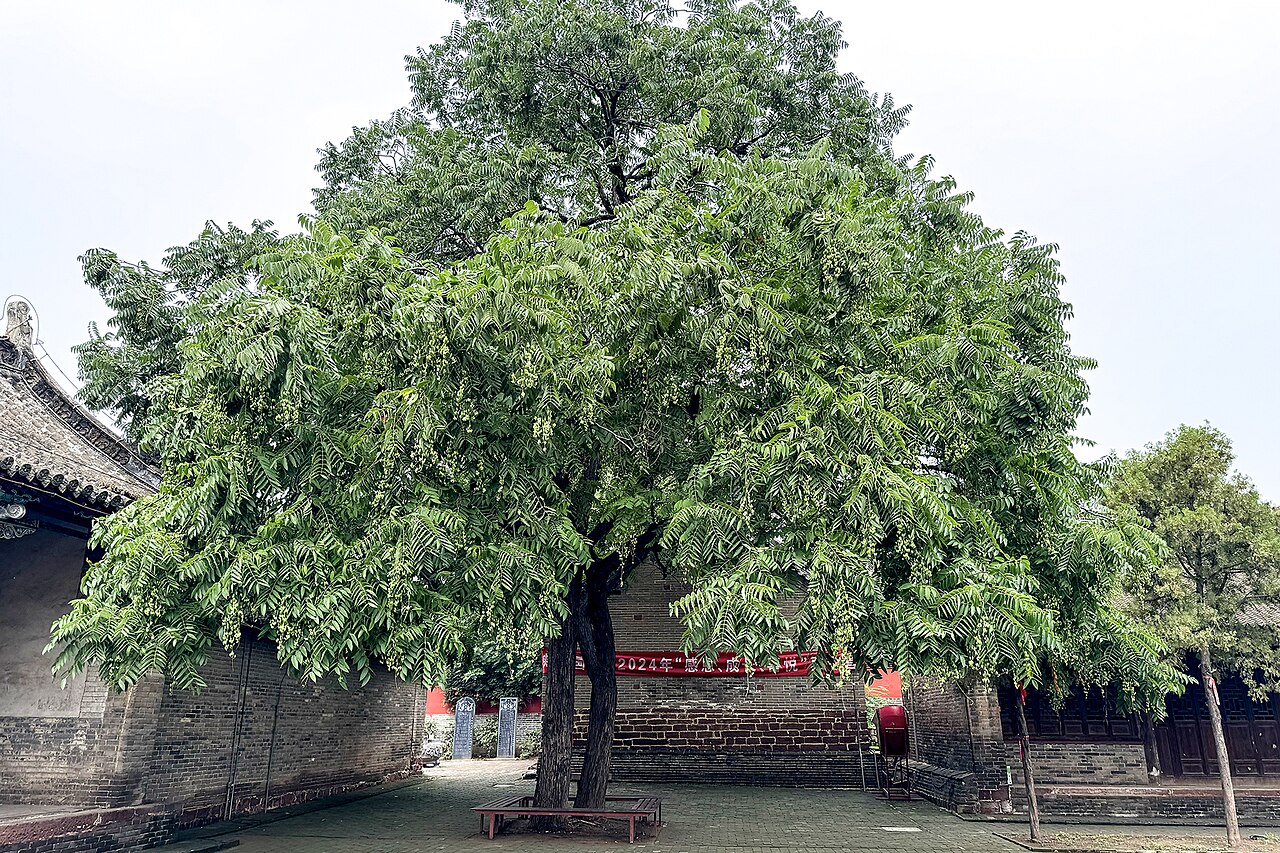 Chinese ToonChinese Toon · 1334 yd
 St Josephs Asylum for the BlindCastle, unclassified · 1379 yd
Other information
Photo: National Inventory of Architectural Heritage · Website use allowed for educational or private purposes with source credit