What is recorded here
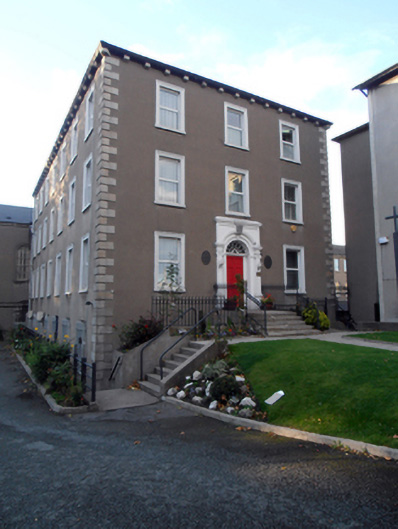
Attached three-bay three-storey monastery over partly exposed basement, built 1828. Now in use as residence. Seven-bay elevation to side (south). Hipped artificial slate roof with rendered corbelled and shouldered chimneystacks, terracotta ridge tiles and cast-iron rainwater goods. Rendered walls having corbelled eaves and rendered quoins. Plaques to front (east) elevation commemorating beatification of Edmund Rice. Square-headed window openings with moulded rendered surrounds, sills and replacement uPVC windows throughout. Round-headed door opening within tooled stone surround comprising engaged Ionic pilasters with corniced capitals and archivolt supporting flat-headed entablature with recessed tympana and stepped cornice, keystone carrying religious insignia. Replacement timber panelled door flanked by flat pilasters with recessed panels and decorative leaded fanlight. Door approached via granite platform and five granite steps flanked by replacement wrought-iron handrails. Basement area bounded by replacement wrought-iron railings on moulded granite plinths. Located within walled site including chapel and school buildings. Grounds bounded by rendered wall with entrance gates at North Richmond Street comprising rendered piers on square plan having stepped cornices and flat caps, recent wrought-iron double-leaf gate. Pedestrian entrance to north comprising square-plan granite piers surmounted by granite frieze with incised lettering 'Edmund Rice House' and tripartite granite block entablature with cross over, in rendered wall with painted stone balustrade over. Adjoining school building to North Richmond Street, built c.1960, replacing original school building c.1830.
O'Connell Schools was founded in North Richmond Street by Edmund Rice and completed to the designs of architect James Bolger in 1831. Now known as Edmund Rice House, this building was extended from an original five-bay deep brick house to the present seven-bay deep building now attached to the chapel (c.1855) to the west. The house is of considerable historical significance as the site of the first Foundation of the Christian Brothers in Dublin. The foundation stone of the school was laid by Daniel O'Connell in 1828. Cultural significance is contributed by the association with James Joyce who was a student here. North Richmond Street plays a vital part in his short story 'Araby'. The former monastery and school buildings are of social importance for the role they played in the development of the educational system of the country from the early decades of the nineteenth century. the fine doorcase with an ornate fanlight provide the decorative focus of the entrance elevation, and the corbels to the eaves, and the quoins add further visual interest.
This does not grant access. Most recorded buildings are privately owned; view them only from public ground unless the owner allows entry.
Places near here
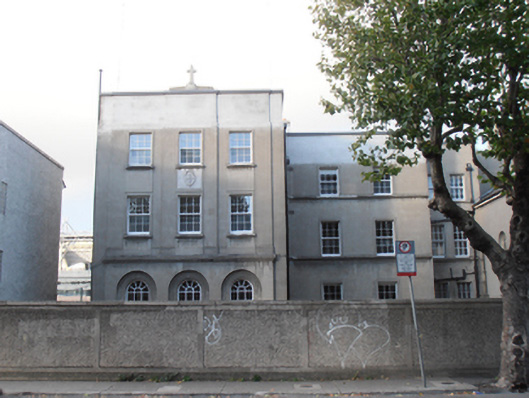 O'Connell Schoolsmonastery · 27 yd
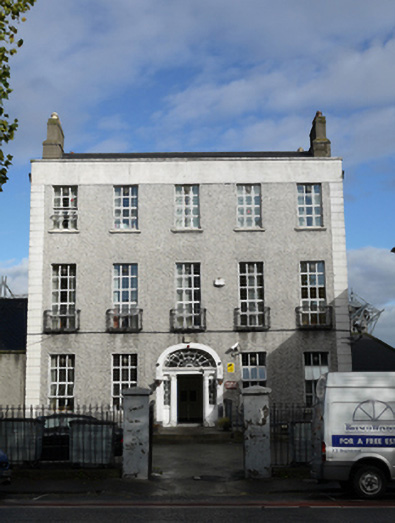 Maple Househouse · 58 yd
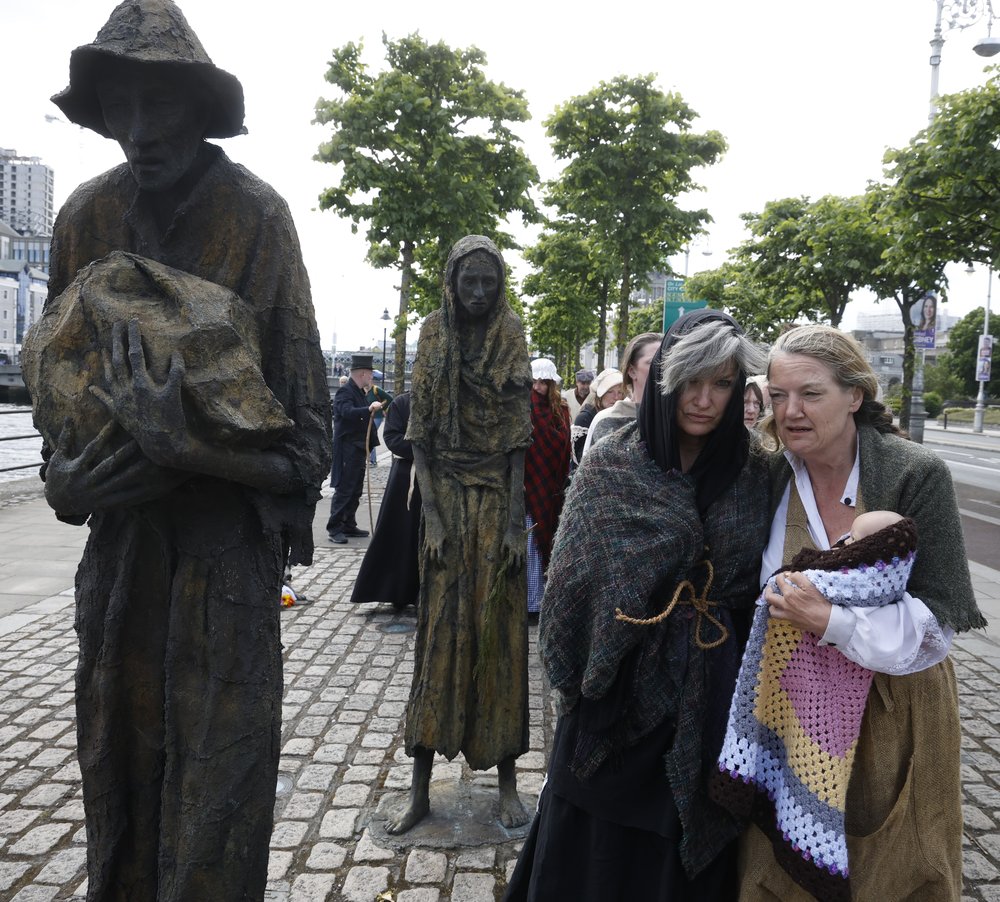 National Famine WalkMemorial · 163 yd
 Tony Gregory TDMemorial · 242 yd
 Gaelic Athletic Association MuseumMuseum · 250 yd
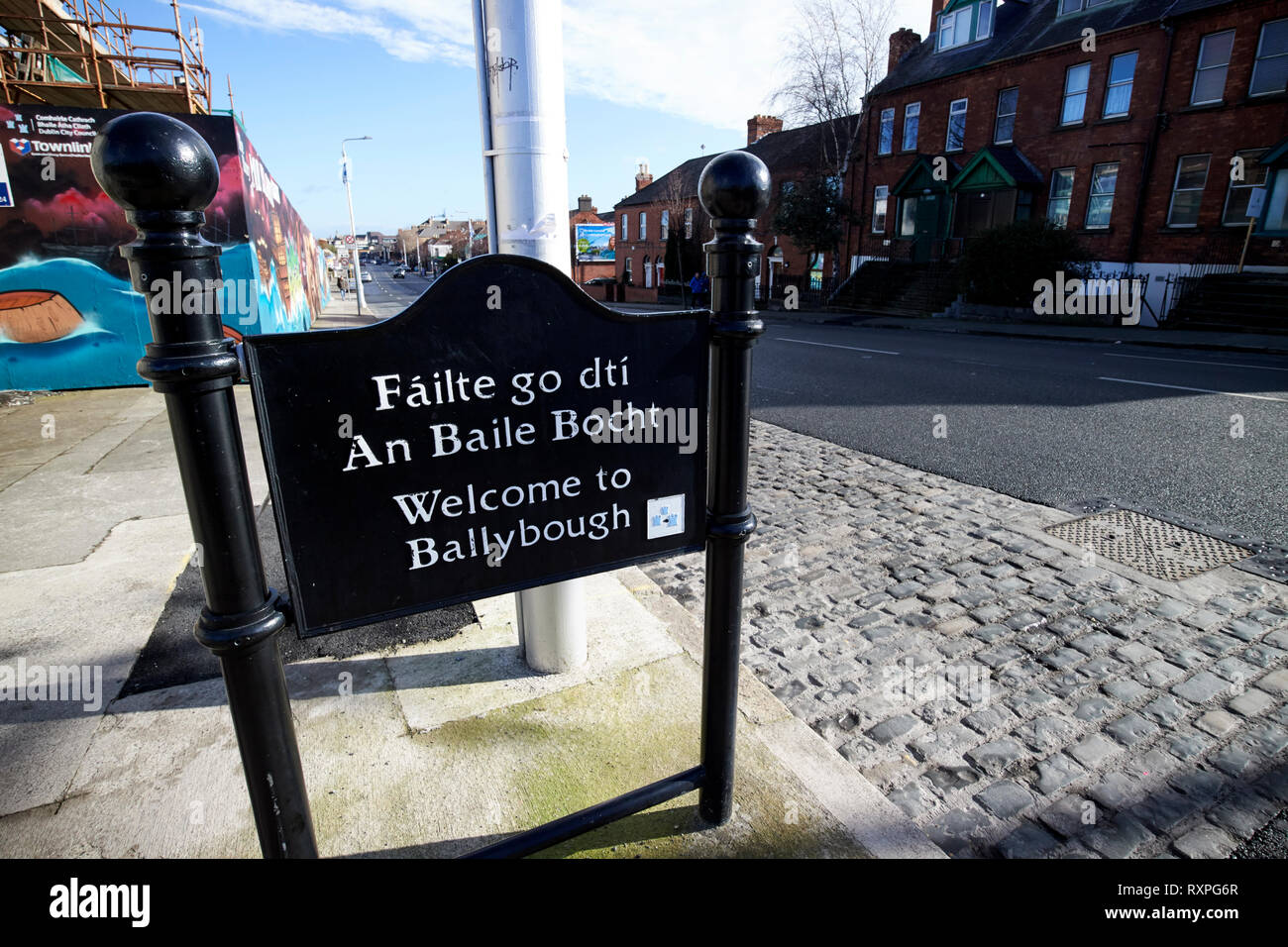 Welcome to BallyboughVisitor information · 302 yd
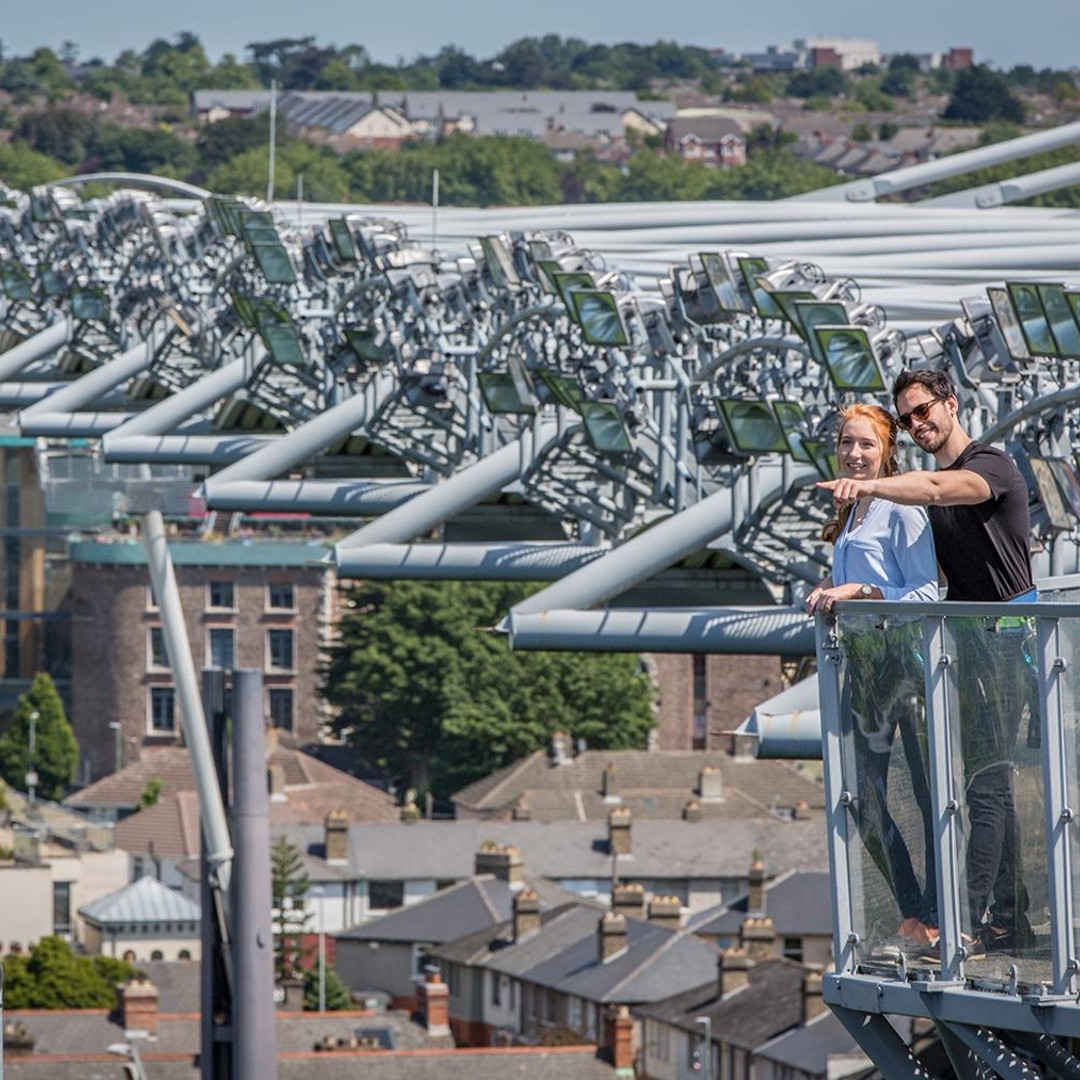 Kellogg's Skyline TourHeritage attraction · 382 yd
 Bread, Beer & Bia AirBnB ExperienceVisitor information · 447 yd
 Burial ground in Unknown TownlandBurial ground · 809 yd
 Theobald MathewMonument · 1096 yd
 Burning of the Custom Housearmed conflict · 1168 yd
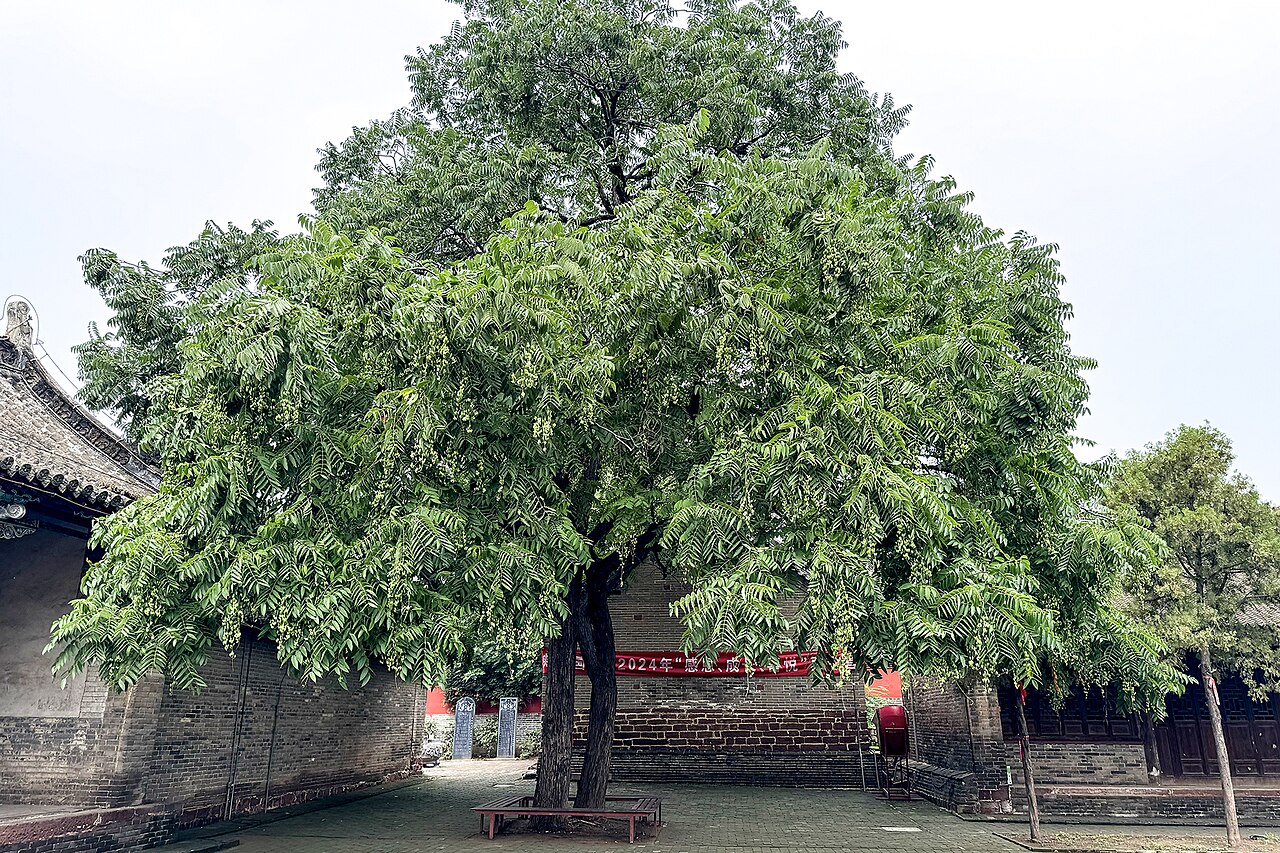 Chinese ToonChinese Toon · 1256 yd
Other information
Photo: National Inventory of Architectural Heritage · Website use allowed for educational or private purposes with source credit