
What is recorded here
Drumcondra Castle rose in 1561 for John Bathe, Chancellor of the Exchequer, its thick walls and vaulted rooms built to outlast kings. Today those same stones hide inside the kitchen of St Josephs Asylum for the Blind, where sightless residents move through spaces shaped by a man who no longer sees the world at all. The castle did not disappear; it changed address, becoming a room for people who navigate darkness with hands instead of eyes.
Drumcondra Castle was built in the 16th-century on the present site of St. Joseph's Asylum for the Blind by John Bathe, a Meath family, who later became Chancellor of the Exchequer (Bowen 1963, 68). This is recorded in a tablet preserved in St. Joseph's Asylum and dated to 1561. It is located on an internal wall on the N side of the present building (Ball 1920, 159-165; 167-168). Part of the walls of the 16th century castle are at ground floor level. The original building was orientated north-south and was rectangular in plan , although it may have had a turret on the SW corner. It is intact at semi-basement /ground level, where it currently forms part of the kitchen and cane be identified by the thickness of the wall, which are almost 1.20m in width. The original vaulting survives , as does the rectangular fireplace in the S wall. After John Bathe's death in 1586 the castle became the residence of Sir William Warren, after he married Elenor preston, John Bathe's widow. The castle is marked on the Down Survey map as a large castle/house with two smaller gabled houses standing beside it. Drumcondra Castle is also mentioned in the Civil survey (1654-6) the proprietor being James Bath (Simington 1945, 180). In 1703, Drumcondra Castle was purchased by Captain Chichester Phillips, and at the time the estate was listed as a castle with a brick dwelling house, stables, a coach house, malt house, one brick house and five cabbins. Test excavations NW of the castle in 2009 revealed a series of pits and ditches that were thought to be related to the castle (09E437).
Compiled by: Geraldine Stout
Upload date: 19 November 2012
St Joseph's Asylum for the Blind was built on the site of Drumcondra Castle, which was originally constructed in the 16th century by John Bathe of a Meath family. The site is historically significant due to its early association with the Bathe family and its later use as an institution for the blind, reflecting social and architectural changes over centuries.
The monument record does not grant public access. Check the route and ask the landowner before entering private land.
- What survives
- Recorded monument
Places near here
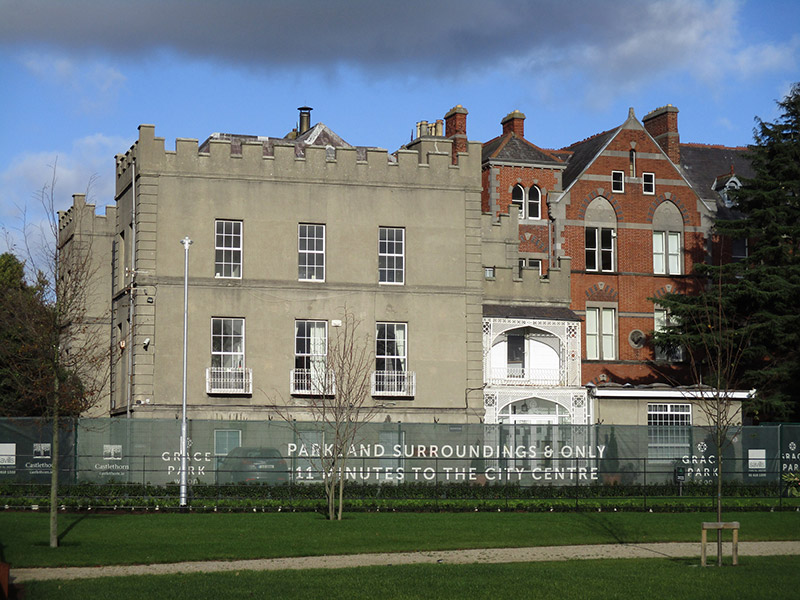 St. Joseph's School for Children with Visual Impcastle/fortified house · 17 yd
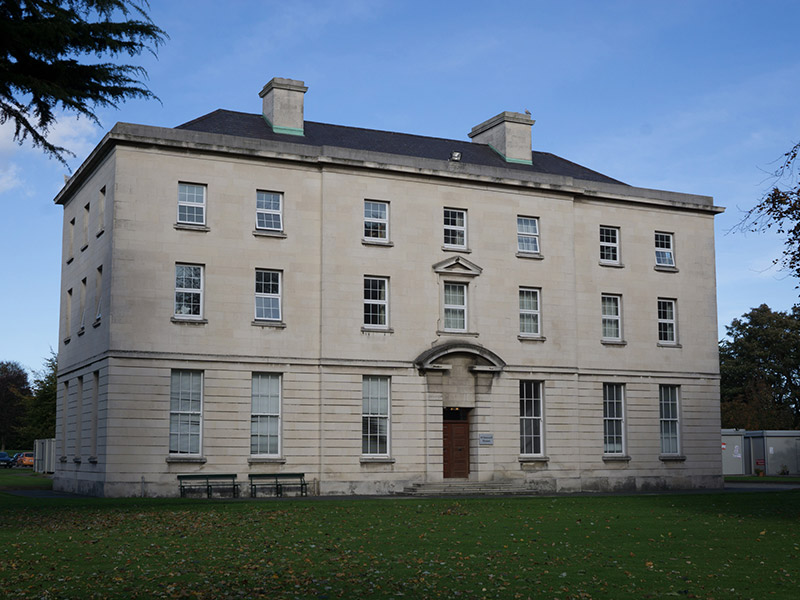 All Hallows College (O'Donnell House)hall of residence · 195 yd
 Grave yd.Graveyard · 281 yd
 Saint John's WellSpring · 337 yd
 DCUVisitor information · 521 yd
 Leabharlann LibraryVisitor information · 851 yd
 Killing of David Byrnemurder · 958 yd
 St. Catherines WellHoly well · 962 yd
 Hampstead CastleCastle, unclassified · 1666 yd
 Graveyard in Unknown TownlandGraveyard · 1703 yd
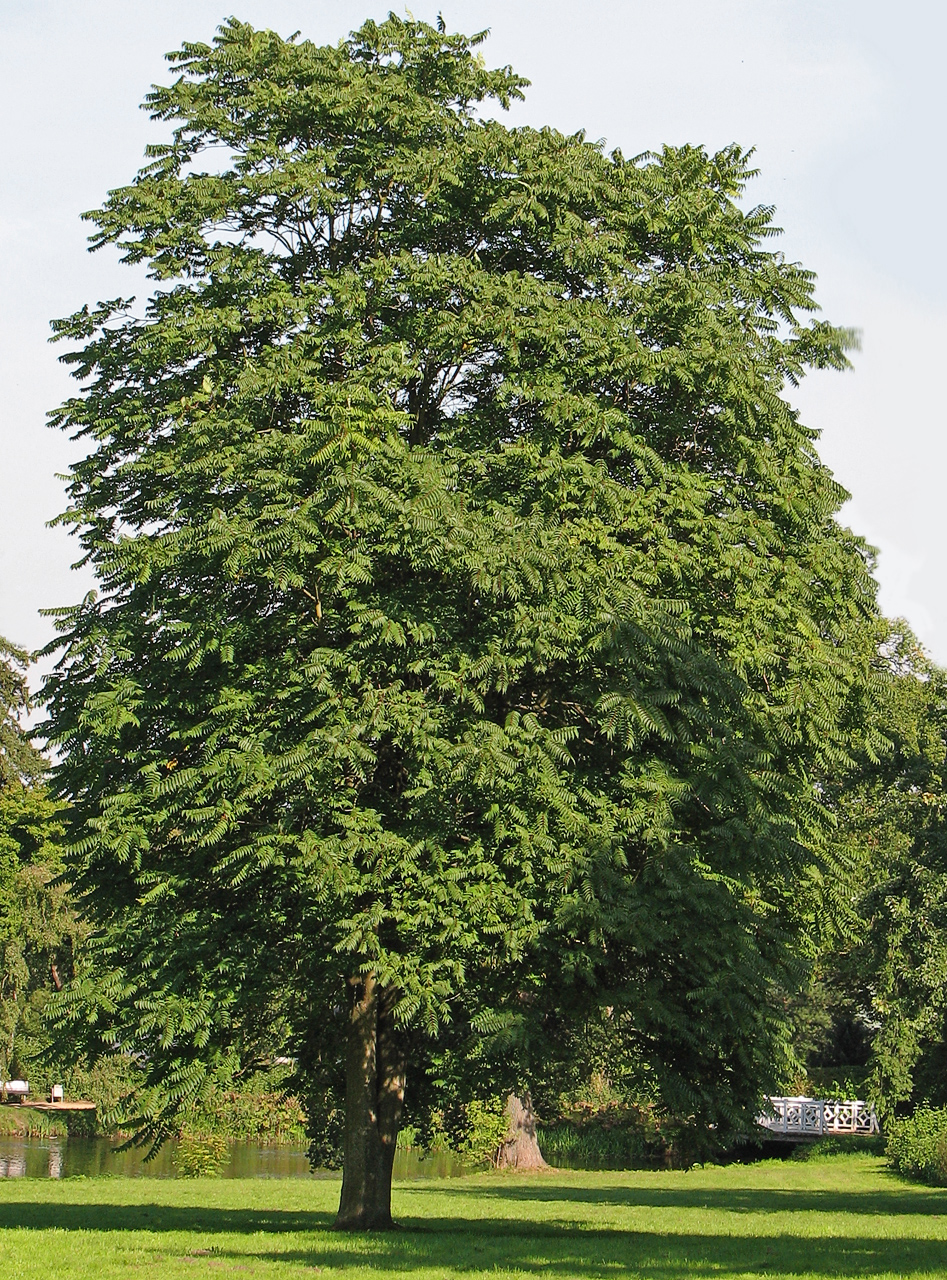 Tree of HeavenTree of Heaven · 1731 yd
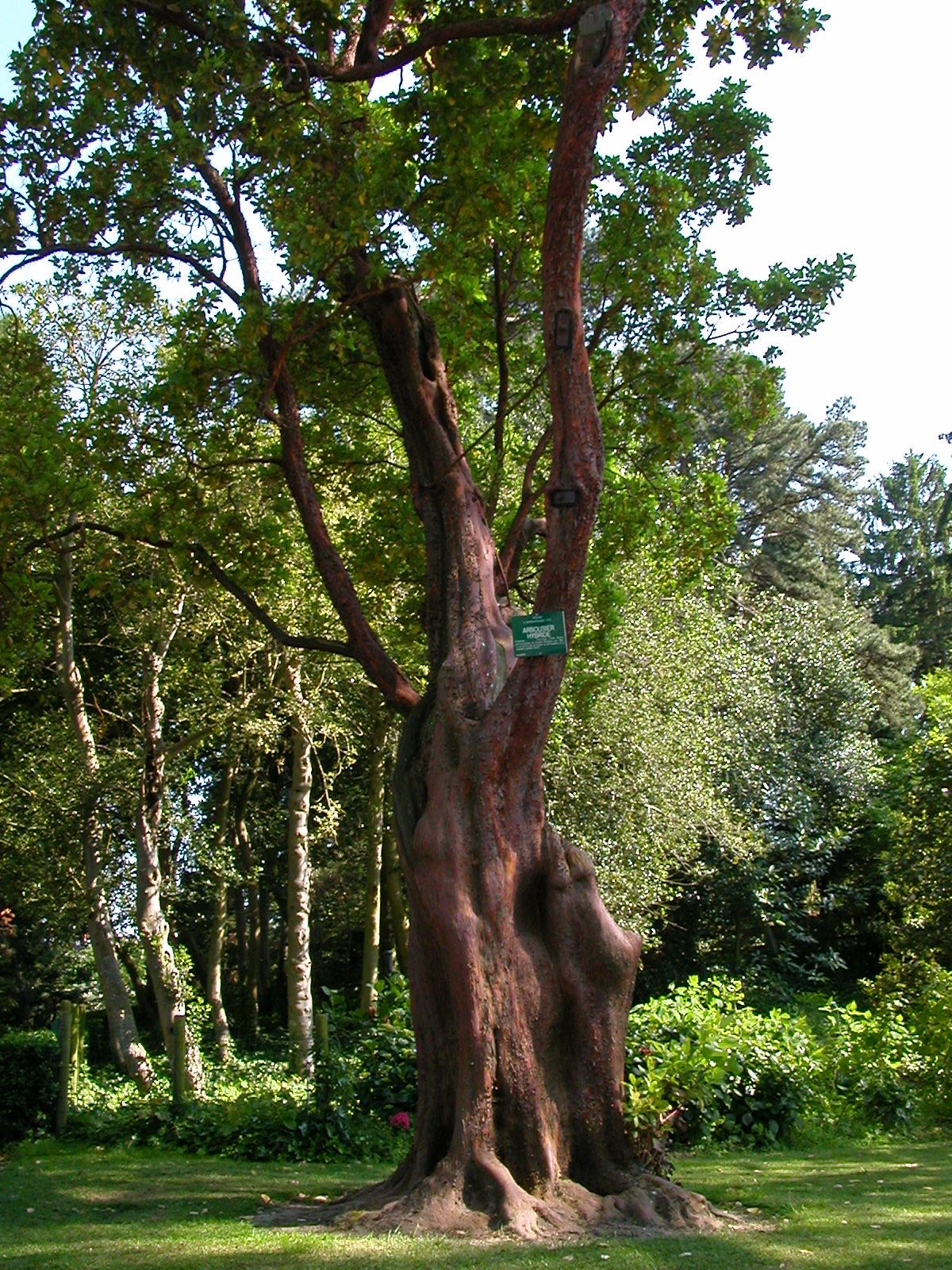 Hybrid strawberry treeHybrid strawberry tree · 1.0 mi
Other information
Photo: Credit not shown in the picture search · Rights wording not checked; contact us if this picture should be removed