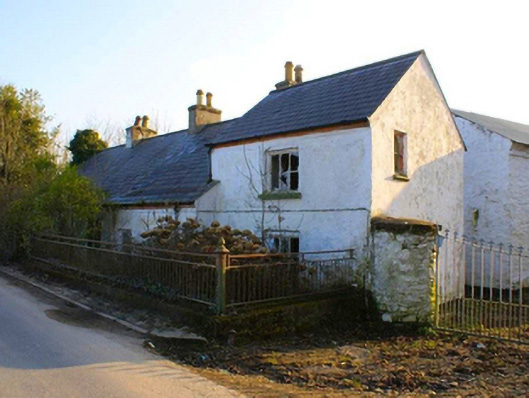
What is recorded here
Detached five-bay single-storey house, built c. 1820, having single-bay two-storey addition to the west end (west), c. 1870. Now out of use and derelict. Pitched natural slate roof with projecting eaves course, cast-iron rainwater goods, and with four rendered chimneystacks (one to either gable end of original…
Read the whole record
From the Buildings of Ireland (National Inventory of Architectural Heritage) record 40905454
Places near here
Photo credits
- National Inventory of Architectural Heritage
- Steven Brown, Geograph · CC BY-SA 2.0
- Ian S, Geograph · CC BY-SA 2.0
- Sitomon, Wikimedia Commons · CC BY-SA 2.0
- Eeno11, Wikimedia Commons · CC BY-SA 3.0
- Kenneth Allen, Geograph · CC BY-SA 2.0
- P L Chadwick, Geograph · CC BY-SA 2.0
- Andreas F. Borchert, Wikimedia Commons · CC BY-SA 4.0
- Kenneth Allen, Wikimedia Commons · CC BY-SA 2.0
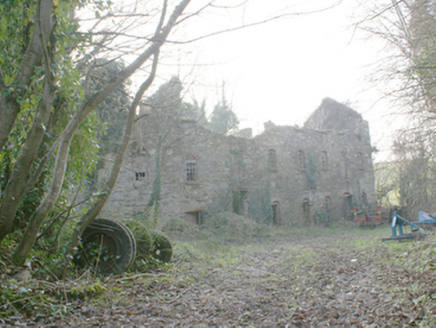 Pluck MillsMill (water) · 58 yd
Explorer Tom Pluck Mills is a derelict corn mill with collapsed roofs, but its red brick voussoirs still show off the engineering skills of the mid-nineteenth century.
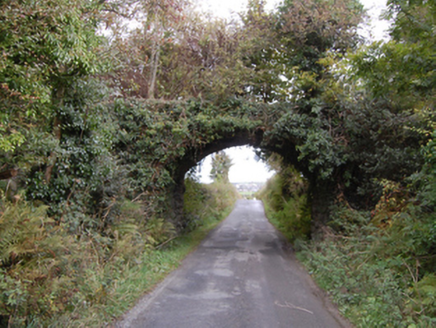 bridge399 yd
Explorer Tom Bridge in Pluck used to carry a tiny narrow-gauge train right across that wide country gap. I picture the little engine puffing smoke like a grumpy grandpa, convinced it was the only vehicle important enough to cross the road.
 CastleCastle, unclassified · 1.4 mi
Explorer Tom We’ve hit a blank page with this Castle in Kincraigy, as the official record hasn’t uploaded any details yet. I like to think it’s been waiting for a curious explorer like you to find its secret story, so let your imagination do the heavy lifting here.
 Mount Errigal HotelHotel · 2.9 mi
Explorer Tom Mount Errigal Hotel sits on a mountain pretending to be humble. Three stars? I'd give it four just for the view of me being stuck up there!
 PoleStar MonumentHeritage attraction · 3.0 mi
Explorer Tom PoleStar Monument shines in Letterkenny, a heritage beacon guiding spirits through County Donegal’s night skies.
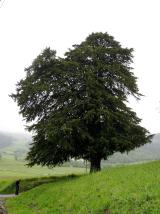 European Yew3.2 mi
Explorer Tom Meet this ancient European Yew in Donegal, where permission might be the key to its mysterious charm.
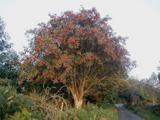 Rowan3.3 mi
Explorer Tom This Rowan tree in Donegal is a classic, possibly needing permission to admire its red berries up close.
 Mongorry HillMountain / peak · 3.4 mi
Explorer Tom Ah, Mongorry Hill in County Donegal! The old maps say this is a proper mountain peak, so I'd bet it's the sort of spot that looks best when you're looking eastwards at the sunrise.
 CostaCafé · 3.5 mi
Explorer Tom Costa in Letterkenny is selling coffee that wakes up the dead faster than a shock. Grab a latte before they change their hours and lock you out!
 Cathedral4.9 mi
Explorer Tom Cathedral in Raphoe Townparks is a palimpsest of history, with 9th-century carvings hiding inside its modern walls. Adomnán himself was linked to this monastery back in the 7th century, so that ground has seen more than just your average Sunday service.
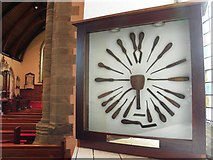 Cathedral in Raphoe TownparksCathedral · 4.9 mi
Explorer Tom Cathedral in Raphoe Townparks hides a 9th-century lintel right under your nose. It depicts St. Peter chopping an ear off, which is a bit of a violent detail for a church entrance, but it proves this spot has been holy chaos for over a millennium.
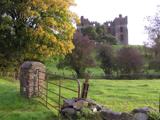 PalaceHouse, fortified house · 5.0 mi
Explorer Tom The Palace in Raphoe Demesne is a ghost with a very specific birth year of 1637. Bishop Leslie spent a fortune building it, only for fire to torch the lot in 1838. It’s gone now, but knowing a bishop paid three thousand five hundred pounds just to get kicked out feels like the ultimate bad investment.
More historic places in County Donegal · All of County Donegal
What do you know about this place?Tap to add a comment or ask a question