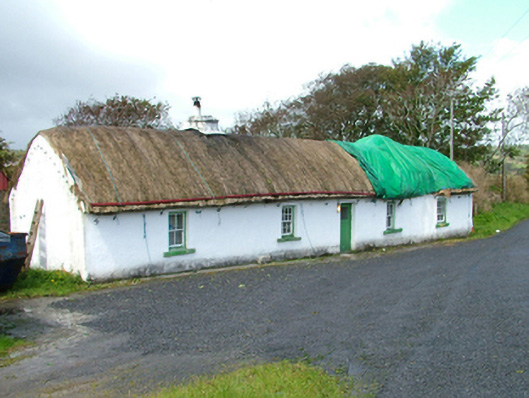
What is recorded here
Detached five-bay single-storey vernacular house, built c. 1860 and extended c. 1900, having return to the rear (west). Pitched/domed straw thatched roof having metal pegs below eaves level and to gable ends for securing ropes over thatch, and having two rendered chimneystacks. Smooth rendered rubble stone…
Read the whole record
From the Buildings of Ireland (National Inventory of Architectural Heritage) record 40909205
Places near here
Photo credits
- National Inventory of Architectural Heritage
- louise price, Geograph · CC BY-SA 2.0
- C Michael Hogan, Wikimedia Commons · CC BY-SA 2.0
- louise price, Wikimedia Commons · CC BY-SA 2.0
- EecherplazGinkgo06.jpg : Cayambe derivative work: Ginkgotree ( talk ), Wikimedia Commons · CC BY-SA 3.0
- Ronnie Nijboer, Wikimedia Commons · CC0
- Kenneth Allen, Wikimedia Commons · CC BY-SA 2.0
- Kenneth Allen, Geograph · CC BY-SA 2.0
- Andreas F. Borchert, Wikimedia Commons · CC BY-SA 4.0
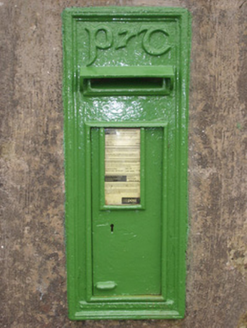 post box1290 yd
Explorer Tom Post box in Croagh is wearing its Gaelic script like a fancy hat from the 40s. It’s basically a time capsule that only holds stamps. Give it a little pat and see if it winks at you!
 Bridge CottageHouse · 1.9 mi
Explorer Tom Bridge Cottage in Casheltown is rocking a thatch roof that’s rarer than my ex’s patience. It’s a proper vernacular gem north of Dunkineely, so if you spot that straw, give it a little wave before the wind takes your hat.
 Drumlaghtafin HillMountain / peak · 2.0 mi
Explorer Tom Drumlaghtafin Hill sits quietly between Leagans Hill and the Gortnalagan townland, keeping its access details firmly under wraps. The name is such a mouthful that I suspect it’s just trying to trip up anyone brave enough to attempt a pronunciation challenge without a map.
 Cashel Town Wedge TombsWedge tomb · 2.3 mi
Explorer Tom Cashel Town Wedge Tombs are unique because three galleries sit side-by-side in a single circular kerb. One roofstone is four metres long, and locals once found giant human bones here, which is either brilliant or terrifying.
 Carraduffy / Killin Court TombCourt tomb · 2.8 mi
Explorer Tom Carraduffy / Killin Court Tomb is mostly a grassy hump with one solitary upright stone standing guard. The rest was demolished long ago, but old maps called it a Giant's Grave or even a friars' house. It’s a bit of a letdown now, but that lone slab makes you wonder what the full structure used to look like.
 Killin HillMountain / peak · 2.9 mi
Explorer Tom Killin Hill sits in County Donegal, recorded as a peak with access details that remain completely unknown. The caption mentions it is three kilometres from Frosses, which makes me wonder if the hill is just hiding behind its neighbour to avoid being found.
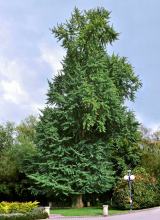 Ginkgo3.2 mi
Explorer Tom Ginkgo in County Donegal is basically a dinosaur wearing a leafy coat, surviving things that would kill other trees instantly. It’s exotic, weird, and definitely not what you’d expect to find in Donegal. Pack a picnic and an excuse for why you’re talking to a tree so loudly.
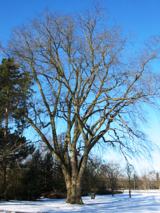 Wych Elm3.3 mi
Explorer Tom Wych Elm number three in County Donegal is trying to look dignified despite the wind pulling at its leaves. It needs permission to sway without falling over. Tell it to hold it together for the camera, champ.
 Killaghtee Old Church GraveyardGraveyard · 3.9 mi
Explorer Tom Killaghtee Old Church Graveyard sits beside the old church; inside the graveyard, southwest of that church, the survey records a cross-inscribed slab. The Civil Survey called the church 'in reparation', and it remained in use until 1826. I like how one small mapped area holds separate records for the graveyard, church and stone.
 Tara HotelHotel · 5.1 mi
Explorer Tom Tara Hotel in Killybegs is probably where some forgotten hero saved it from a tidal wave nobody else remembers. The Wi-Fi might be slow, but the stories fly faster than a gull on Main Street. Walk past slowly like you're in a film.
 MellysRestaurant · 5.1 mi
Explorer Tom Mellys serves fish and chips, which is basically a hug from the sea with a grudge against the rain. Wrap it tight so the salt doesn’t ruin your phone case. Stand back, squint, and it looks like a castle.
 Cat CastleCastle, tower house · 5.5 mi
Explorer Tom Cat Castle is named after St. Catherine, but really it’s just a tiny stone corner standing on a hill above Killybegs Harbour. It’s been shrinking since 1355, and now only a 3-metre wall survives. It’s a bit pathetic, sure, but looking out over the harbour makes you wonder what that bishop’s manor looked like when it was whole.
More historic places in County Donegal · All of County Donegal

What do you know about this place?Tap to add a comment or ask a question