Places near here
Photo credits
- National Inventory of Architectural Heritage
- 瑞丽江的河水, Wikimedia Commons · CC BY-SA 4.0
- Mike Searle, Geograph · CC BY-SA 2.0
- AndreasDelp, Wikimedia Commons · CC BY-SA 4.0
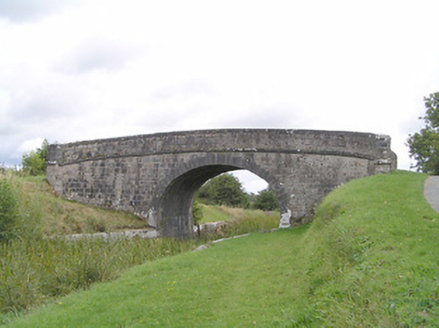 Farranyoogan BridgeBridge · 488 yd
Explorer Tom Farranyoogan Bridge in County Longford would ace a job interview by claiming it's made of pure confidence and granite. It’s basically a stone ego trip from the 1800s that refuses to crack under pressure. Look serious, nod slowly.
 bridge1110 yd
Explorer Tom Bridge in Townparks is telling tall tales about Vikings getting lost because they didn’t read the map properly. It’s made of rock-faced limestone that looks like it was carved by a very angry sculptor, and it’s been standing there since 1855 looking grumpy. Nod to it if you can see the rust on the rails.
Burnt spread in MullaghavorneenBurnt spread · 1112 ydExplorer Tom This other Burnt spread in Mullaghavorneen is suspicious of the postman because he left a letter from its ex. It’s just burnt soil acting like it's a celebrity. If it's closed, admire it from the road like a polite stalker.
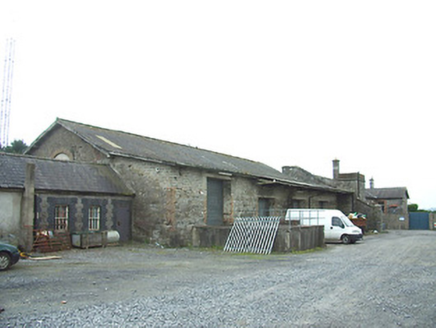 Longford Railway StationGoods shed · 1185 yd
Explorer Tom Longford Railway Station's goods shed has round holes that look like it’s been punched in the face. The local sheep probably think it’s just another big rock to lean on. Pretend you're a lost aristocrat, it’s very convincing if you squint.
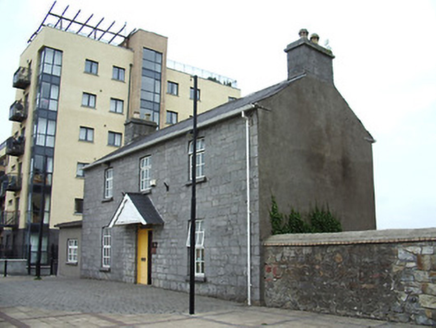 Harbour HouseHarbour master's house · 1288 yd
Explorer Tom Harbour House gave up chocolate for Lent last year because the harbour master found it too sweet. It used to run a canal, so it’s seen things your GPS can’t even track down. Bring a coin for luck and keep it for the next bad day.
 First World War MemorialMemorial · 1422 yd
Explorer Tom First World War Memorial in Longford refuses to fall down because it’s holding its breath, waiting for someone to notice how impressive it is. It’s stubborn like a mule that knows it’s right, even if you can’t see why. Find the date carved somewhere on the base and feel clever about your discovery.
Fulacht fia in MullaghavorneenFulacht fia · 1480 ydExplorer Tom The Fulacht fia in Mullaghavorneen, County Longford refuses to fall down because it is waiting for someone to bring the right kind of stew. It’s been sitting there with its mouth open, patiently guarding its spot for thousands of years without any complaint at all. Take a breath of that air, it's older than your car.
 Saint Mel's CathedralCathedral · 1659 yd
Explorer Tom Saint Mel's Cathedral in County Longford refuses to fall down because it’s too stubborn to admit it was built by anyone other than itself. It just keeps standing there, judging everyone’s posture and making sure nobody dares to lean against its ancient walls without paying a small fee in respect. Bring a coin for luck and keep it in your pocket.
Bawn in AbbeycartronBawn · 1.1 miExplorer Tom Bawn in Abbeycartron has massive opinions on modern architecture, mostly that your house looks like a cardboard box held together with hope. It’s the ideal spot for a dramatic phone call about your ex’s new haircut. Keep your eyes peeled for pitch-stained ladders.
Graveyard in Curry (ardagh By., Coolamber Ed)Graveyard · 1.9 miExplorer Tom Graveyard in Curry would use a lotto win to buy more headstones for all those who haven't had one yet. It sits in level pasture with a Church of Ireland church that has been there since 1826. Go on a wet day, it suits the mood perfectly.
 Rathcline CastleHouse, fortified house · 9.1 mi
Explorer Tom Rathcline Castle: The weather has had a long grudge against this place, probably since the Duttons moved in. It’s just one stubborn wall holding its tongue about what happened next. Stand where the owner stood and practise looking smug.
 InchcleraunIsland · 12 mi
Explorer Tom Inchcleraun has two names, a monastery and enough legend to keep me talking well beyond the boat ride. It lies in Lough Ree between Roscommon and Longford, covering about fifty-eight hectares. Saint Diarmaid's community was founded around 560, leaving ruins now protected as a national monument. The Irish name points to Clothru, a queen in story, and Maeve also gets a chapter in the island's folklore. I would settle their argument over who owned the best view, but it is wiser to separate tales from surviving stone. There is no road across the lake; arrange a permitted boat, confirm landing and return, and respect the old religious ground. Look back at both shores once you arrive. The island sits between counties and between several very different kinds of history.
More historic places in County Longford · All of County Longford

What do you know about this place?Tap to add a comment or ask a question