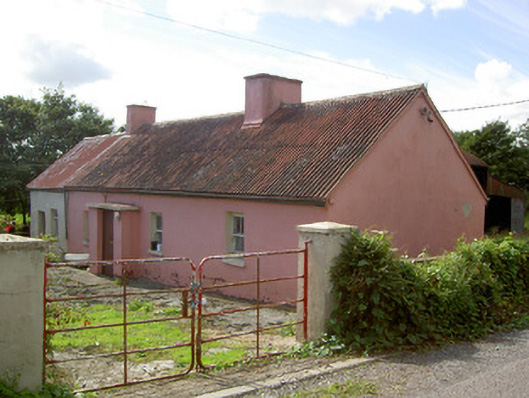
What is recorded here
Detached four-bay single-storey vernacular house, built c. 1870, having windbreak to front elevation (southeast) and two-bay single-storey outbuilding attached to the southwest gable end (aligned with building). Pitched corrugated-metal roof with two rendered chimneystacks and cast-iron rainwater goods. Flat-roof to windbreak. Painted smooth rendered walls. Square-headed window openings with rendered sills and two-over-two timber sliding sash windows. Square-headed door opening to porch with timber battened door. Complex of single-storey outbuildings to site having corrugated-metal roofs, roughcast rendered walls, and square-headed openings with timber battened doors and timber casement windows. Corrugated-metal barn to rear. Set in own grounds with gable end adjacent to road, having yard and outbuildings to front (southeast). Rendered gate piers (on square-plan) to entrance. Located to the west/northwest of Granard.
This modest vernacular house survives in good condition and represents a good example of its type. Modest in scale and form, this house exhibits the simple and functional form of traditional vernacular building in Ireland. The retention of the timber sash windows further contribute to the architectural significance of this vernacular building. The corrugated-metal roof suggests that this building was formerly thatched. This building is arranged at a right-angle to a road alignment, which is a characteristic feature of the Irish vernacular tradition. The position of the chimneystacks and the irregular spacing of the window openings suggest that this building was extended to the north end by a bay at some stage. The complex of single-storey outbuildings to the southeast are in good condition and add considerably to the setting of the house. It is interesting that the complex of outbuildings form a courtyard to the front of the house rather than to the rear. This is in contrast to what is more commonly found with larger farmhouses and houses with more formal architectural aspirations. Vernacular structures are becoming increasingly rare in both urban and rural areas in Ireland, making this an important survival.
This does not grant access. Most recorded buildings are privately owned; view them only from public ground unless the owner allows entry.
Places near here
 BawnBawn · 508 yd
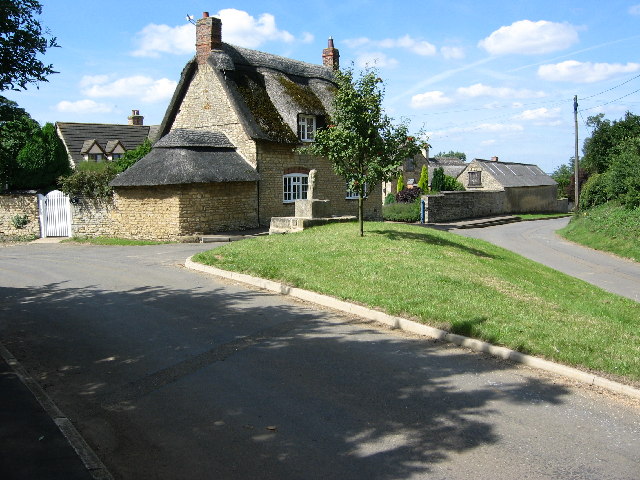 BarrowBarrow, unclassified · 754 yd
 Water millWater mill, unclassified · 1089 yd
 Lismacaffry FortFairy fort / earthen ringfort · 1149 yd
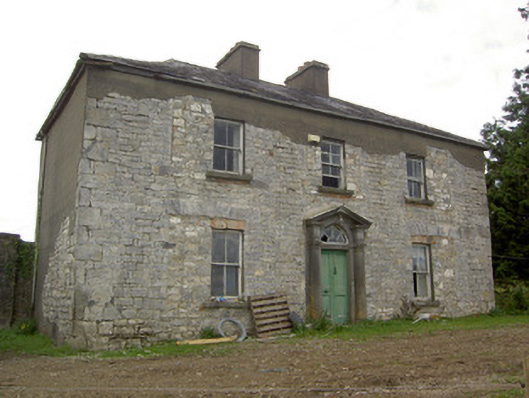 Ballinlough Househouse · 1180 yd
 Cloonfin WoodForest · 1.2 mi
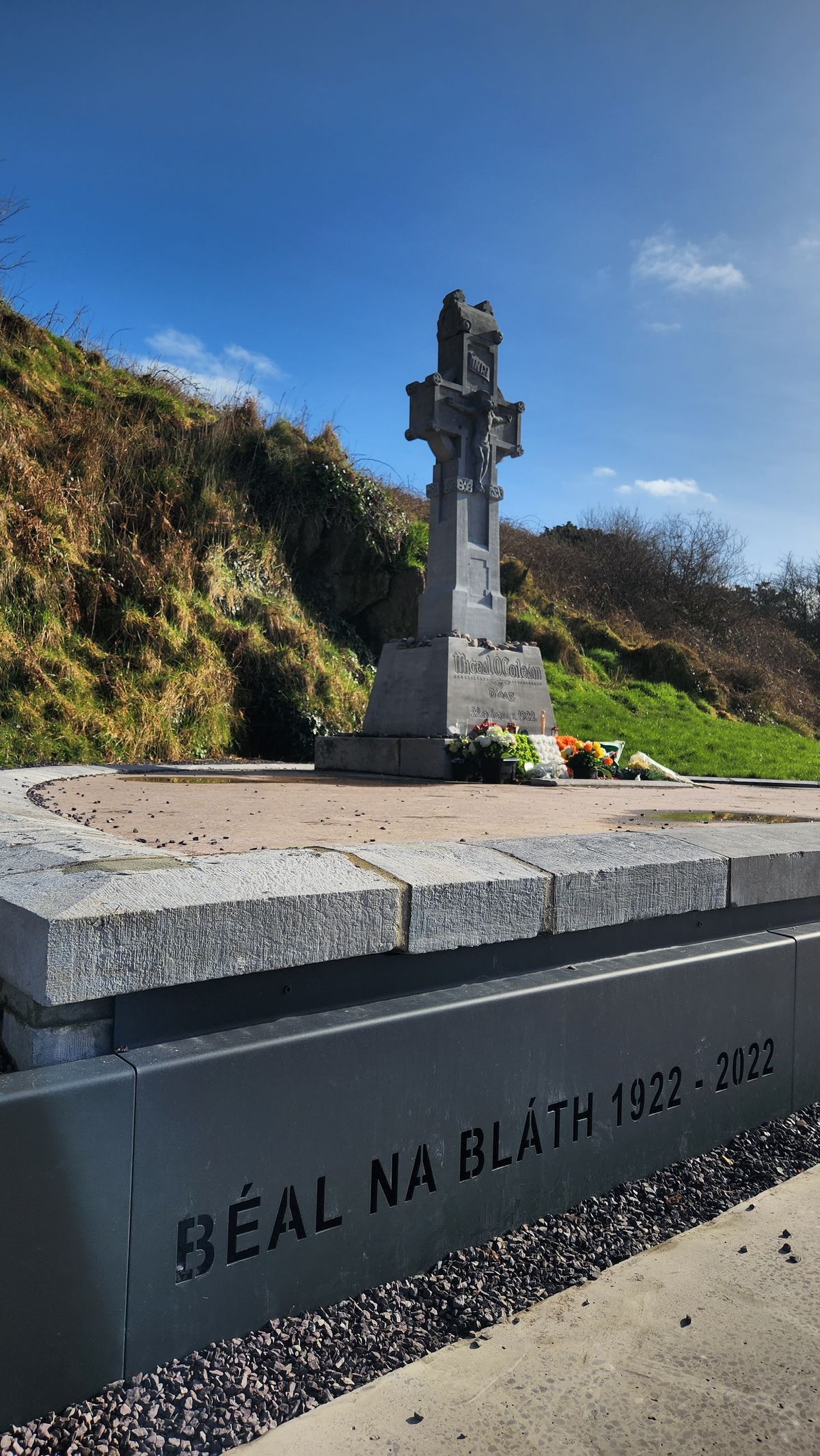 Clonfin Ambush MemorialMemorial · 1.8 mi
 InchmoreIslet · 2.7 mi
 CastleCastle, unclassified · 2.8 mi
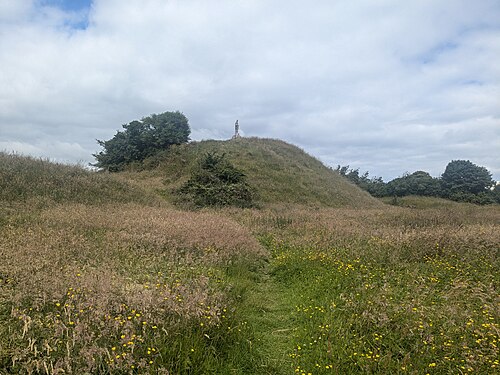 Granard MotteMotte-and-bailey castle remains · 2.8 mi
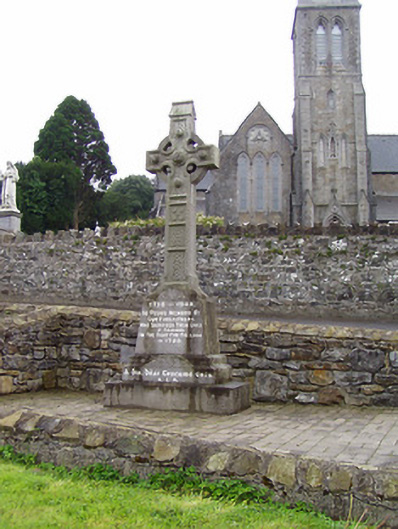 1798 Monumentmonument · 2.8 mi
 Derrycassan WoodsWood · 3.1 mi
Other information
Photo: National Inventory of Architectural Heritage · Website use allowed for educational or private purposes with source credit