Places near here
Photo credits
- National Inventory of Architectural Heritage
- Garry Dickinson, Geograph · CC BY-SA 2.0
- Andreas F. Borchert, Wikimedia Commons · CC BY-SA 4.0
- Robin Pollard, Wikimedia Commons · CC BY 3.0
- Malene Thyssen, Wikimedia Commons · CC BY-SA 3.0
- James Allan, Wikimedia Commons · CC BY-SA 2.0
- Alvesgaspar, Wikimedia Commons · CC BY-SA 3.0
- Ilja Klutman from Ballinakill, Ireland, Wikimedia Commons · CC BY-SA 2.0
- DiggingSpace, Wikimedia Commons · CC BY-SA 4.0
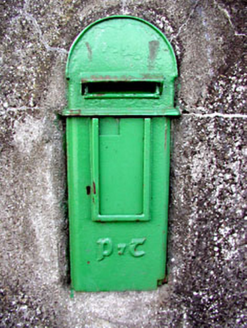 post box25 yd
Explorer Tom The Post box in Anneville swears it’s actually from the Roman Empire but lost its paperwork. It’s got that Gaelic lettering going on, which is pretty cool if you squint. Tell your mates you found a time capsule.
 CastleCastle, motte · 168 yd
Explorer Tom This motte in Anneville is basically a giant grassy donut waiting for Saint Patrick to come back and critique its landscaping. He’d probably say it’s too fancy for his taste, but I’m sure he’s wrong. Go in good boots and better humour, mate.
 Site of AbbeyChurch · 173 yd
Explorer Tom Site of Abbey in Anneville or Clonard Old would complain to the council about how many students St. Finnian actually graduated. Twelve apostles? Give me a break, that’s just wishful thinking by medieval PR guys. Tell it a joke, it's been a long time since anyone did.
 Saint Finian's Church (Clonard)Church/chapel · 174 yd
Explorer Tom Saint Finian's Church (Clonard) made a New Year's resolution to stop being this old and hasn't kept it for centuries. The stone here is so skilled it basically shows off at parties. Bring a friend who talks too mu
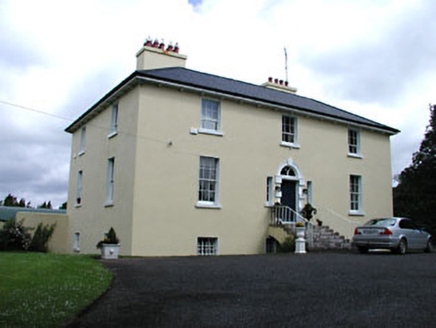 Glebe HouseRectory/glebe/vicarage/curate's house · 422 yd
Explorer Tom Glebe House on Church Hill must have taken thousands of cups of tea to build all that carved stone detail. It’s symmetrical and polite, which is exactly what you want from a vicarage. Take the long way round to see the sash windows properly.
 Font (present location) in TowlaghtFont (present location) · 806 yd
Explorer Tom Font in Towlaght was moved from an old church to St Finian's in 1991. It’s carved with biblical scenes and looks like it has seen better days. It's free, it's odd, what more do you want?
 Croppies' GraveMemorial · 1.0 mi
Explorer Tom Croppies' Grave marks where rebels fell, and someone wrote a terrible poem about it that rhymed 'blood' with 'mud'. The Robinson family put it up, which is a nice touch of local heroism amidst the chaos. Go now, before it gets famous and starts charging entry fees.
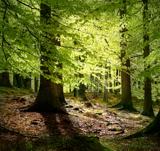 European Beech3.9 mi
Explorer Tom European Beech in County Meath is sick of people asking if it talks to the other trees; yes, they gossip, shut up. It’s got that tired look of someone who’s heard every question before. Bring a flask of something warm and a story to swap.
 Donore CastleCastle · 4.0 mi
Explorer Tom Donore Castle is in a bitter feud with the next village over something as daft as a missing fence post. They’ve stopped speaking for centuries, mostly out of sheer stubbornness rather than any real grievance. It’s the kind of grudge that only gets worse at parties. Ideal for a moody photo you'll pretend wasn't posed.
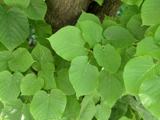 Common Lime4.0 mi
Explorer Tom Common Lime in County Meath once hid a crate of smuggled whiskey in its roots during a particularly rainy century. The bark still smells faintly of rum and bad decisions. Go back in winter, it's a different animal.
 Conolly's FollyHeritage attraction · 19 mi
Explorer Tom Conolly's Folly looks like an obelisk that tried to grow arches and got carried away. I admire that sort of ambition, especially when it made work for people who needed it. Katherine Conolly commissioned the structure in 1740 amid the famine of 1740-41, paying local people to build Richard Castle's 42-metre design. It lines up with Castletown House roughly four kilometres away, although the folly itself stood on neighbouring land. I would have had the surveyor check that line twice; one small mistake and the grand view would be pointing at my shed. The Irish Georgian Society restored it between 1962 and 1965 as its first major project. Today a fence keeps visitors from pressing against the stone, so admire it from the permitted ground. Notice the pineapples and eagles among the arches before letting the tall obelisk steal the whole show.
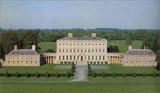 Castletown HouseHeritage attraction · 21 mi
Explorer Tom Castletown House had a fox take charge of the kitchen for three days before anyone noticed. Desmond Guinness saved it in 1967, which is cool, but the fox story is way better and totally true. Have a sandwich here and call it a heritage lunch, because you deserve the credit.
More historic places in County Meath · All of County Meath

What do you know about this place?Tap to add a comment or ask a question