What is recorded here
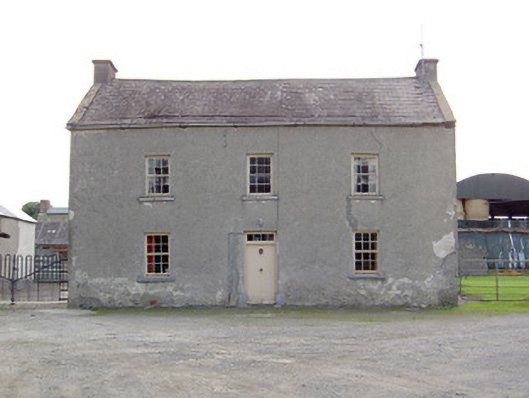
Detached three-bay two-storey house/farmhouse, built c. 1860, having single-storey return to the rear (south). Pitched natural slate roof with raised rendered verges and rendered chimneystacks to gable ends. Cast-iron rainwater goods. Roughcast rendered walls over rubble stone construction. Square-headed window openings with tooled limestone sills and six-over-six pane timber sliding sash windows. Central square-headed door opening having cut stone plinth blocks to base, timber battened door having cast-iron door furniture and with overlight with vertical glazing bars. Cut limestone threshold to front of door. Single-storey return to rear (south) with pitched slate roof, rendered rubble stone walls, and square-headed window openings with six-over-six pane timber sliding sash windows, wrought-iron security bars and tooled limestone sills. Set back from road in own grounds to the south of Abbeyshrule and to the east of Ballymahon. Hooped wrought-iron flat bar gates to the east gable end of house. Single-storey outbuildings arranged around a yard to the rear (south) having pitched natural slate roofs, rubble stone walls, square-headed window and door openings with red brick dressings with timber fittings. Segmental-headed carriage arches to outbuilding to the south having red brick voussoirs to arches. Modern farm buildings to the southwest of site. Long approach avenue to house from avenue to the northwest.
This appealing and quite picturesque small-scale house, of mid nineteenth-century appearance, retains its early form and character. It also retains much of its early fabric including natural slate roof and timber sliding sash windows. This building probably originally had a entrance porch, now removed. The form of this building suggests that it is a vernacular interpretation of the typical three-bay two-storey house with muted classical pretensions, examples of which are a feature of the rural Irish countryside. This well-maintained building is among the more attractive and best preserved examples of its type in County Longford, and is a worthy addition to the built heritage of the local area. Buildings of this type were once a common feature of the Irish rural countryside but are now becoming increasingly rare making this an important survival. The simple single-storey outbuildings and the hooped wrought-iron gates add to this composition and complete the setting.
This does not grant access. Most recorded buildings are privately owned; view them only from public ground unless the owner allows entry.
Places near here
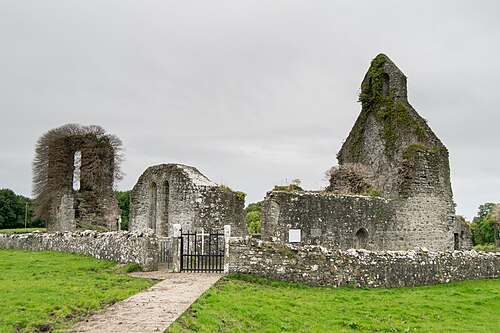 Abbeyshrule AbbeyRuins · 546 yd
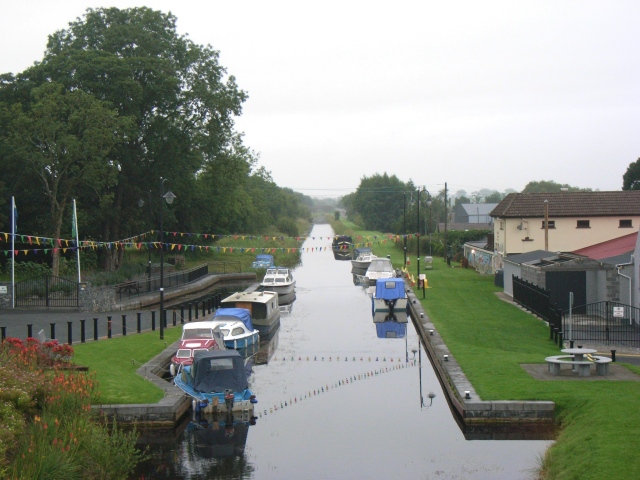 Abbeyshrule (in Ruins)Religious house, Cistercian monks · 571 yd
 Cross in AbbeyshruleCross · 624 yd
 Mound in ClynanMound · 753 yd
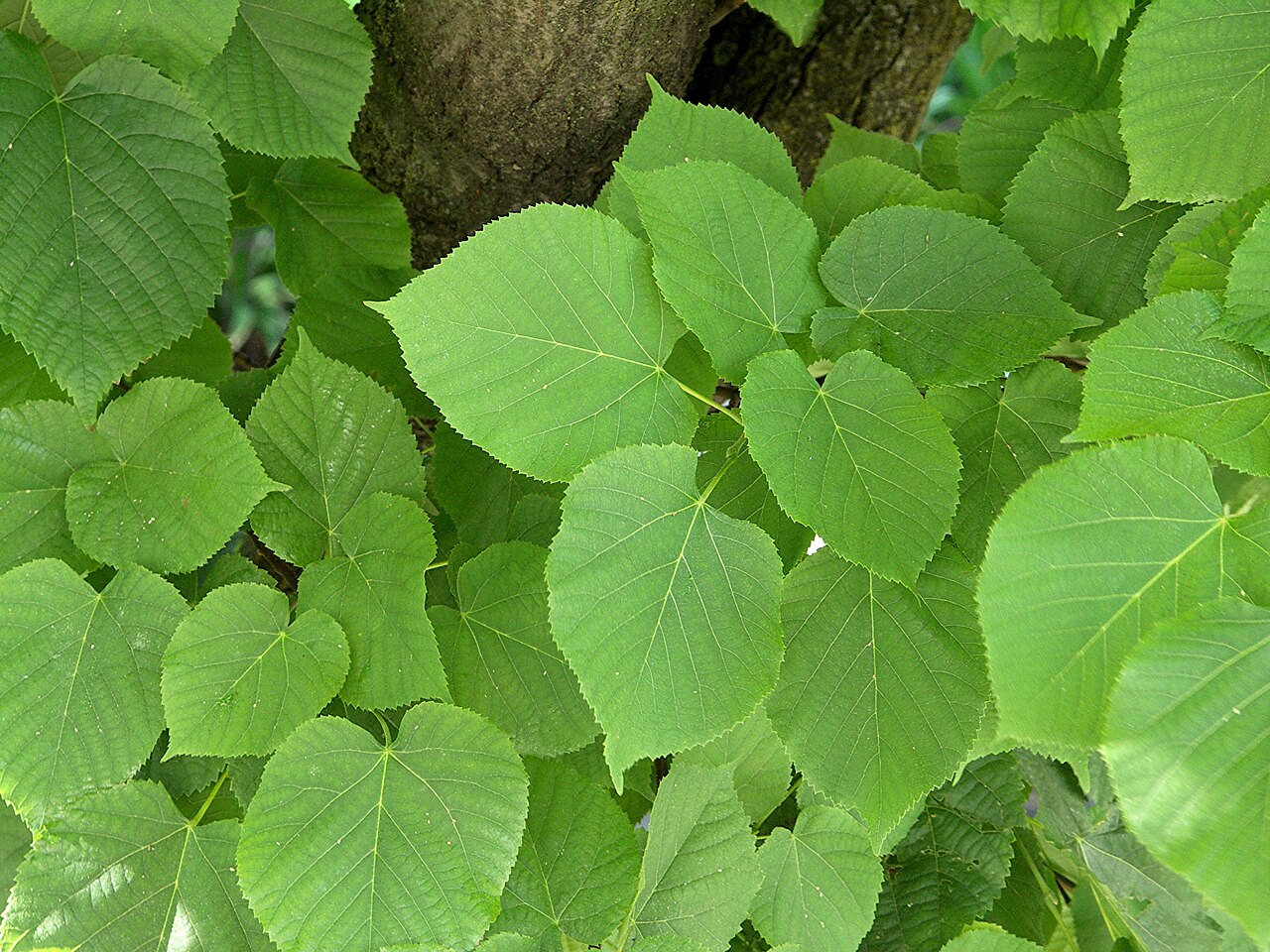 Common LimeCommon Lime · 795 yd
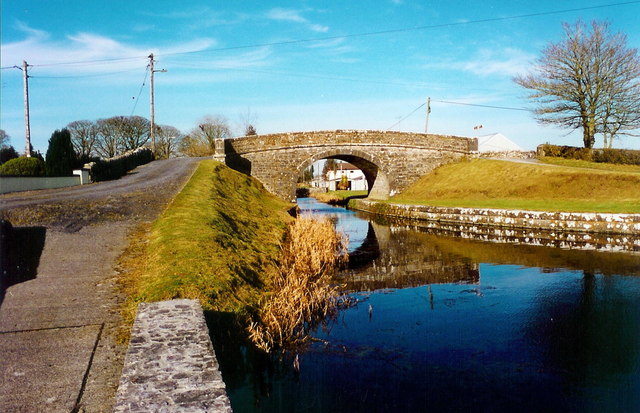 Abbeyshrule Bridgebridge · 871 yd
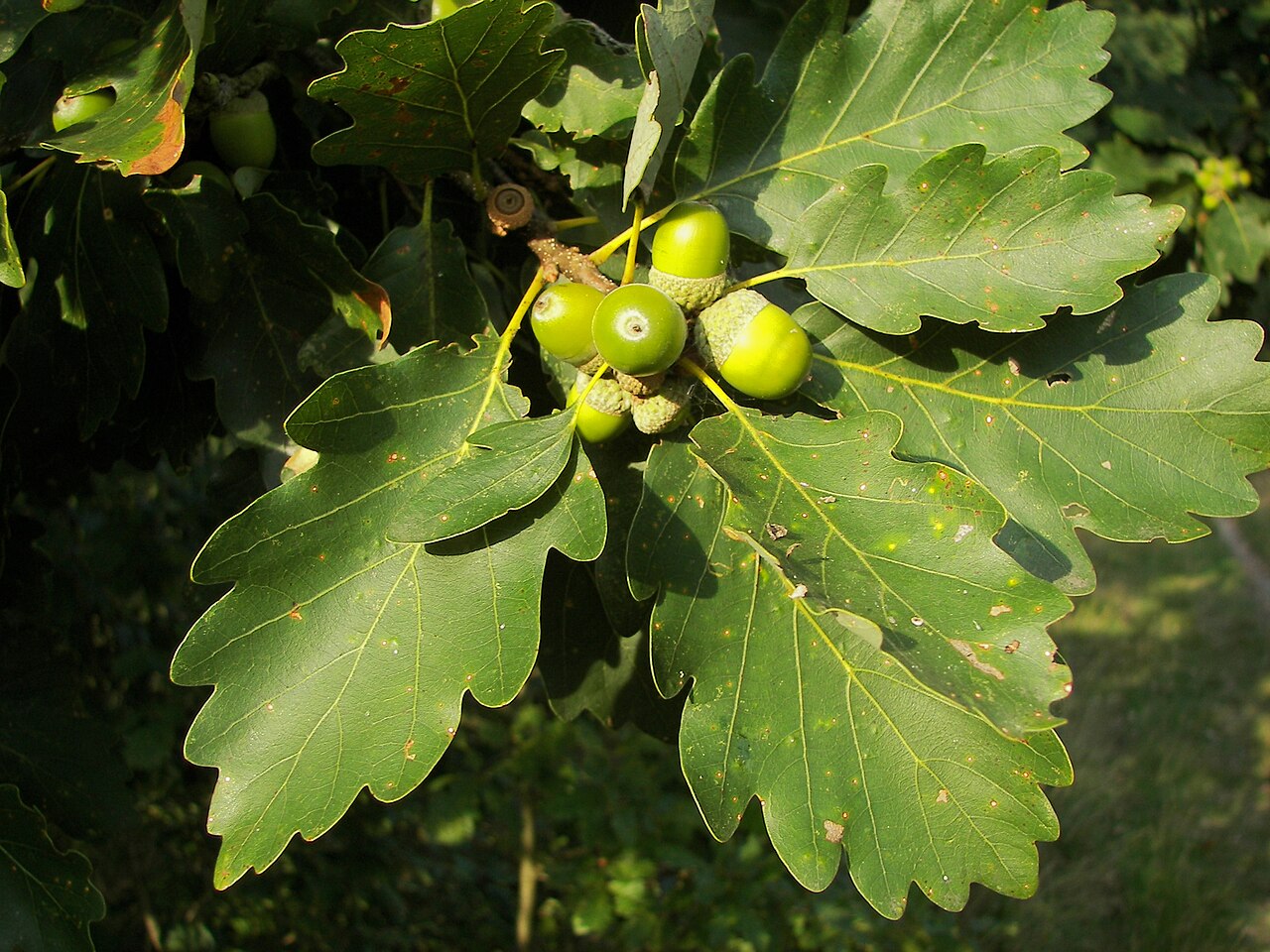 Sessile OakSessile Oak · 1.7 mi
 Goldsmith Birthplace, PallasVisitor information · 2.0 mi
 Craft WorkshopHeritage attraction · 2.2 mi
 Guest ServicesVisitor information · 2.3 mi
 Not locatedCastle, unclassified · 2.9 mi
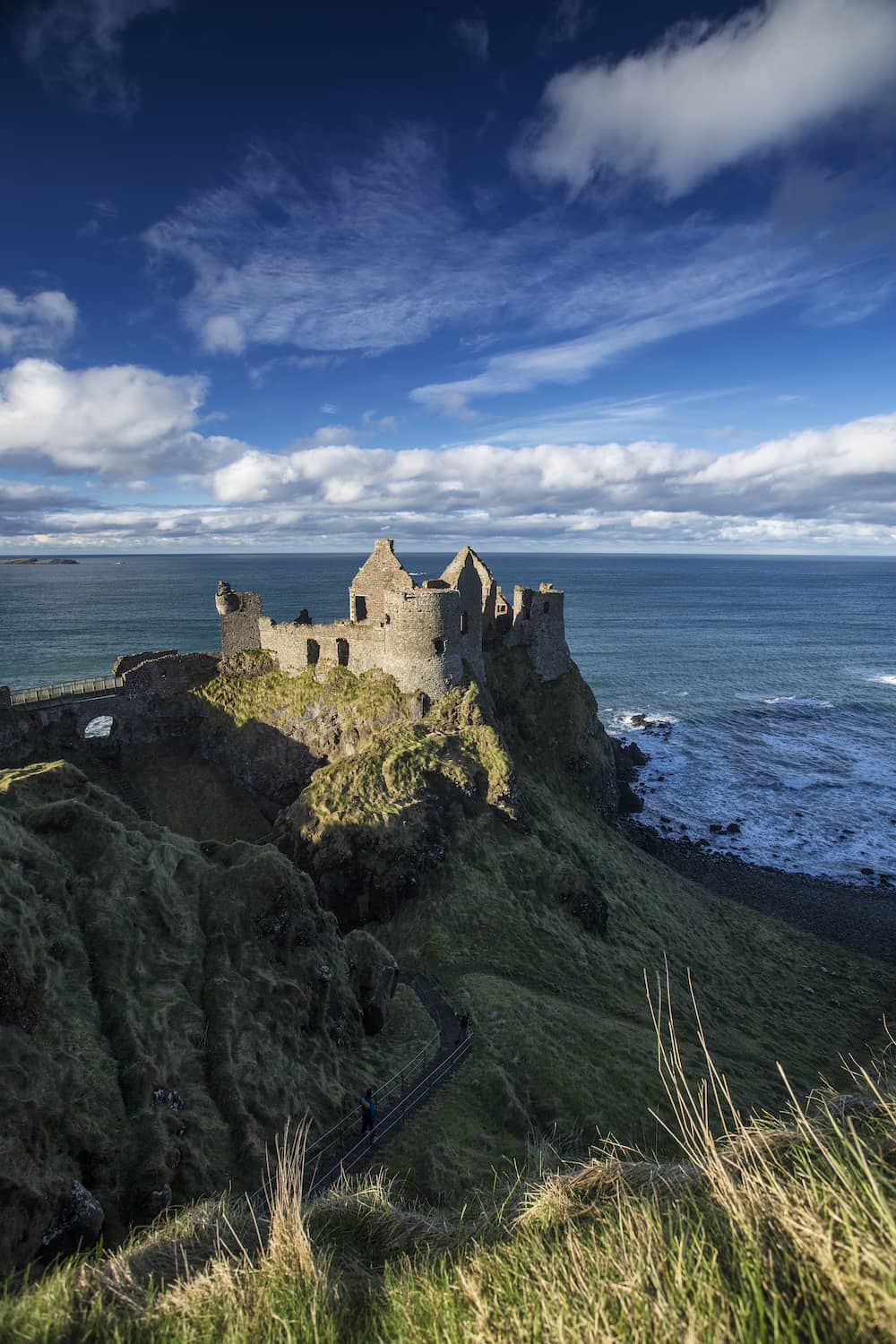 Site of CastleCastle, unclassified · 3.2 mi
Other information
Photo: National Inventory of Architectural Heritage · Website use allowed for educational or private purposes with source credit