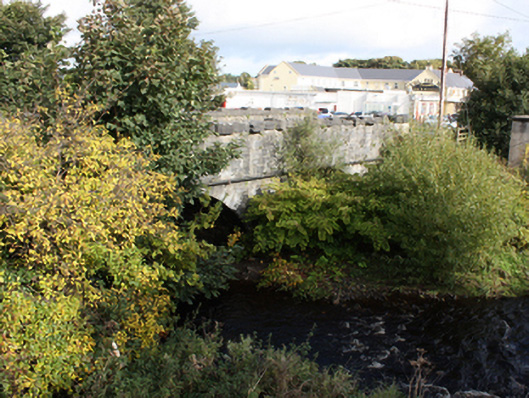
What is recorded here
Triple-arch bridge carrying road over the Glenngannon River, built c. 1800. Central and arch to east currently dry-arches. Segmental-headed arches having dressed ashlar voussoirs; squared and coursed rubble stone masonry to arch barrels with cut stone stringcourse at arch springing points. Squared and coursed\snecked rubble stone construction to piers, abutments, spandrels and parapets; squared crenellated rubble stone coping to parapets. Water pipe fixed to south side of south parapet. Tarmacadam deck with grass verges. Located in the rural countryside to the east of Carndonagh.
This appealing triple-arch bridge retains its early character and form, despite some modifications, and is an appealing feature in the scenic rural landscape to the east of Carndonagh. It is robustly-constructed in local rubble stone masonry, and its continued survival and use stands as testament to the quality of its original construction, and of the skill of the masons involved. This bridge is notable for the high-quality squared rubble stone masonry used in its construction with ashlar voussoirs to the arches and the cut stone stringcourse at the arch spring points. The use of large coping stones over the parapets is a common vernacular detail on bridges in Donegal. This bridge probably dates to the end of the eighteenth century or the first decades of the nineteenth century, a period that saw a great deal of road and bridge-building in Ireland, particularly by the Grand Juries (the forerunners of the County Councils). This appealing bridge is an integral element of the built heritage and transport heritage of the local area, and makes a positive contribution to the landscape.
This does not grant access. Most recorded buildings are privately owned; view them only from public ground unless the owner allows entry.
Places near here
 Carndonagh Courthousecourt house · 631 yd
 Carndonagh Presbyterian Churchchurch/chapel · 715 yd
 Tullanree Western Stone RingfortFairy fort / stone ringfort · 1118 yd
 Carndonagh South Pillar StoneStone sculpture (present location) · 1604 yd
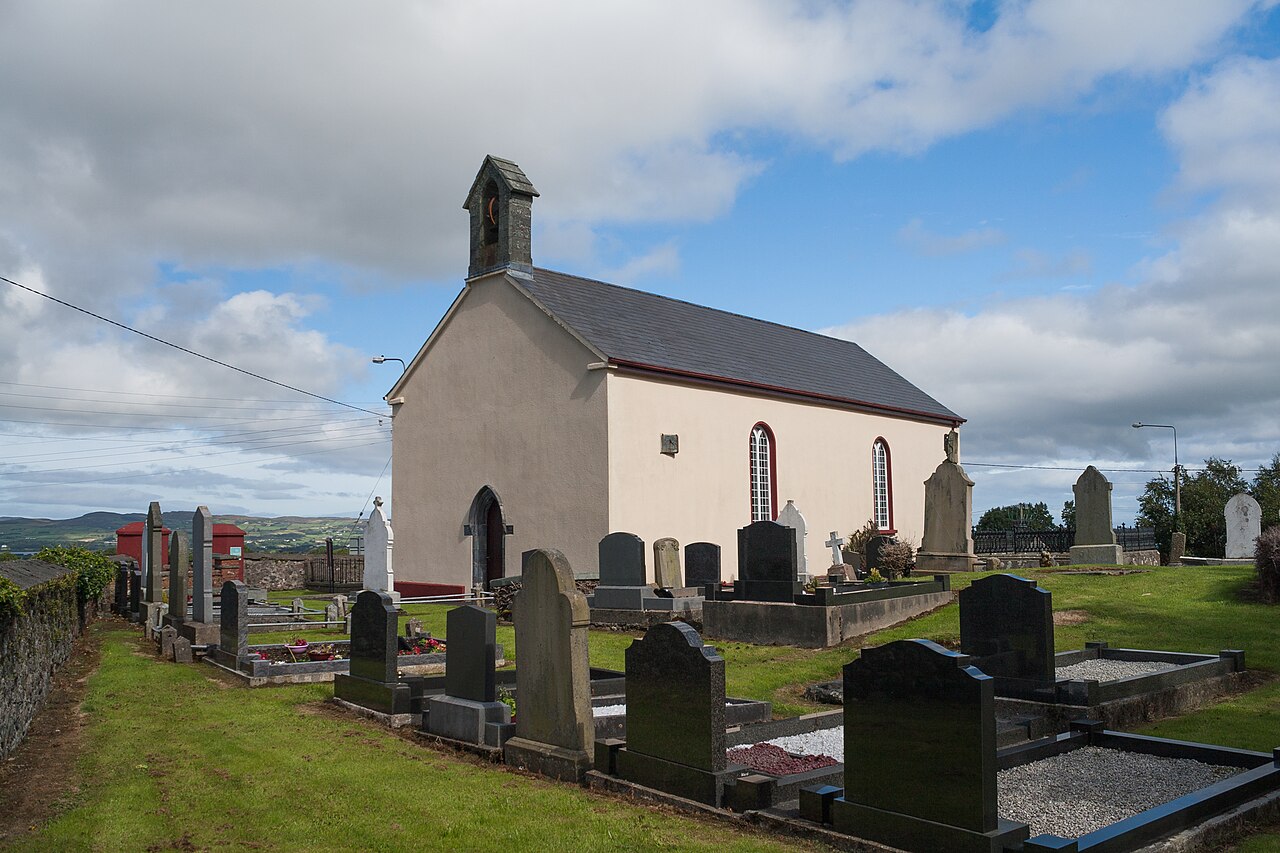 Carndonagh Early Church GraveyardGraveyard · 1642 yd
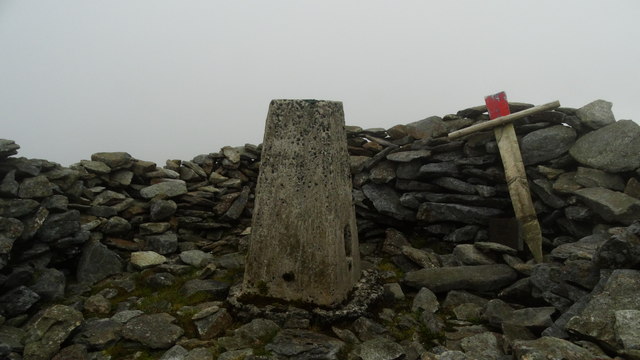 Wee Slieve SnaghtMountain / peak · 4.6 mi
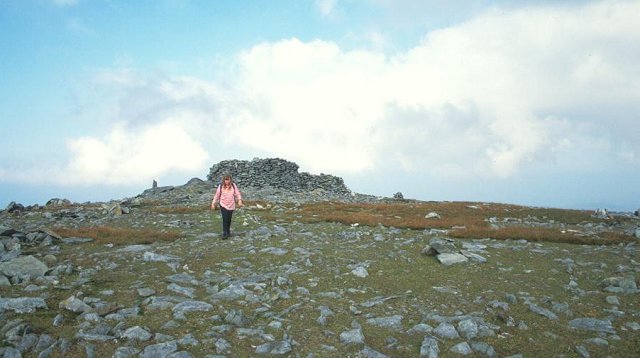 Slieve SnaghtMountain / peak · 5.0 mi
 CuldaffOfficial bathing water · 5.1 mi
 CastleCastle, unclassified · 5.2 mi
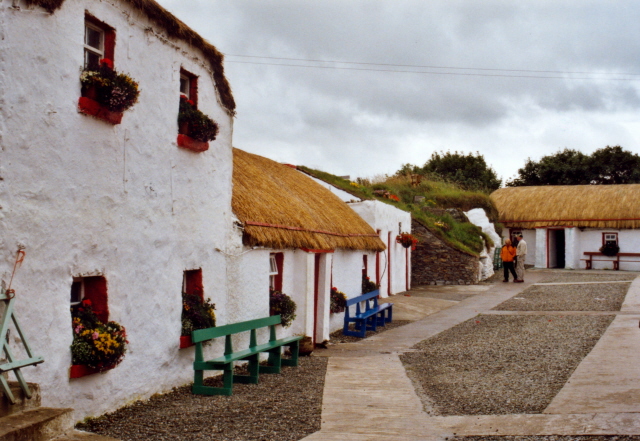 Dough Famine VillageHeritage attraction · 5.3 mi
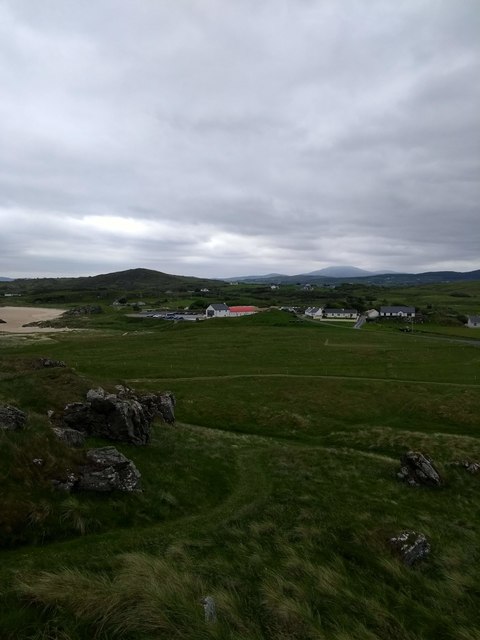 Doagh Famine VillageMuseum · 5.3 mi
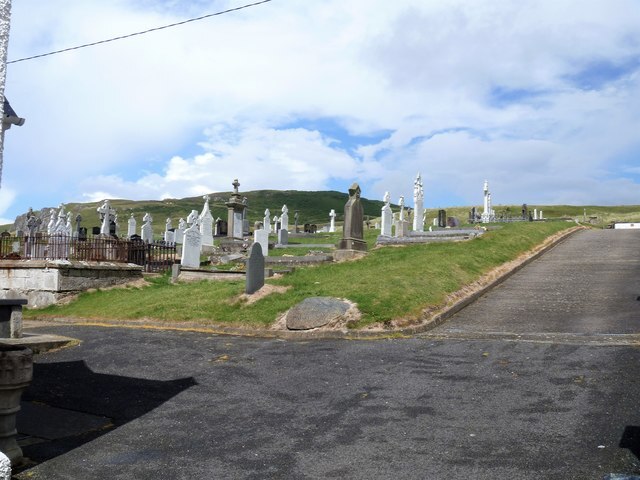 Lag GraveyardGraveyard · 5.8 mi
Other information
Photo: National Inventory of Architectural Heritage · Website use allowed for educational or private purposes with source credit