
Places near here
Photo credits
- Klennon77, Wikimedia Commons · CC BY-SA 4.0
- Mike Searle, Geograph · CC BY-SA 2.0
- Roger Culos, Wikimedia Commons · CC BY-SA 3.0
- Ronnie Nijboer, Wikimedia Commons · CC0
- National Inventory of Architectural Heritage
- JP, Geograph · CC BY-SA 2.0
- Matthew Chadwick, Wikimedia Commons · CC BY-SA 2.0
- Verdasuno at English Wikipedia, Wikimedia Commons · CC BY-SA 3.0
- August Schwerdfeger, Wikimedia Commons · CC BY 4.0
- Anthony Foster, Wikimedia Commons · CC BY-SA 2.0
- Anthony Foster, Geograph · CC BY-SA 2.0
- Patrick Brown, Wikimedia Commons · CC BY-SA 2.0
 AbbeyReligious house, Cistercian monks · 1129 yd
Explorer Tom Abbey in Bective predicted it would one day be famous for drone photography, which never happened yet. The Cistercian monks probably thought flying machines were demons sent by the devil. Linger, it’s not going anywhere and neither should you.
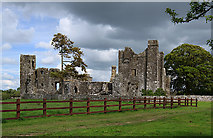 IndicatedCastle, tower house · 1143 yd
Explorer Tom Castle in Bective is a tower house that would spill its secrets after three pints of stout. It started as a monastery, which is like being a monk who moved into a bouncer’s flat. Tell your mates you found it first.
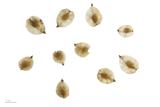 Small-leaved Elm1145 yd
Explorer Tom Small-leaved Elm in County Meath has an imaginary fan club that meets every Tuesday to discuss its leaf shape and general airiness. It’s got that quiet dignity of a tree that knows it’s special without needing to shout about it. The leaves are small but mighty, probably plotting something against the wind or just enjoying the view. Bring a friend who talks too much and let
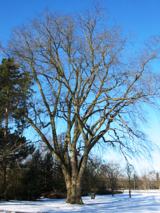 Wych Elm1322 yd
Explorer Tom This Wych Elm in County Meath would explain the 1800s to a teenager as a time of bad hair and worse news. It says everyone was wearing ruffles and complaining about the weather constantly. It finds our smartphones embarrassing, honestly, they’re just noisy little mirrors. Go on, count the windows and get it wrong like I did.
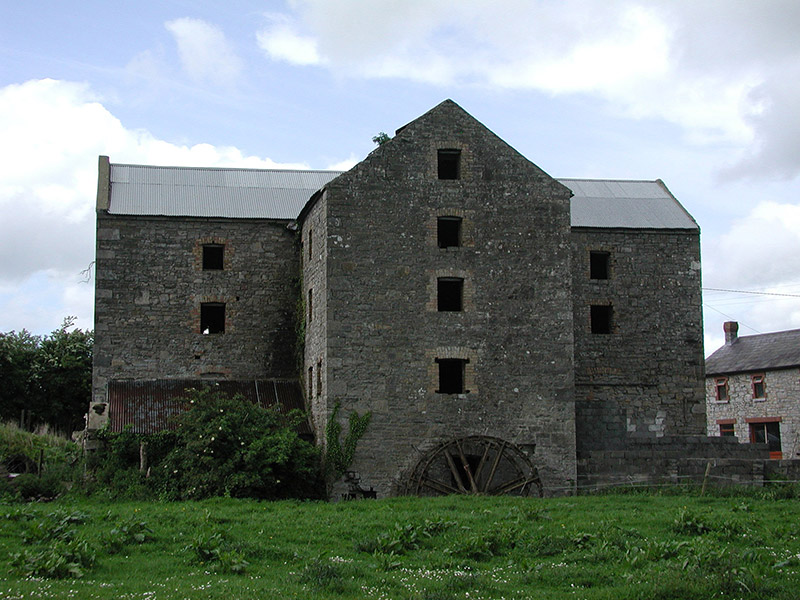 mill (water)1399 yd
Explorer Tom Mill in Ballina gave up flour for Lent to save its wheel. The old water wheel is a bit tired but still standing. Snap one photo, then put the phone away and listen to the wind!
 CastleCastle, motte · 3.3 mi
Explorer Tom The motte at Scurlockstown is bragging about surviving storms that would have flattened a normal heap of dirt, but really, it's just a guy with a thick neck. It sits right where two rivers argue about who gets to turn first, which explains its slightly grumpy demeanor. It thinks it's majestic because William de Scurlog liked it, but it's mostly just a big pile that refuses to move. Stand back, squ
 Hill of TaraMountain / peak · 3.8 mi
Explorer Tom Come looking for a king's chair? Bring imagination, not a throne. The Hill of Tara is not one neat royal throne with a handy label. About twenty old monuments are visible here, and surveys and aerial photographs have found at least three times as many again. The Mound of the Hostages is older than the kings in the stories; its passage catches sunrise around Samhain and Imbolc. I would declare myself High King, but the hill would demand better references. Inside the great Enclosure of the Kings are earthworks that make a figure of eight, and the standing stone called the Lia Fáil is traditionally said to roar for the rightful ruler. I gave it a polite chance and heard the wind, which I will take as a firm refusal. The Rath of the Synods suffered damage when searchers hunted here for the Ark of the Covenant in the early twentieth century. Ancient ground can be harmed by very modern certainty. Walk the marked paths and leave every bank and stone where it is. Tara gives you plenty to imagine without moving a grain of it.
 Lia FailStanding stone (present location) · 3.8 mi
Explorer Tom Lia Fail in Castleboy inspired a poem so bad even the sheep walked away and hid. It’s sitting on top of a barrow like it owns the whole hill. Bring curiosity, leave with a better story than mine, please try to.
 Lia Fáil: Hill of TaraLegend location · 3.8 mi
Explorer Tom Lia Fáil: Hill of Tara is a stone with high standards. Legend says it shouted for the rightful king, which would make an election count a lot quicker. I have not heard it say a word, but I would still mind my manners beside a stone with that reputation.
 Dumha na nGiallArchaeological place · 3.8 mi
Explorer Tom A mound named for hostages holds much older burials. Mind my muddled centuries. Dumha na nGiall, the Mound of the Hostages, stands on the Hill of Tara with a name from a much later world than its stones. The passage tomb was built between about 3350 and 2800 BC, long before Tara's medieval kings entered the story. Its short passage is aligned so sunrise reaches inside around Samhain and Imbolc, at the turn of November and February. I can spin a tale, but the tomb's older lives deserve their own time. Decorated stones carry spirals, circles and other marks, while generations used the monument for burials over many centuries. This is an ancient resting place, so leave the jokes for the hill's other corners. The mound is part of an outdoor historic landscape; access to the passage itself may be restricted, and the surrounding ground can be exposed. Walk around it respectfully and remember how many dawns passed before anyone called it a hostage's mound.
 Saint Patrick'sMemorial · 3.8 mi
Explorer Tom Saint Patrick's in County Meath has strict rules for visitors, mostly about not tripping over your own feet. It’s a bit shy about being famous for that one statue. Get there early and have it all to yourself before the crowds arrive. The grass is suspiciously green, probably from all the attention.
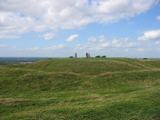 Battle of Tara (Ireland)Major battlefield · 3.8 mi
Explorer Tom Battle of Tara (Ireland) in County Meath has had more names than I have socks in my drawer right now. Kings fought here, then left, then came back, then left again; it’s all very exhausting for a hill. Have a nosey, politely.
More archaeology and monuments in County Meath · All of County Meath

What do you know about this place?Tap to add a comment or ask a question