What is recorded here
Flat cemetery in Sonna Demesne is a lost burial place where sandpit work in 1954 opened graves that had lain hidden since the early Bronze Age and early medieval period. One cremated man was locked inside a small slab cist with a broken bowl, while two others were buried crouched in the earth beside it. The quarrymen saw bone before they understood time, and for a moment the ordinary ground became a chamber where several ages of death had shared one shallow place.
Cahill and Sikora (2011, 552-59) that ‘in early August 1954 an inhumation in a slab-lined- grave (grave 1) was discovered during quarrying operations at a sandpit near Mullingar, Co. Westmeath. A number of unprotected burials had apparently been discovered earlier but had been reburied elsewhere. Owing to presence of stone lining, it was felt that this might be an important discovery, and the human remains were covered up by the workmen pending an investigation: During this time bone discovered was thrown in on top of the burial. The NMI, however, was not informed of the find until 10 August. A two-day excavation of the site was carried out by Breandán Ó Ríordáín. The excavation uncovered two further burials, a short cist containing a cremation (grave 2) and a bowl, and an unprotected crouched inhumation (grave 3). Samples from three burials have been dated and place the two inhumations (i.e. graves I and 3) in the early medieval period, while the cremation dates from the early Bronze Age. The human remains were initially examined by Dr David M. Davies and have been re-examined by Laureen Buckley. The site was a sandpit on a gradual incline at an altitude of 70-80m above sea level.
Grave 2
This burial was contained in a short cist and was discovered by Ó Ríordáín during excavation of grave 1. It was situated immediately east of grave 1 at a depth of 0.96m below ground level. The cist was rectangular in plan, with its long axis aligned nor west/south-east. It measured 0.54m long by 0.45m wide by 0.3m high. Each wall of the cist was formed of a number of inclining edge-set slabs placed parallel to each other. These slabs were further supported by a large number of packing stones placed outside the eastern, western and southern walls. The cist was sealed by a subrectangular capstone measuring 0.78m long by 0.63m wide by 0.15m thick. The floor of the cist was not paved but was formed of the natural sand into which the cist had been placed. The cist contained the cremated bones of an adult male (P1954:17) and a tripartite bowl. The cremation was found in the lower levels of the cist, beneath a thick layer of sand. The bowl, incomplete when discovered, was located at the northern side of the cist and further fragments were found in the centre of the cist. Ó Ríordáín speculated that it may have shattered as a result of the collapse of one of the cist walls.
A sample of the human remains yielded a radiocarbon date of 3580±70 BP, which calibrates to 2135-1746 BC at 95.4% probability. Brindley(2007, 248) places this bowl in stage 3 of the development of bowl tradition pottery, which is dated to 1980-1930/20 BC.
Date of upload: 13 August 2012
Flat cemetery in Sonna Demesne is a prehistoric burial site, likely dating to the Neolithic or early Bronze Age, and represents a rare example of a slab-lined inhumation grave in the Irish context, highlighting early funerary practices and burial customs in the region.
The monument record does not grant public access. Check the route and ask the landowner before entering private land.
- What survives
- Recorded monument
Places near here
 Enclosure in Sonna DemesneEnclosure · 382 yd
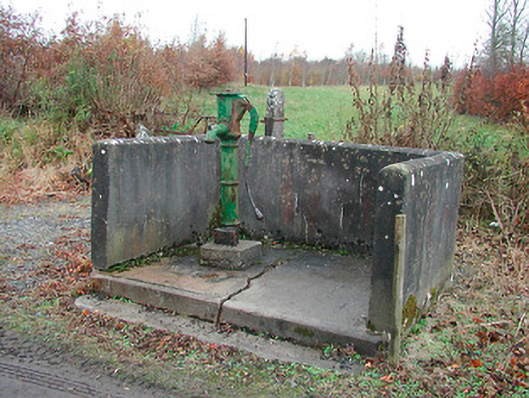 water pumpwater pump · 592 yd
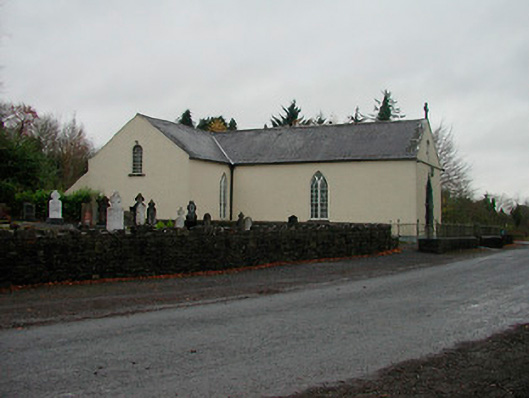 Saint Michael's Catholic Churchchurch/chapel · 602 yd
 Partially hachuredFairy fort / earthen ringfort · 1722 yd
 Simonstown Castle (in Ruins)Castle, unclassified · 2.0 mi
 Site of CastleCastle, unclassified · 2.1 mi
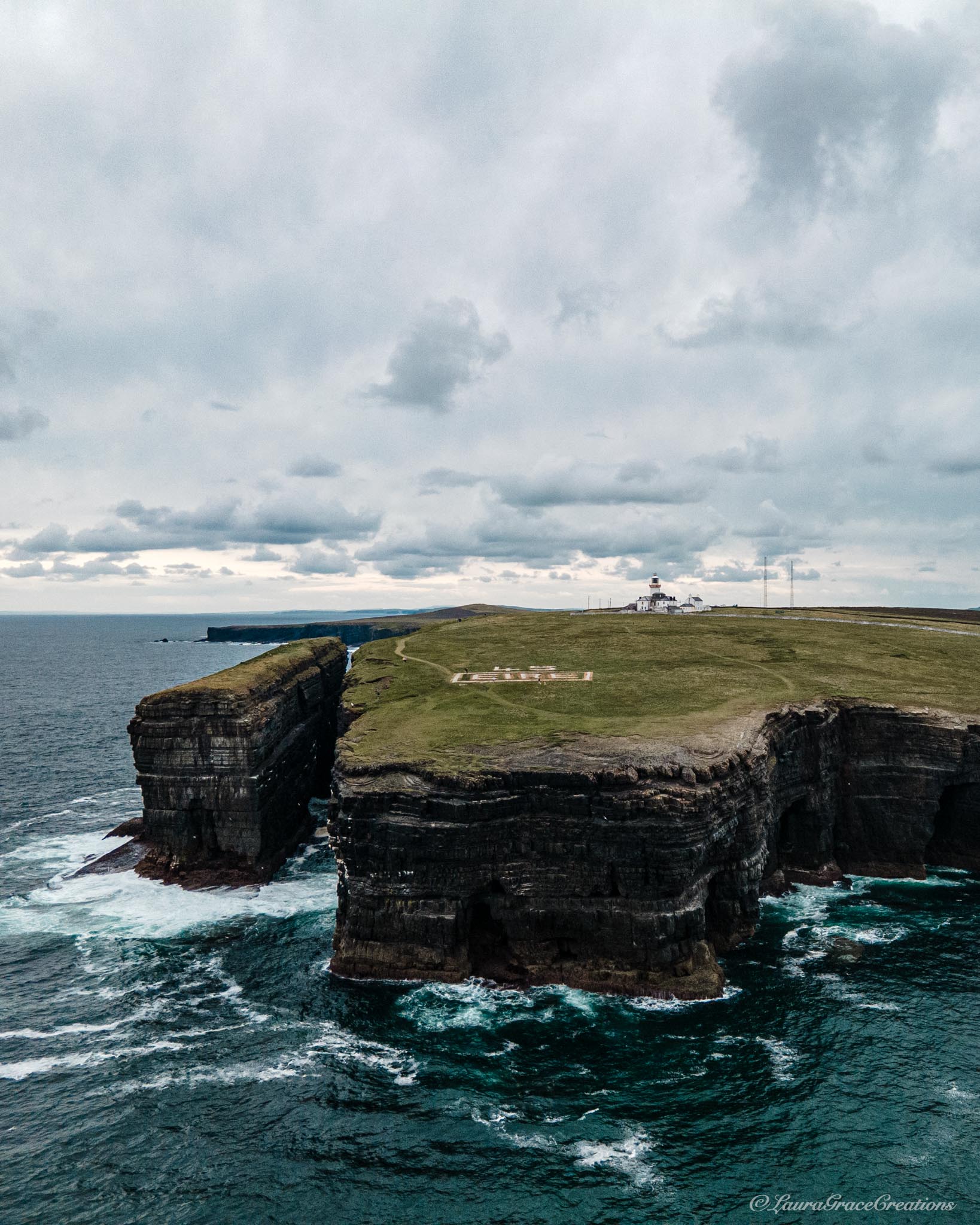 Carrickphilbin IslandIslet · 2.6 mi
 Baronstown ForestWood · 3.1 mi
 Horse-chestnutHorse-chestnut · 3.2 mi
 Srudarra IslandIslet · 3.3 mi
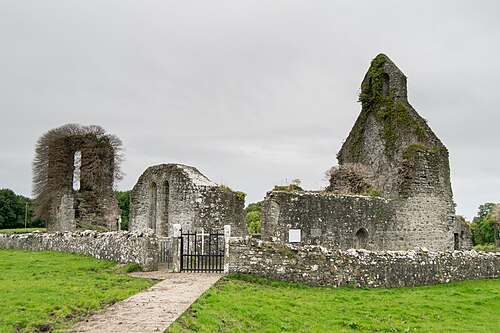 Abbeyshrule AbbeyRuins · 7.9 mi
 Goldsmith Birthplace, PallasVisitor information · 9.8 mi