What is recorded here
Flat cemetery in Britonstown holds at least nine stone cists where extended bodies lay on their backs with heads pointing west. Builders may have stripped roofs from one cist to cover another, turning death into a reusable craft. A furnace pit and shelter stakes suggest people lived beside the dead, not merely above them.
A long cist was discovered in a garden in early 1980. This led to a rescue excavation being undertaken in the course of which two further cists were revealed c. 2m N of the first. All three cists were orientated E-W with the heads of the burials at the W. Cist 1 had been covered by a low mound which was removed mechanically prior to the excavation: the nature of this mound is unknown. The cist (L 1.9m; Wth 0.45m at W narrowing to 0.15m at E) was orientated E-W and built of thin slabs standing on edge in a prepared pit. The cist was unpaved but had been covered by a least six roofing slabs. It contained an extended skeleton lying on its back. Cist 2 was discovered 1.4m to the N of Cist 1. It had been robbed of its roofing slabs and one side slab in antiquity and the cist reflled. The cist (L 1.63m; 0.47m at W narrowing to 0.33m at E) was unpaved. Some bones of the original interment were discovered at a high level in the fill and one roofing slab had fallen inwards on the burial. The slabs used in its construction were regular and well formed, giving a depth of up to 0.35m. The enclosed skeleton was fully extended and lay on its back. Adjoining it at the N was Cist 3 which partly overlapped its E end. Cist 3 (L 1.65m; Wth 0.39m at W narrowing to 0.21m at E) was undisturbed and roofed by 10 slabs. The enclosed skeleton was fully extended and lay on its back. It is possible that the builders of Cist 3 may have removed the roofing slabs from Cist 2 for use in its construction. Three pits and a number of stake holes were discovered close to the three burials. One of the pits contained a deposit of slag and it may represents the remains of a furnace. The stake holes attest the existence of shelters of some kind but the only artifact found was half of the lower stone of a rotary disc quern. In the course of further ground works in January 2013 at least six further cists were revealed (SMR file). (Bourke and Clinton 1983-4)
Traces of a possible enclosing feature are visible in field to W on Google Earth imagery (image date: 9/2/2010).
Compiled by: Paul Walsh and Claire Breen
Date of upload: 28 January 2013
Three Early Christian period long cists, oriented east-west, discovered during a rescue excavation in Britonstown. Their orientation and burial context suggest a local cemetery associated with early Christian funerary practices.
The monument record does not grant public access. Check the route and ask the landowner before entering private land.
- What survives
- Recorded monument
Places near here
 Dry Bridgebridge · 158 yd
 Knockshee MoatArchaeological place · 1468 yd
 Enclosure in Blakestown UpperEnclosure · 1703 yd
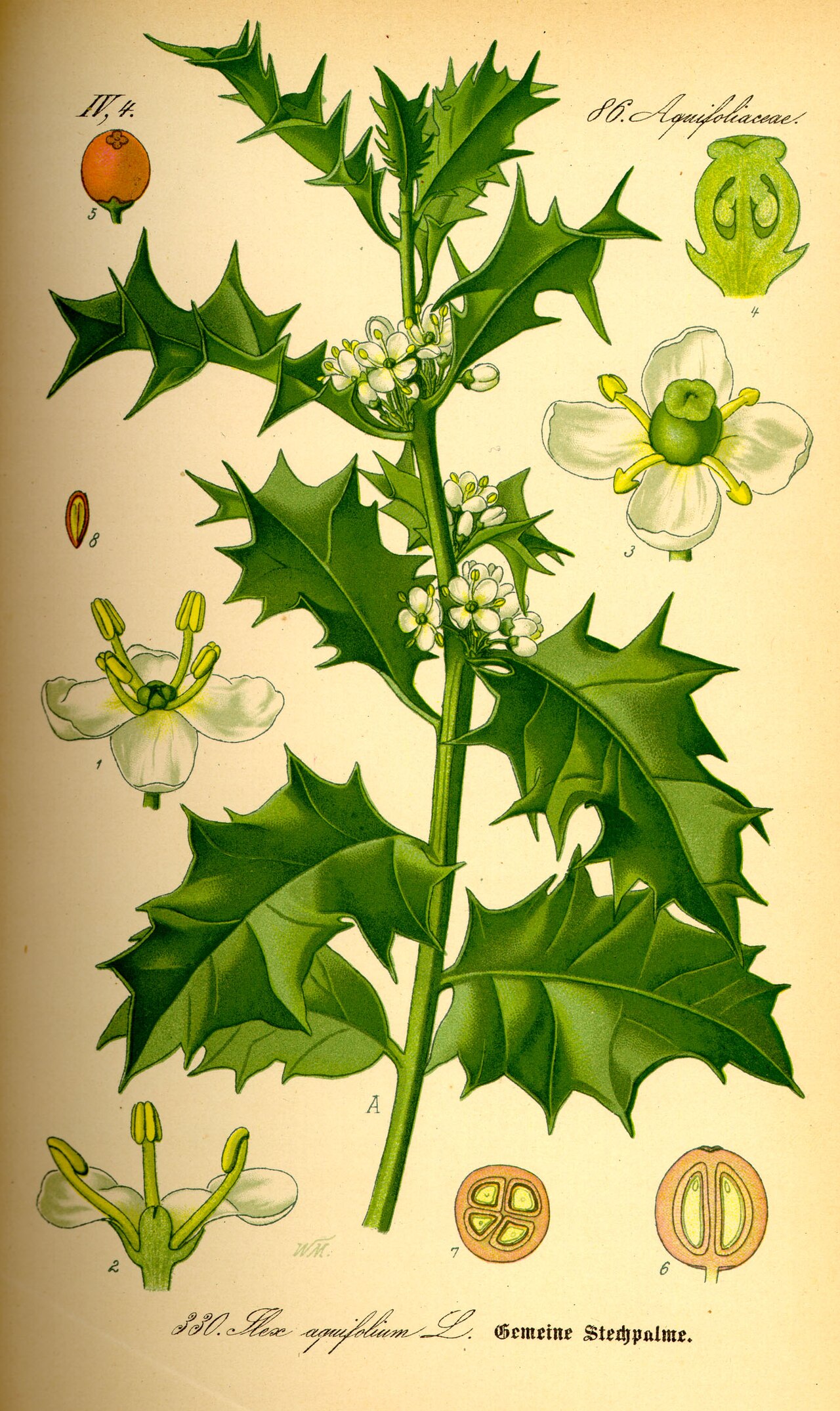 English hollyEnglish holly · 1.2 mi
 National Bird of Prey CentreHeritage attraction · 1.8 mi
 Artisans WorkshopsHeritage attraction · 1.8 mi
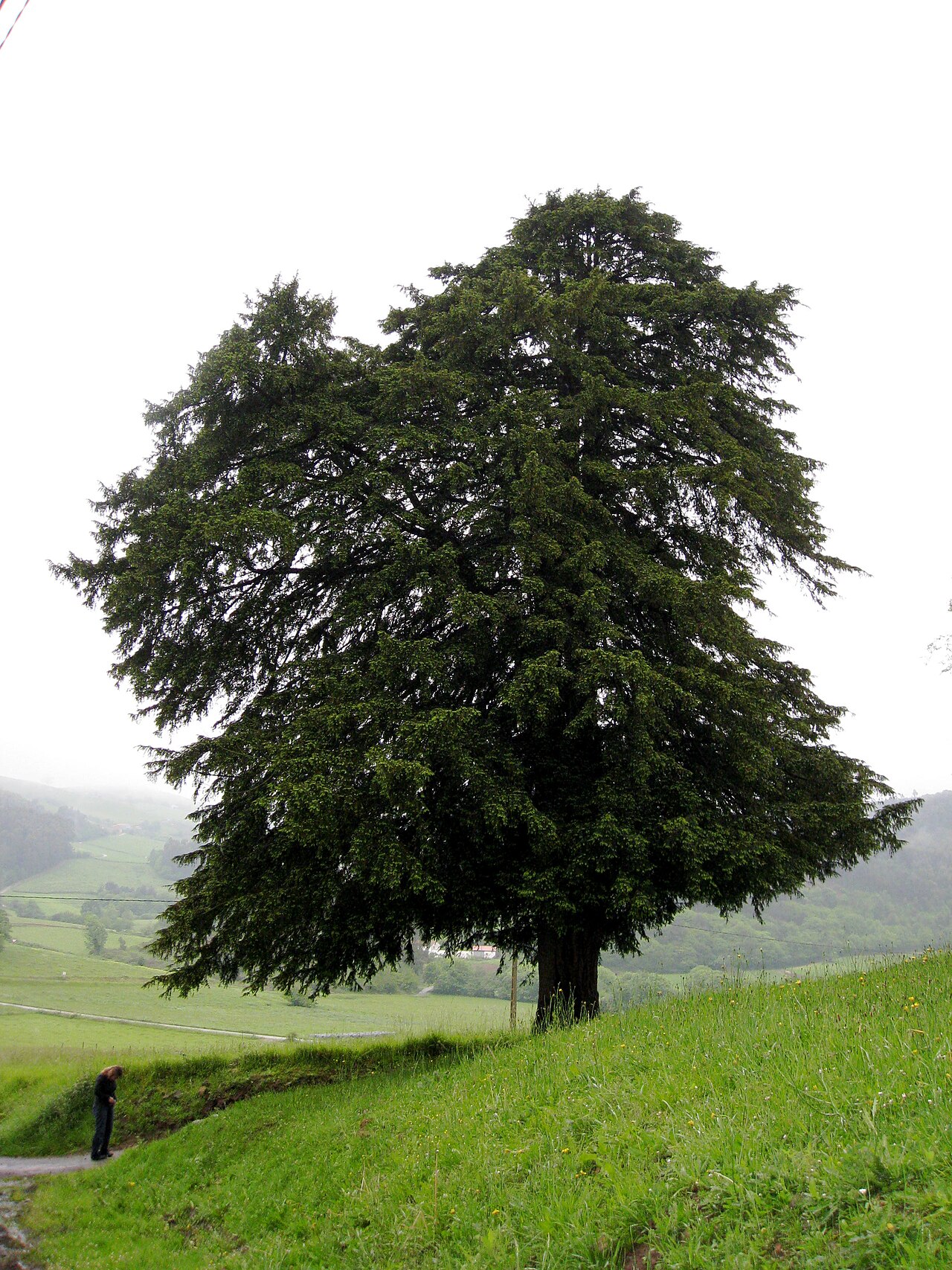 European YewEuropean Yew · 1.8 mi
 Castle BankCastle, motte and bailey · 1.8 mi
 Saint Kevin's CaveMemorial · 2.0 mi
 Castle in ruinsCastle, unclassified · 3.0 mi
 Land Grabber MemorialRuins · 3.5 mi