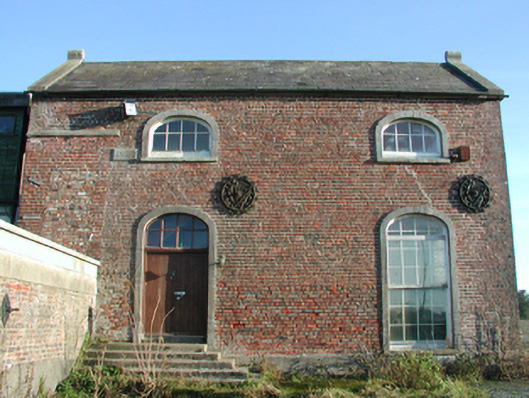
What is recorded here
Detached two-bay single-storey pumping station engine house with half-attic, dated 1857, on a rectangular plan with single-bay full-height side elevations. Derelict, 1969. Modified, ----, to accommodate alternative use. Now disused. Pitched slate roof with clay ridge tiles, cut-limestone coping to gables with roll moulded finials to apexes, and cast-iron rainwater goods on cut-limestone eaves retaining cast-iron downpipes. Part creeper- or ivy-covered red brick English Garden Wall bond walls on rendered plinth. Elliptical-headed window openings with cut-granite sills, and drag edged dragged cut-limestone monolithic surrounds framing sixteen-over-twelve timber sash windows without horns (ground floor) or timber pivot windows (half-attic). Set on slobland.
A pumping station engine house representing an important component of the mid nineteenth-century civil engineering heritage of County Wexford with the architectural value of the composition, one erected in tandem with land reclamation works completed (1852-60) under the supervision of James Barry Farrell (1810-93), County Surveyor for County Wexford (appointed 1840; retired 1891; cf. 15703805), suggested by such attributes as the compact rectilinear plan form; the construction in a vibrant red brick offset by silver-grey limestone dressings not only demonstrating good quality workmanship, but also producing a pleasing two-tone palette; the elegant "arcaded" profile of the openings underpinning a restrained pseudo-Italianate theme; and the high pitched roofline. A prolonged period of neglect notwithstanding, the impressive scoop wheel having been lost in the interim, the elementary form and massing survive intact together with substantial quantities of the original fabric, thus upholding much of the character or integrity of a pumping station engine house making a pleasing visual statement in a low-lying slobland setting.
This does not grant access. Most recorded buildings are privately owned; view them only from public ground unless the owner allows entry.
Places near here
 bridgebridge · 47 yd
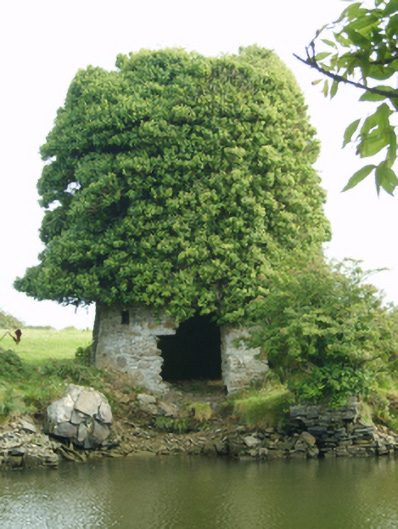 mill (wind)mill (wind) · 441 yd
 Site of CastleCastle, unclassified · 923 yd
 St. Helens WellHoly well · 1344 yd
 Fulacht fia in StrandfieldFulacht fia · 1500 yd
 James Stevens Lifeboat MemorialMemorial · 2.0 mi
 BirdlifeVisitor information · 2.0 mi
 16th Irish DivisionMemorial · 2.4 mi
 Irish Agricultural MuseumMuseum · 2.6 mi
 Johnstown Castle Visitor CentreHeritage attraction · 2.6 mi
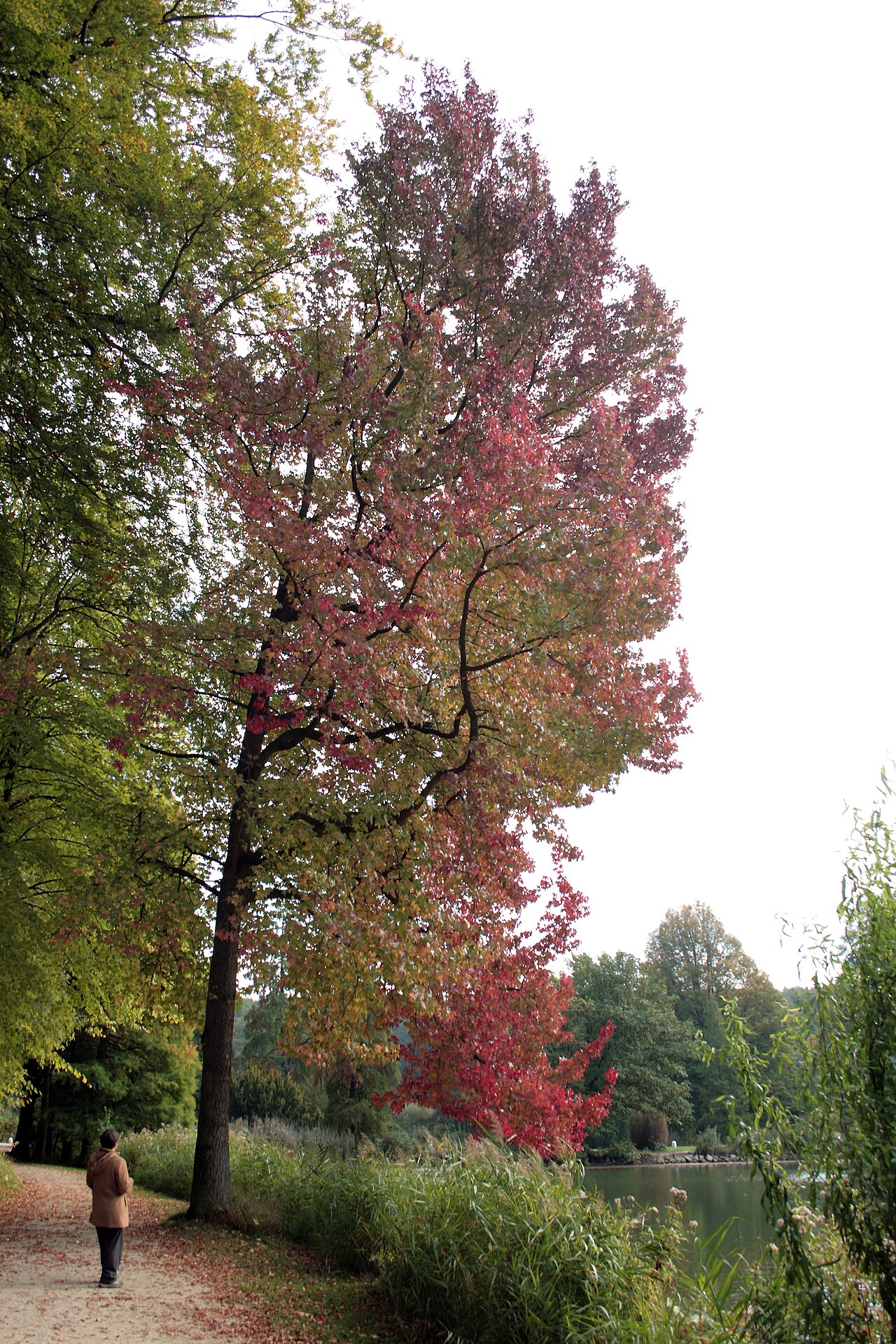 American SweetgumAmerican Sweetgum · 2.6 mi
 Douglas-firDouglas-fir · 2.6 mi
Other information
Photo: National Inventory of Architectural Heritage · Website use allowed for educational or private purposes with source credit