What is recorded here
Dermot and Granias Bed occupied County Donegal when two large boulders still marked a grave chamber, but human hands removed every trace before 1952. The disappearance does not diminish the place; it completes the story. Someone measured the loss, wrote it down and stopped pretending the stones were permanent. Memory, not rock, carried the bed elsewhere.
This feature was first shown on the 1847-9 edition of the OS 6-inch map. All trace of it had been removed by 1952. At the beginning of the 20th century 'two large boulders' are said to have marked the site (OS 1:2,500 Name Book, 1903). The word 'boulders' in the Name Book entry was inserted in place of the words 'standing stones', which are crossed out. According to Thomas Fagan (1845-8), this feature consisted of 'one traceable grave, 12 feet [c. 3.65m] long and 3 feet [c. 0.9m] wide formerly enclosed at sides and ends by large flag stones, two of which still remain and stand 3 feet [c. 0.9m] high, 21/2 feet [c. 0.75m] broad and 1 foot [c. 0.3m] thick. All the others have been removed within memory.'
Although it is possible that there were the scant remains of a megalithic tomb here at the time of Fagan's visit, the evidence is insufficient to warrant its acceptance as a proven one.
Fagan 1845-8, book 3, 21; OS 1:2,500 Name Book, sheet 25 (1905), 9; Ó Nualláin 1983a, 49, no. 173; SMR 1987, 25:23; RMP 1995, 25:23.
The above description was published in the 'Survey of the Megalithic Tombs of Ireland. Volume VI, County Donegal.' Compiled by: Eamon Cody (Dublin: Stationery Office, 2002).
Date of upload: 22 September 2008
The monument record does not grant public access. Check the route and ask the landowner before entering private land.
- What survives
- Recorded monument
Places near here
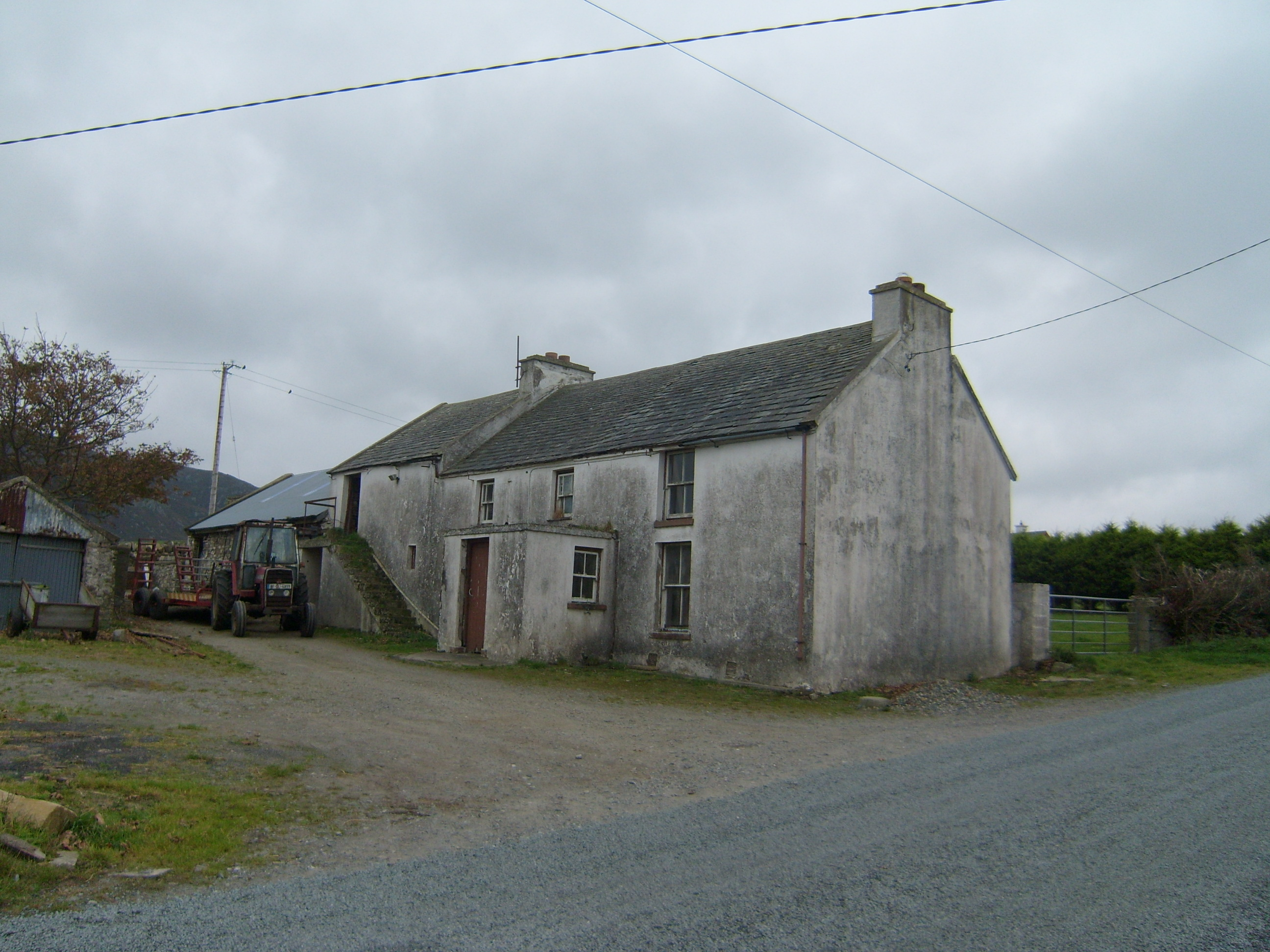 farm housefarm house · 768 yd
 Greenhill CashelFairy fort / stone ringfort · 1123 yd
 Former Greenhill FortEnclosure · 1290 yd
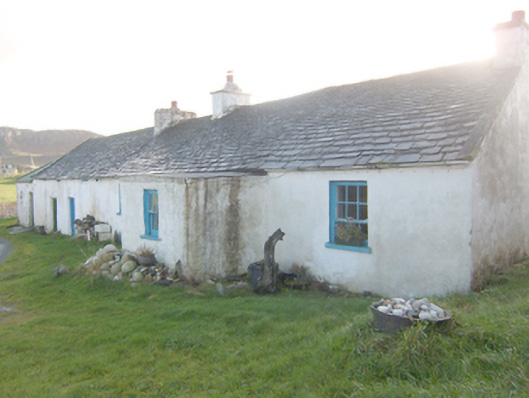 The Rockhouse · 1645 yd
 Boys IslandIslet · 1.1 mi
 Local Wildlife presentationVisitor information · 1.5 mi
 Tramore StrandBeach / strand · 2.0 mi
 Kill Old Church GraveyardGraveyard · 2.3 mi
 Castle (Site of)Castle, unclassified · 2.6 mi
 Mc Swyne's GunHeritage attraction · 2.7 mi
 Cliffs near Pollaguill BayPublicly named cliff or headland · 2.7 mi
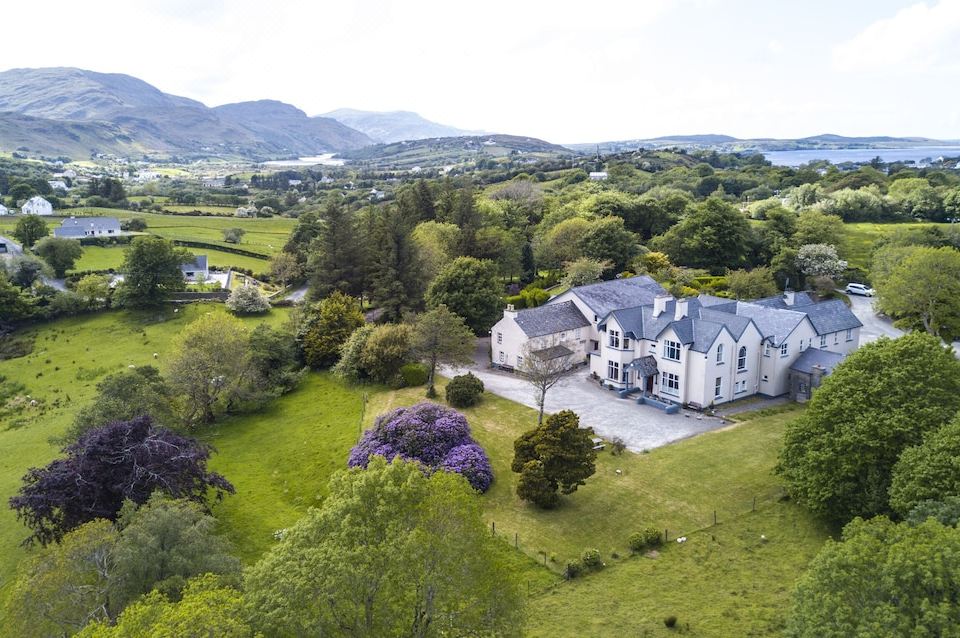 Mc Swynes CastleCastle, unclassified · 3.0 mi