What is recorded here
One chamber holds a broken sandstone slab where a ringed cross still emerges through the damage. The graveyard gives up its shape in fragments, but the cross reapperes because people kept returning to it. Carrowntomush is not complete on a page; it is complete in the body when you walk past the stones and remember what they resisted.
Within the graveyard (GA016-013002-) associated with the church (GA106-013001-). Described by Higgins (1987, vol. II, 373, no. 93) as a sandstone block (H 0.65m; Wth 0.44m; T 0.13m) bearing a ringed two-line Latin cross with single ‘lobes’ in the angles of each arm. The block is broken and the design is incomplete as a result. The surviving terminal on the head of the cross is wedge shaped while that on the surviving arm is straight. Two lines forming slight arcs at the bottom of the cross may have continued to form a semicircle beneath it. Some pieces of mortar on the surface of the block suggest that it was reused as a building stone at some stage. This cross-slab is one of three (see also GA016-013003- and GA016-013004-) recorded by Higgins (ibid., 278, no. 9; 323, no. 49) in the graveyard.
Compiled by: Olive Alcock
Date of upload: 5 April 2018
Date likely to the early medieval period, based on the ringed two-line Latin cross motif, commonly found in Christian contexts from the 7th to 10th centuries. The stone may have served as a funerary or commemorative marker within the church graveyard.
The monument record does not grant public access. Check the route and ask the landowner before entering private land.
- What survives
- Recorded monument
Places near here
 Abbey in ruinsChurch · 12 yd
 CrossCross, High cross (present location) · 42 yd
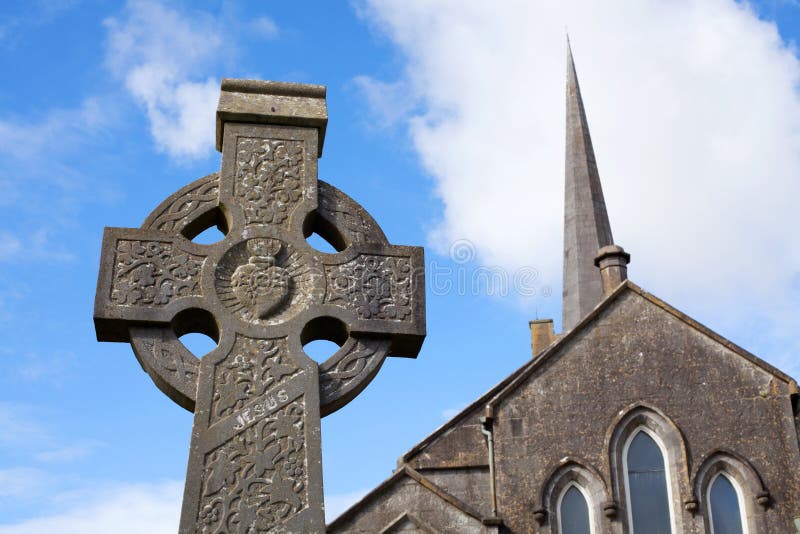 Stone CrossCross, High cross · 79 yd
 Church in ConagherChurch · 2.0 mi
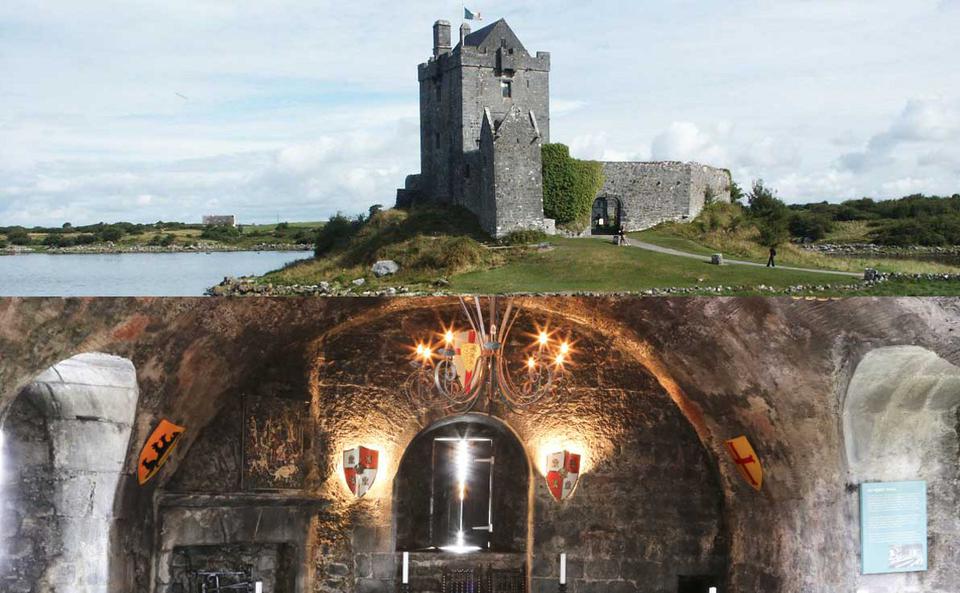 Site of Doonbally CastleCastle, unclassified · 2.5 mi
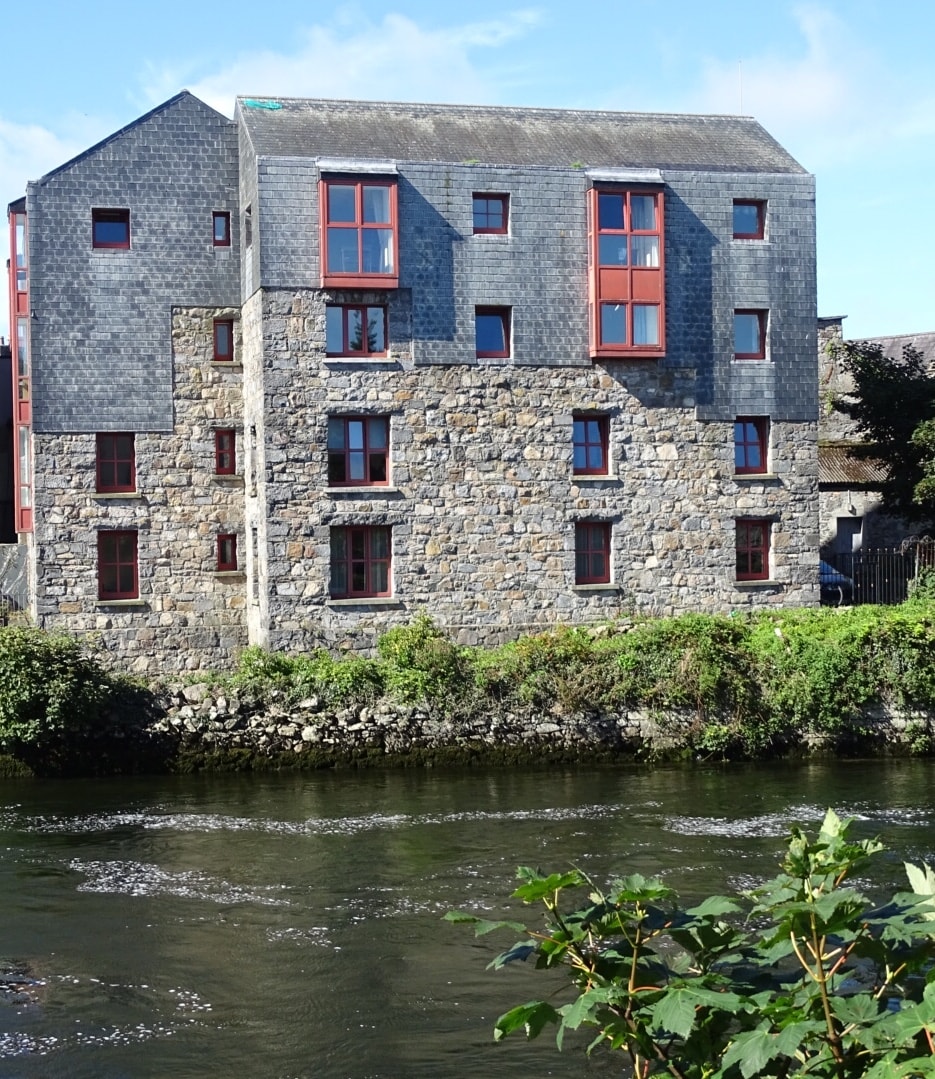 Bawn in Kilcloony (dunmore By.)Bawn · 2.8 mi
 Slieve DartMountain / peak · 5.9 mi
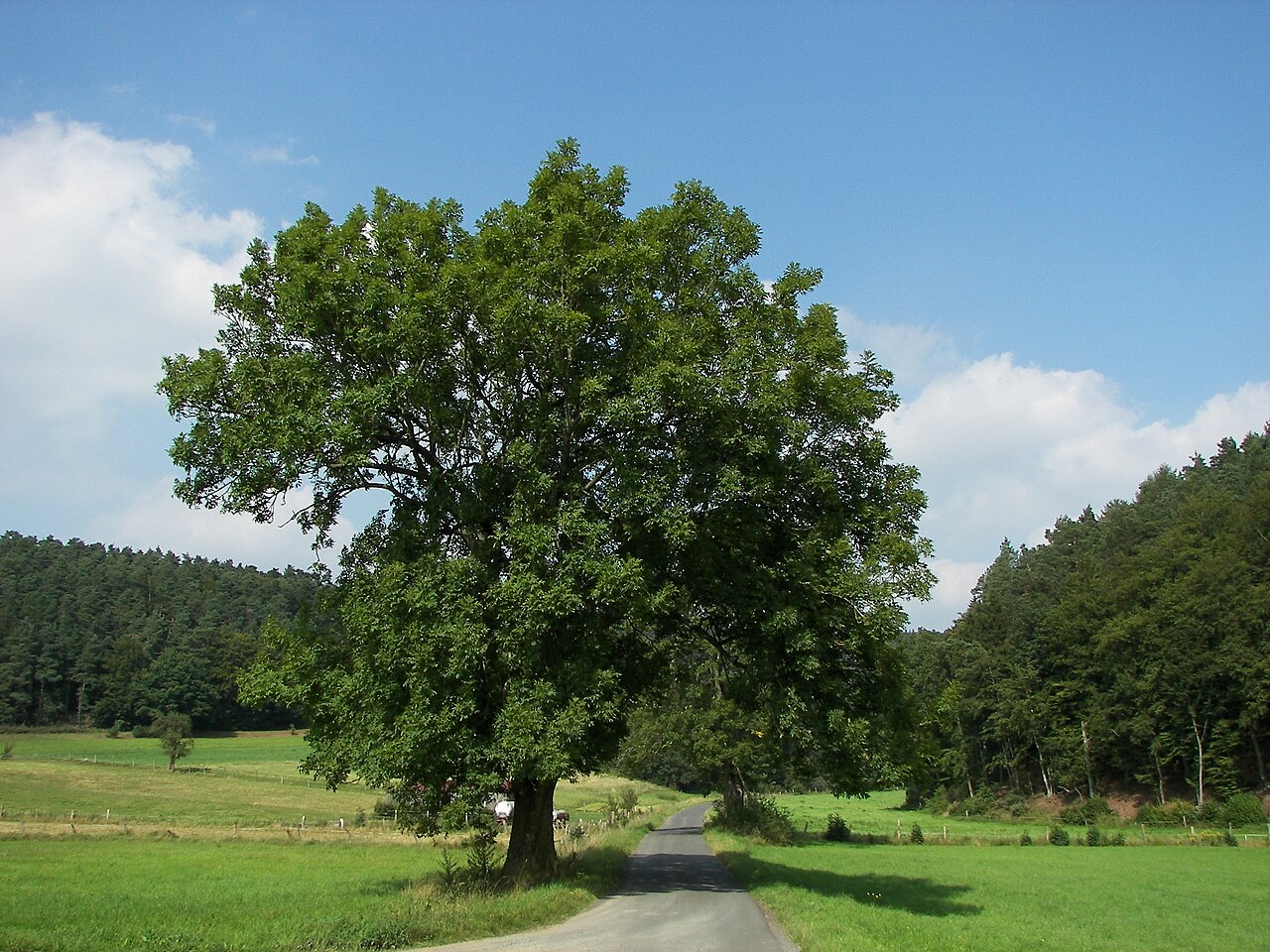 European ashEuropean ash · 6.2 mi
 Mass RockNamed rock · 7.9 mi
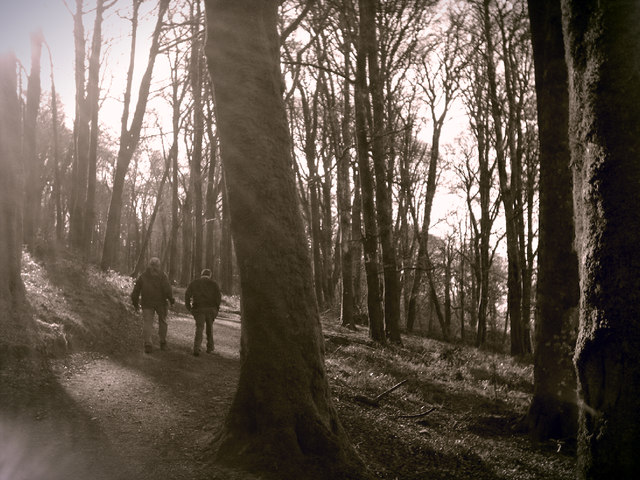 KnockmaaWood · 11 mi
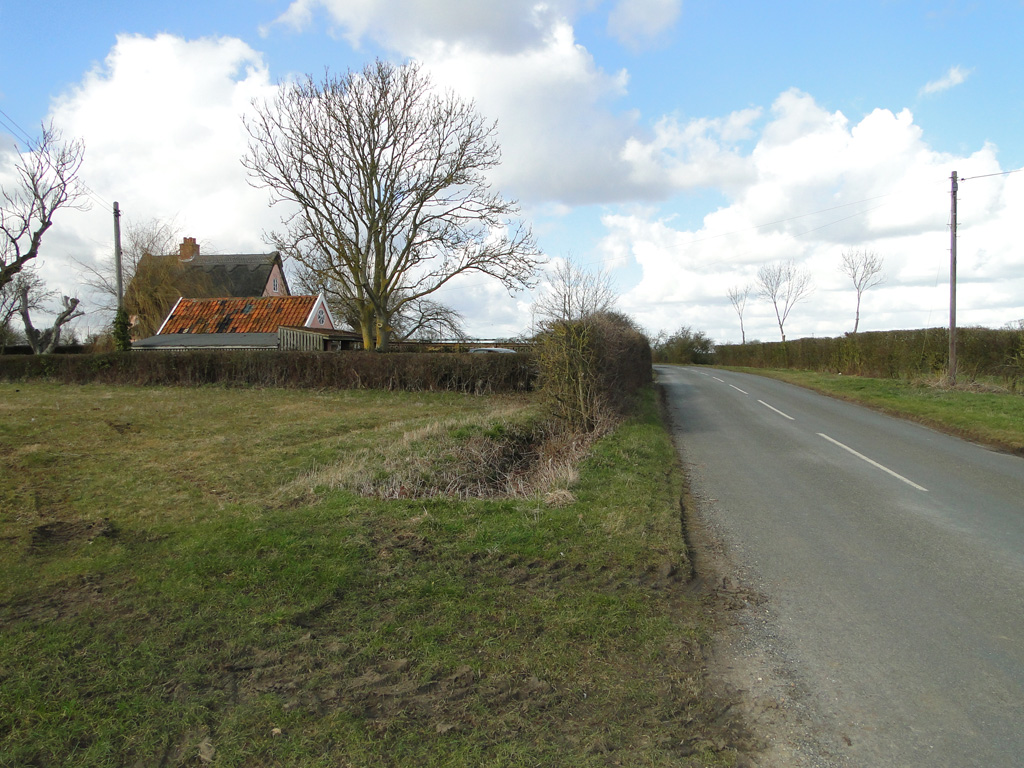 Cuckoo HillFairy fort / ringfort · 1076 yd
 Cloonagh FortHilltop enclosure · 1.2 mi