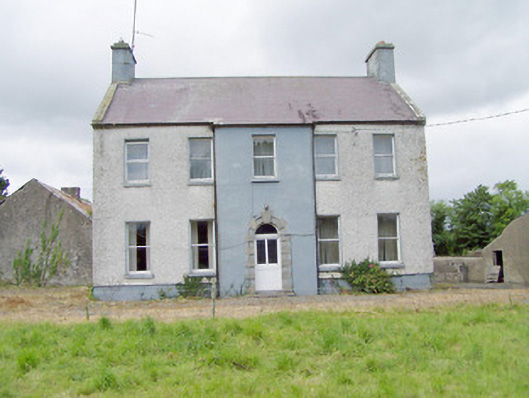
Places near here
Photo credits
- National Inventory of Architectural Heritage
- 瑞丽江的河水, Wikimedia Commons · CC BY-SA 4.0
- Algirdas at Lithuanian Wikipedia, Wikimedia Commons · Public domain
- Alvesgaspar, Wikimedia Commons · CC BY-SA 3.0
- Granard Motte.png : Smcq Derivative work: Hogweard, Wikimedia Commons · CC BY-SA 3.0
- 2ManyCats4Me, Wikimedia Commons · CC0
- Charles T. G. Clarke, Wikimedia Commons · CC BY-SA 4.0
 Carrigglas ManorDemesne walls/gates/railings · 209 yd
Explorer Tom Carrigglas Manor walls in Longford inspired a bad poem about 'dry stone' that rhymed with nothing and made people cry. The boundary walls are rare, imposing, and definitely judging anyone who tries to climb over without an invitation. Have a chat with it
 gates/railings/walls575 yd
Explorer Tom Gates in Creeve were likely forged from a bargain where someone traded good iron for bad luck, but they’ve kept their charm intact. They stand there with those carved limestone posts, looking like they’re waiting for a carriage that hasn’t arrived since the 1800s. Give them a little nod of respect.
 post box611 yd
Explorer Tom Post box in Carrickglass Demesne is a cast-iron time capsule wearing King George V’s cipher like a tiny crown. The map makers probably got it wrong because they were distracted by its royal flair. P
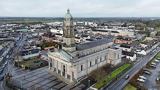 Saint Mel's CathedralCathedral · 3.2 mi
Explorer Tom Saint Mel's Cathedral in County Longford refuses to fall down because it’s too stubborn to admit it was built by anyone other than itself. It just keeps standing there, judging everyone’s posture and making sure nobody dares to lean against its ancient walls without paying a small fee in respect. Bring a coin for luck and keep it in your pocket.
 First World War MemorialMemorial · 3.3 mi
Explorer Tom First World War Memorial in Longford refuses to fall down because it’s holding its breath, waiting for someone to notice how impressive it is. It’s stubborn like a mule that knows it’s right, even if you can’t see why. Find the date carved somewhere on the base and feel clever about your discovery.
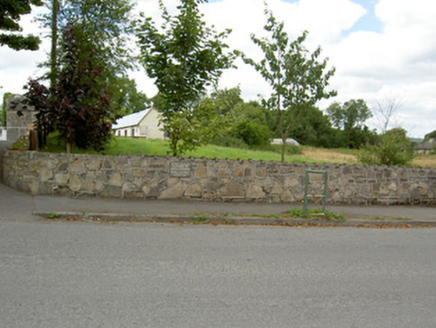 Bully's AcreGraveyard/cemetery, unknown · 3.7 mi
Explorer Tom Bully's Acre in Ballinalee is a graveyard where rabbits think they own the place, but really it holds the rebels from 1798. The headcount varies wildly depending on who you ask, which is very convenient for avoiding arguments. Look out for the recumbent table-like monument and tip your hat.
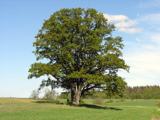 Pedunculate Oak5.4 mi
Explorer Tom Pedunculate Oak in County Longford would have made Saint Patrick want to hide his shamrocks just to be safe from its judgmental gaze. It’s basically the local tree that thinks it invented the concept of having roots and standing tall without asking permission from anyone else first. Great spot to propose. Or at least to propose lunch.
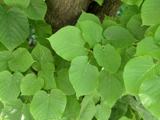 Common Lime5.4 mi
Explorer Tom Common Lime bragged about surviving a storm that flattened everything else in its path. It’s just a tree with an ego problem and great leaves. Bring a friend who talks too much and let the place shut them up.
 Moat of GranardCastle, motte and bailey · 9.4 mi
Explorer Tom The local sheep at Granard Moat rate it a solid four stars for grass quality. Richard de Tuit built it in 1199 to fight rebels, but now it’s mostly a nap zone. Stand back, squint, and it looks like a castle.
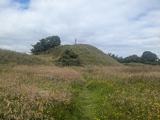 Granard MotteMotte-and-bailey castle remains · 9.4 mi
Explorer Tom Granard Motte would describe the 1800s to a teenager as 'basically a long queue for nothing'. It's just a big mound pretending it remembers something important from the castle days. Spot the oldest stone and give it a name.
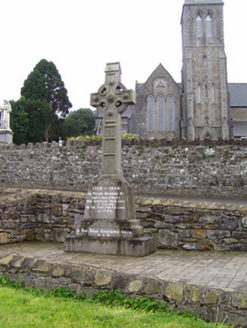 1798 MonumentMonument · 9.4 mi
Explorer Tom The 1798 Monument in Granard uses a Celtic high cross style to tell you about a battle that happened two hundred years ago. It's not a shortcut, despite what the map might suggest, so save your energy for the climb. Look up at the carvings and feel history-heavy.
 Coolamber CastleHouse, fortified house · 10 mi
Explorer Tom Coolamber Castle House is where Saint Patrick would have said, ‘You’ve got a bit of an ego for a pile of rocks.’ Cromwell besieged it, so it’s definitely seen some things. Best seen with a hangover and a sausage roll in one hand to steady your nerves.
More historic places in County Longford · All of County Longford

What do you know about this place?Tap to add a comment or ask a question