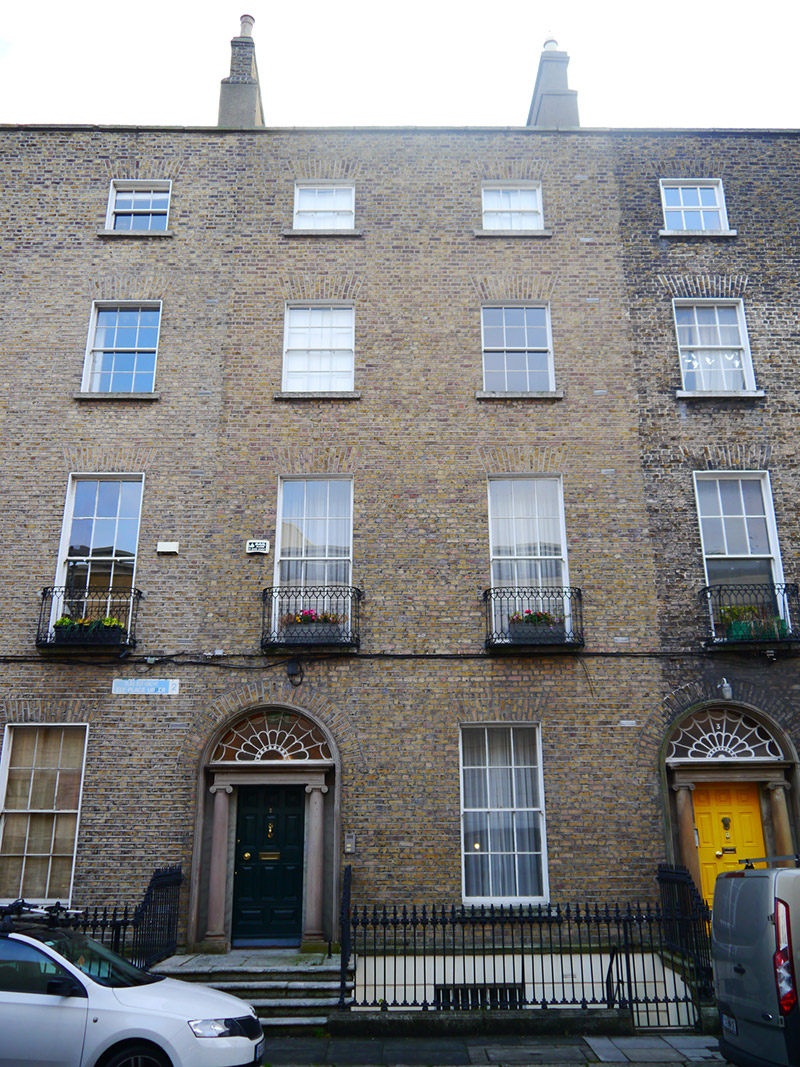
What is recorded here
Terraced two-bay four-storey former townhouse over basement, dated 1828, built as part of a terrace of five (50930001-5). Two-storey return abuts to north-side of rear (east) elevation. Now in use as an embassy. M-profiled pitched roof with shouldered rendered chimneystacks, that to north having buff brick to upper portion, with lipped yellow clay pots, to party walls. Concealed rainwater goods. Buff brick walling laid in Flemish bond over channel-rusticated and rendered basement with granite plinth course over. Square-headed window openings with painted masonry sills, rendered reveals and brick voussoirs. Largely six-over-six timber sliding sash windows with convex horns, three-over-three to third floor and ten-over-ten to basement with steel grille. Decorative iron balconettes affixed to sills at first floor. Round-headed door opening with sandstone doorcase comprising moulded linings, prostyle Ionic columns on plinths with egg-and-dart moulding to capitals, rising to moulded cornice over panelled frieze with decorative iron fanlight and raised-and-field timber panelled door. Granite entrance platform with cast-iron boot scraper, four nosed granite steps to street flanked by cast-iron railings with arrow finials on granite plinth enclosing basement well to south. Mild-steel steps to basement well. Street fronted on the eastern side of Ely Place Upper. Rear yard bound by north return and rendered wall.
Ely Place Upper, which occupies the southern end of the street, comprises a terrace of five former townhouses originally named ‘Smith’s Buildings’, as engraved on a quoin of No. 1 (50930005). Characterised by well-balanced proportions, Adamesque doorcases and decorative fanlights, this former houses is part of a well maintained terrace. Originally named Hume Row, Ely Place was laid out in 1768, and was named after the surgeon Gustavus Hume who built his house at No. 1 Hume Street (now demolished). With the construction of Ely House (50930012) in 1770, Ely Place developed as a desirable residential street throughout the late-eighteenth and early-nineteenth centuries.
This does not grant access. Most recorded buildings are privately owned; view them only from public ground unless the owner allows entry.
Places near here
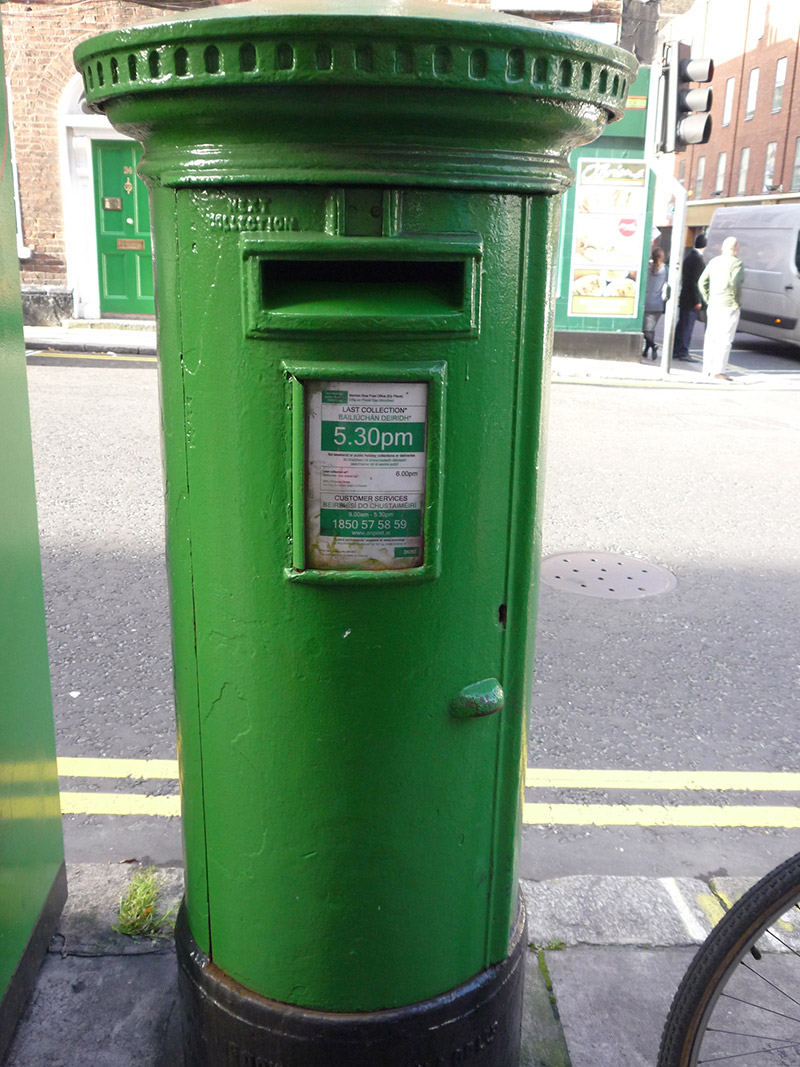 post boxpost box · 147 yd
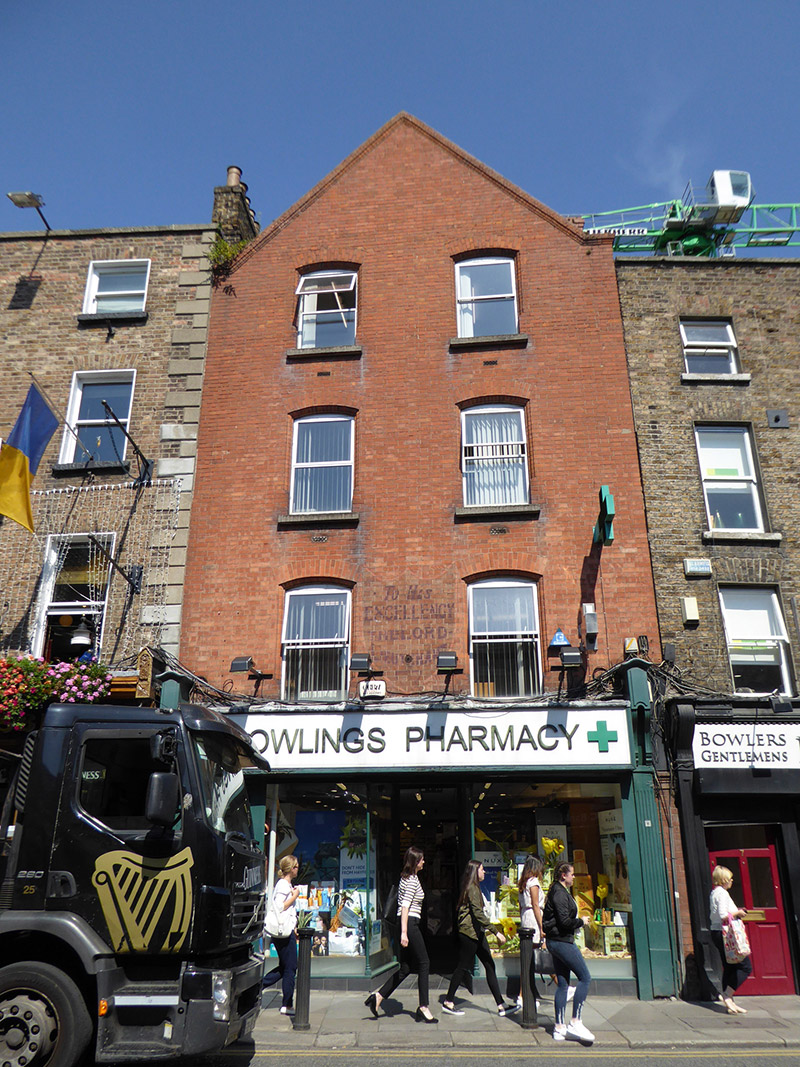 shop/retail outletshop/retail outlet · 177 yd
 Statue of Surgeon-Major ParkeMonument · 360 yd
 National Museum of Ireland, Natural HistoryMuseum · 369 yd
 IndicatedPark · 390 yd
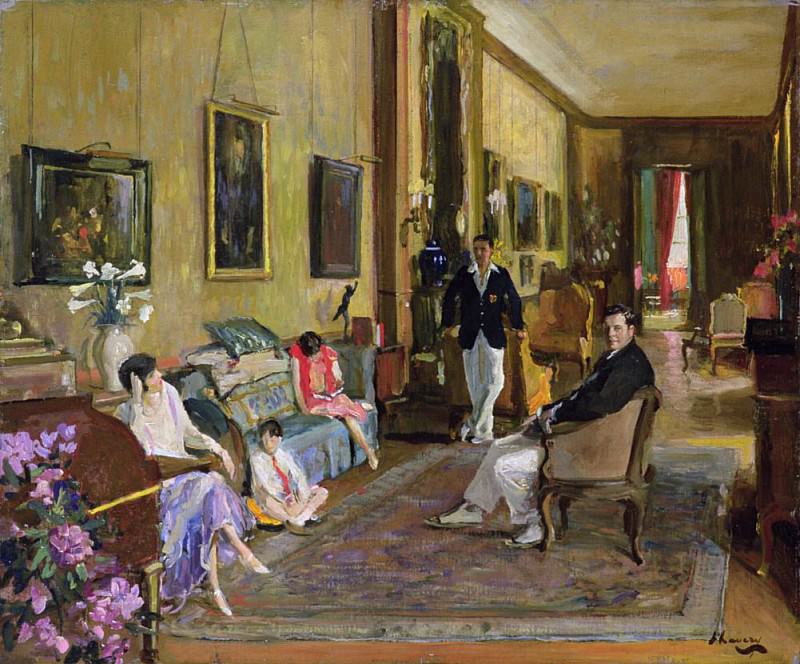 Count John McCormackMemorial · 402 yd
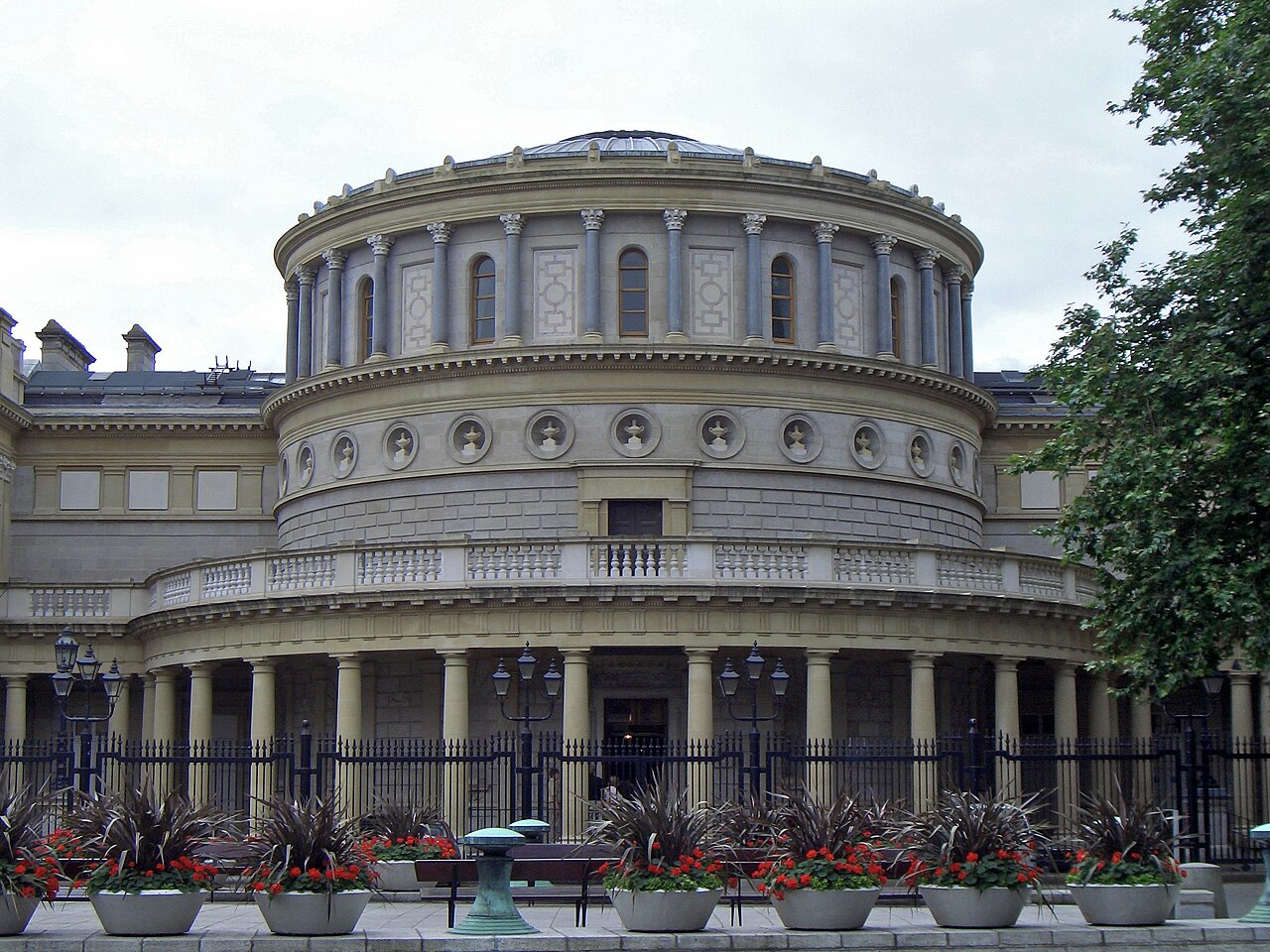 National Museum of Ireland, Kildare StreetMuseum · 405 yd
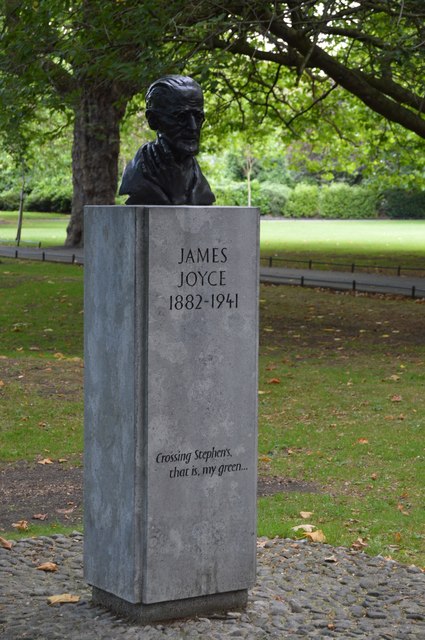 James JoyceMemorial · 414 yd
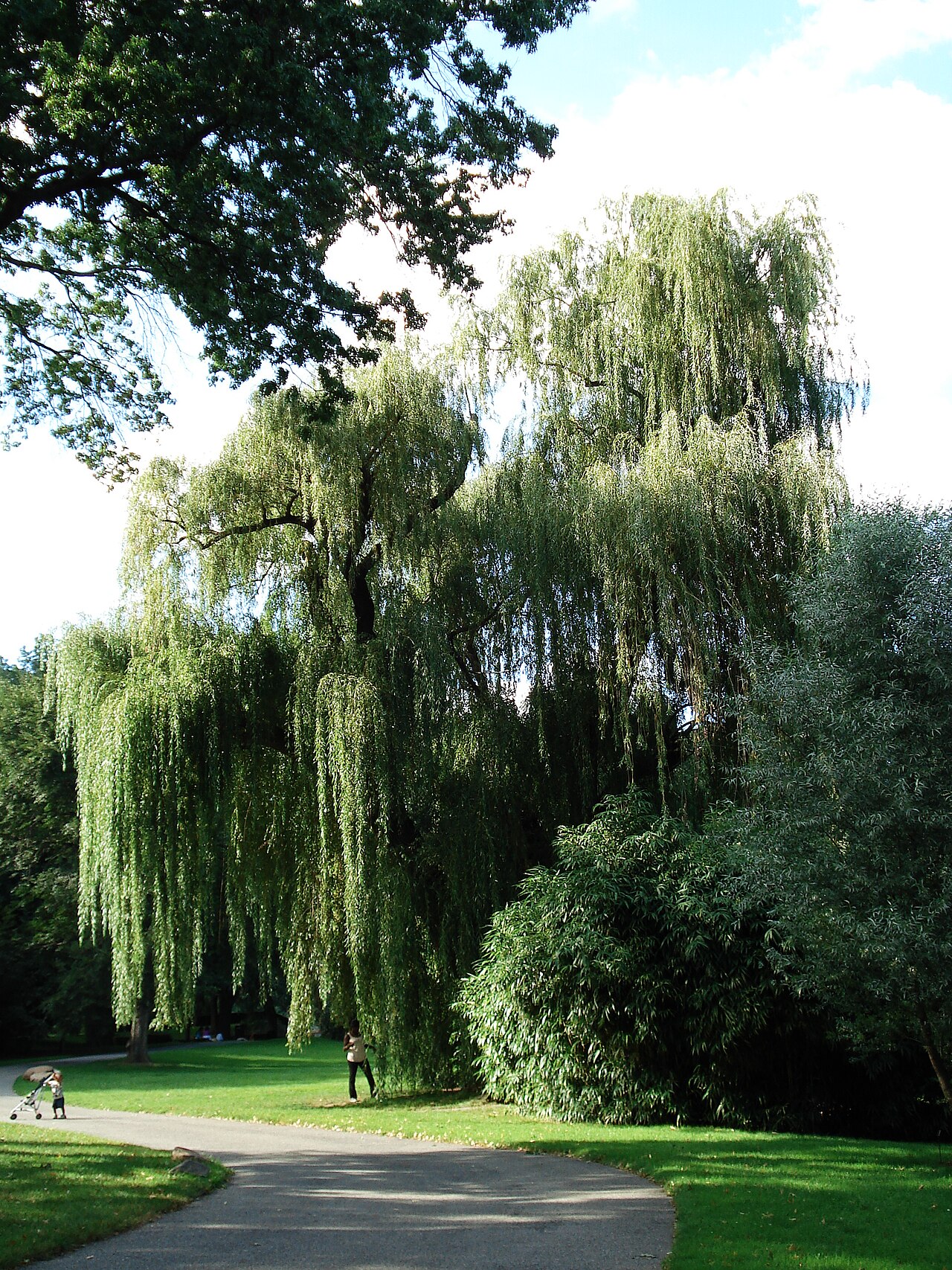 Weeping willowWeeping willow · 454 yd
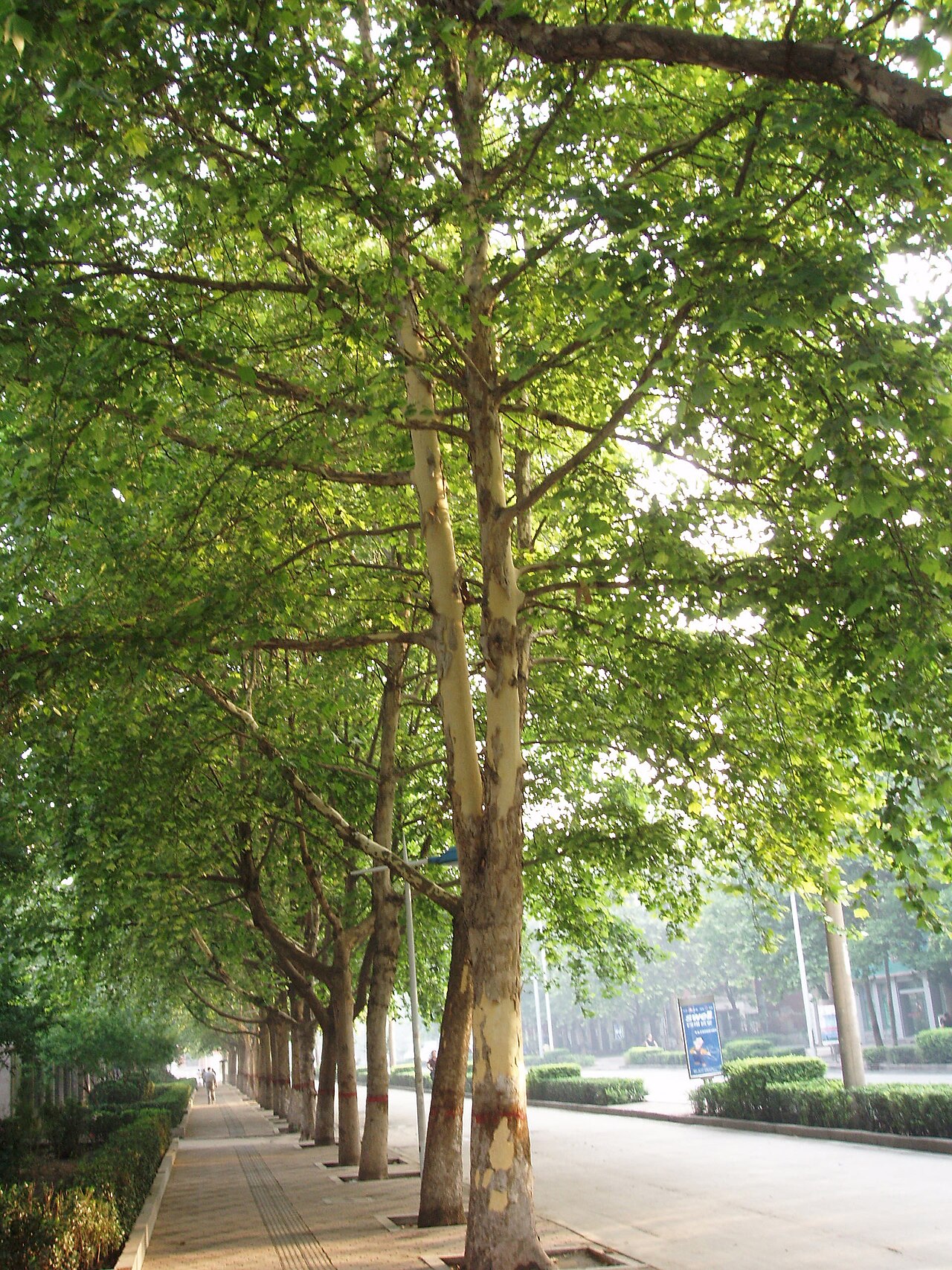 London PlaneLondon Plane · 595 yd
 Battle of DublinMajor battlefield · 1111 yd
 Tourist Information CentreVisitor information · 1227 yd
Other information
Photo: National Inventory of Architectural Heritage · Website use allowed for educational or private purposes with source credit