
What is recorded here
Bearchán of Clonsast (Cluain Sosda) known locally as Broghan or Brachan was also known as Bearchán the ‘prophet’ and Bearchán na Buile ‘of the vision’ (Ó Riain 2011, 97). In 1189 Gerald of Wales recorded in Expugnatio Hibernica that Bearchán of Clonsast was one of the four prophets of Ireland (ibid.). During the 16th century the library of the earl of Kildare contained a book called Leabhar Bearcháin (na Cluana) which was believed to have come from the church at Clonsast and was ascribed to Bearchán. The feastday of St Bearchán fell on the 3rd/4th December (ibid.) Clonsast is reputedly the site of a monastery founded in the late 7th century by St Bearchán (Gwynn and Hadcock 1988, 377). Located on flat pasture land with good extensive views with Cairn (OF027-007----) 100m to SW, St. Broghan's Thorn (OF027-009001-) and St Broghan's stone (OF027-009002-) 110m to SE. On the OS 6-inch map the church is shown standing in the centre of an irregular shaped graveyard (OF027-008003-). The present remains consist of a badly ruined nave and chancel (max. dims. L c. 15m, nave Wth c. 5m, Wall T 0.95m) built with large blocks of greywacke and limestone. Only parts of the E wall foundation level, E end of N wall foundations, N section of dividing wall and W end of S wall remain to be seen. Probable early medieval church due to the cyclopean wall construction. No evidence of graveyard (OF027-008003-) or enclosure (OF027-008004-). Comerford (1883, 124) described the church as a divided nave and chancel church (ext. L. 45ft [13.7m]; Wall T 4ft [1.2m]; nave int. Wth 16ft [4.87m]; chancel int. Wth 10.5ft [3.2m]) with no architectural features or headstones visible. St Broghan's stone is a bullaun stone now broken with a shallow depression which according to Comerford (1883, 124) was formed from the impression of the saints head and is now used as a cure for headaches.
The above description is derived from the published 'Archaeological Inventory of County Offaly' (Dublin: Stationery Office, 1997). In certain instances the entries have been revised and updated in the light of recent research.
Date of upload: 23 May 2011
Clonsast Church was likely founded in the early medieval period, associated with Bearchán of Clonsast, a local saint known as a prophet and visionary; its ruined remains reflect an early Christian ecclesiastical site with possible monastic connections. The church's significance lies in its historical and hagiographical associations with Irish monastic tradition.
The monument record does not grant public access. Check the route and ask the landowner before entering private land.
- What survives
- Recorded monument
Places near here
 Ecclesiastical site in Clonsast UpperEcclesiastical site · 10 yd
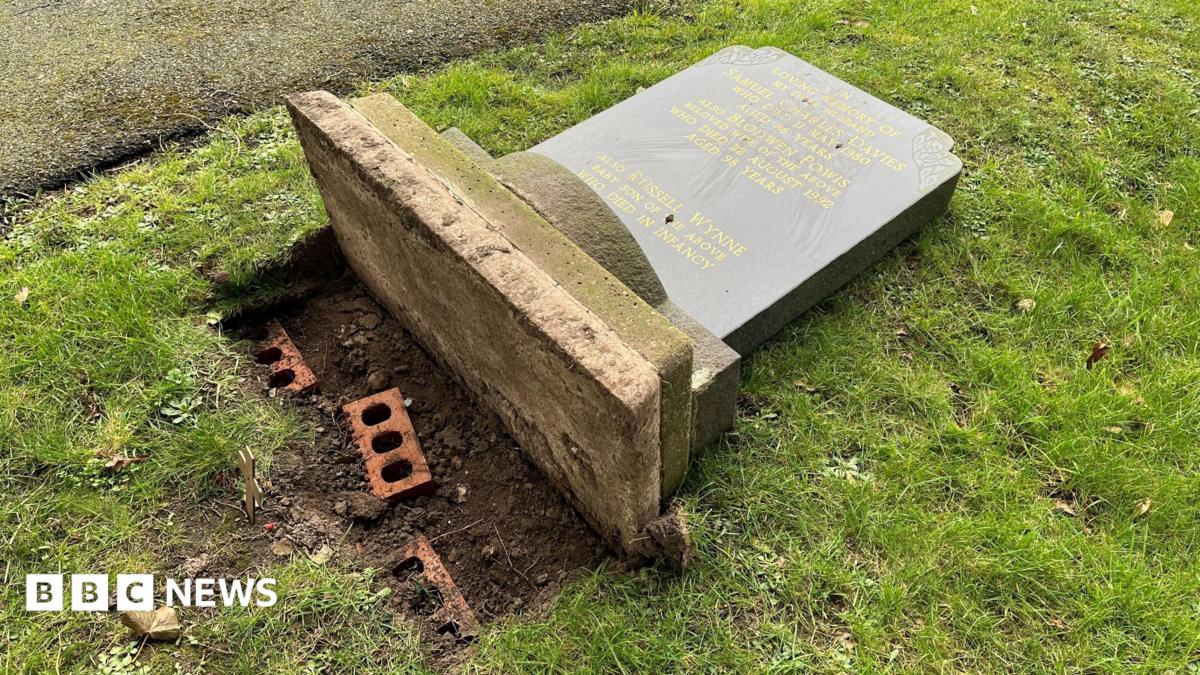 Grave YardGraveyard · 19 yd
 St Broghans RoadRoad, unclassified togher · 1602 yd
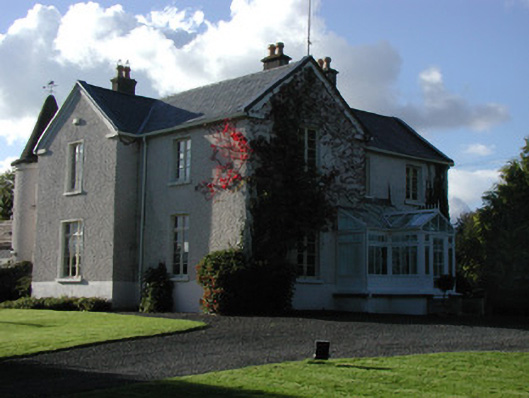 Millgrovemiller's house · 1.3 mi
 Allen family memorial headstoneMemorial · 2.7 mi
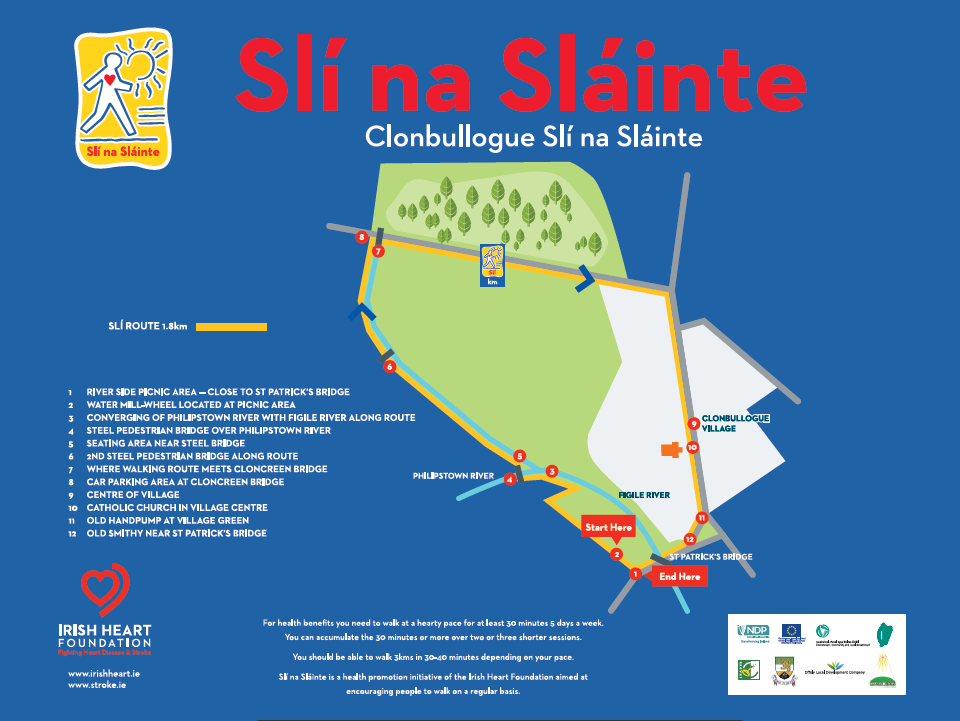 Sli na Slainte - mapVisitor information · 3.0 mi
 Raheenakeeran Castle (in ruins)Castle, unclassified · 3.5 mi
 Derryounce Walk (Yellow Loop)Walking route · 3.7 mi
 Derryounce Lakes & TrailsNature reserve · 3.8 mi
 Cashlan BrockCastle, tower house · 4.1 mi
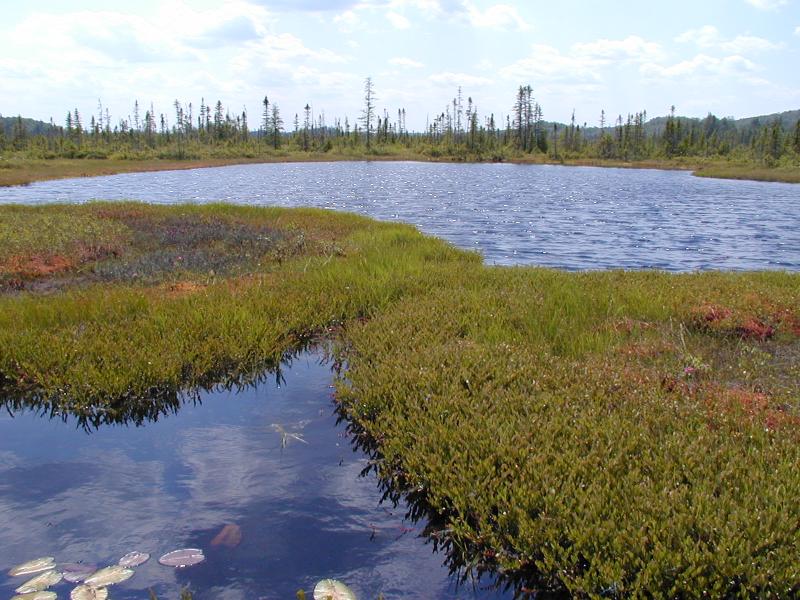 Bog Lake WalkWalking route · 4.1 mi
 Mountlucas Wind Farm Visitors CentreVisitor information · 5.1 mi
Other information
Photo: Credit not shown in the picture search · Rights wording not checked; contact us if this picture should be removed