What is recorded here
Discovered in 1950 by workmen extending a sandpit. It was described as a five-sided tomb 'composed of seven large stones, and was sealed by a substantial capstone. Its greatest dimensions were c. 1.12m by c. 82cm and it was c. 67am deep. The side stones do not appear to have inclined inwards but the gaps between them were carefully plugged with thin slivers of stone. The floor of the chamber was paved and on it lay the crouched skeleton of a young adult.' (Raftery 1974, 304). Raftery (ibid.) suggests this may have been a Linkardstown-type burial but Ryan (1981, 145) rejects this and suggests instead that this 'is almost certainly to be regarded as a slightly unusual Early Bronze Age short cist.' The area where the cist was discovered is now a disused sand quarry.
An account of this monument has been published in: Cahill, M. & Sikora, M. (2011) Breaking ground, finding graves- reports on the excavations of burials by the National Museum of Ireland, 1927-2006. vol. 1, 279-281.
Compiled by: Denis Power
Date of upload: 15 August 2012
A Neolithic cist tomb; significant as a small but well-constructed burial structure, reflecting early funerary practices in the region.
The monument record does not grant public access. Check the route and ask the landowner before entering private land.
- What survives
- Recorded monument
Places near here
 Burial Gd. for ChildrenChildren's burial ground · 570 yd
 Enclosure in Kilmore DemesneEnclosure · 1049 yd
 Kilmore Housecountry house · 1243 yd
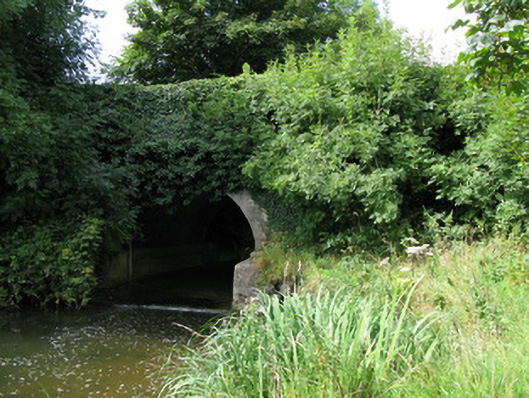 bridgebridge · 1473 yd
 Castle (in ruins)Castle, unclassified · 1.1 mi
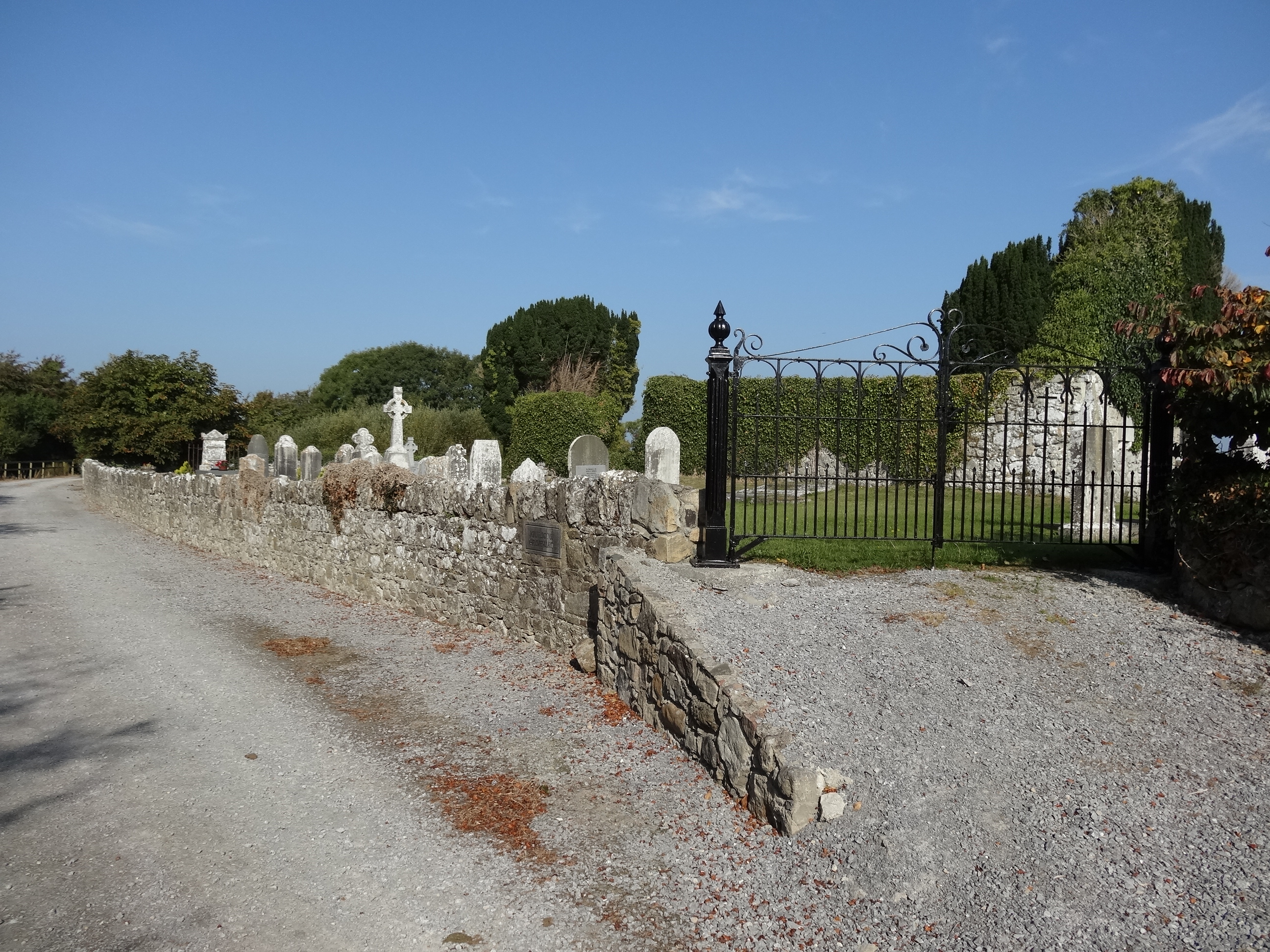 Kilmacow Ho.Bawn · 2.0 mi
 KnockfeerinaMountain / peak · 2.3 mi
 Kinnoor WellSpring · 2.7 mi
 Famine stoneMemorial · 2.9 mi
 Dysert AenghusaHeritage attraction · 3.3 mi
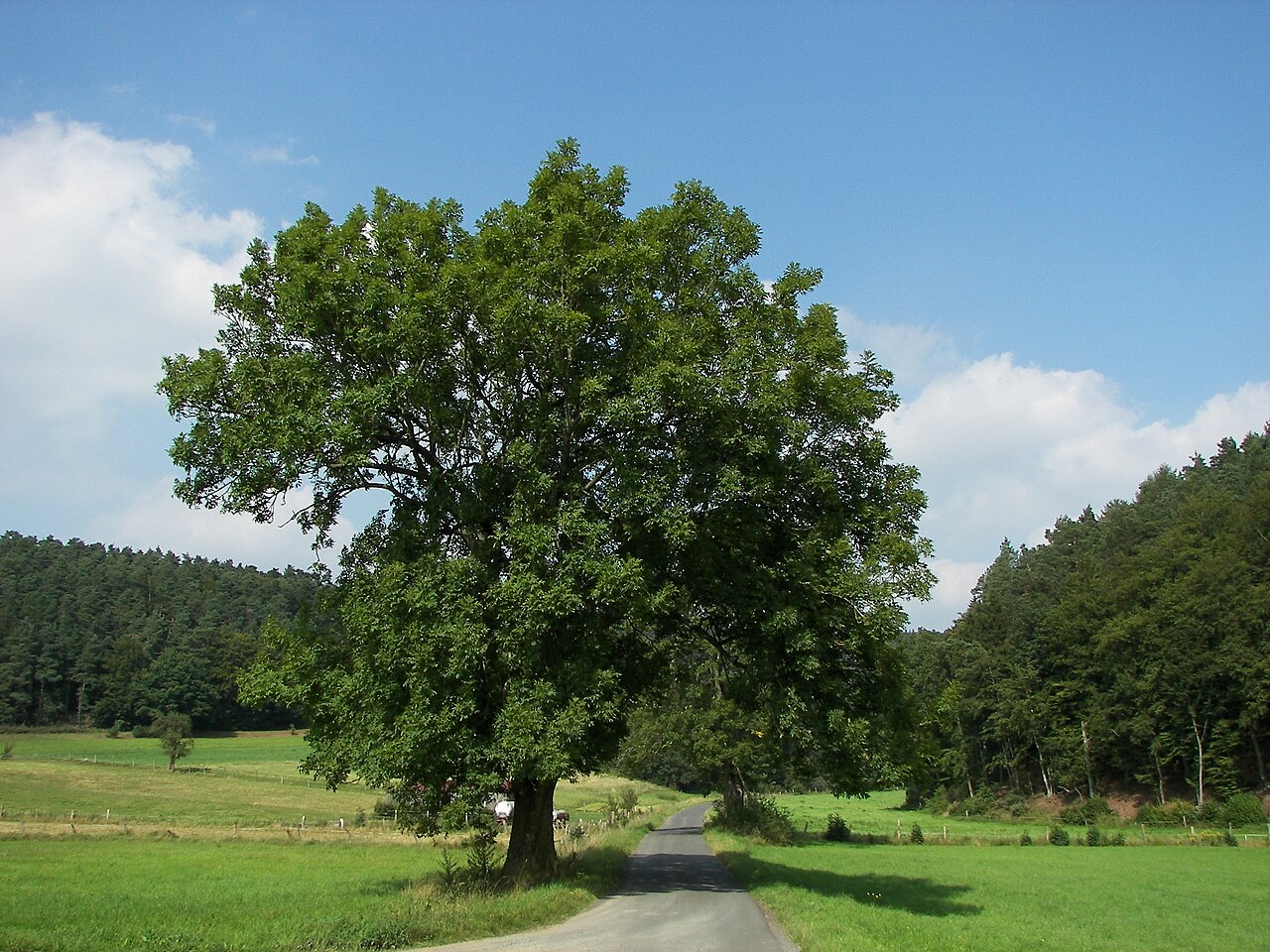 European ashEuropean ash · 3.3 mi
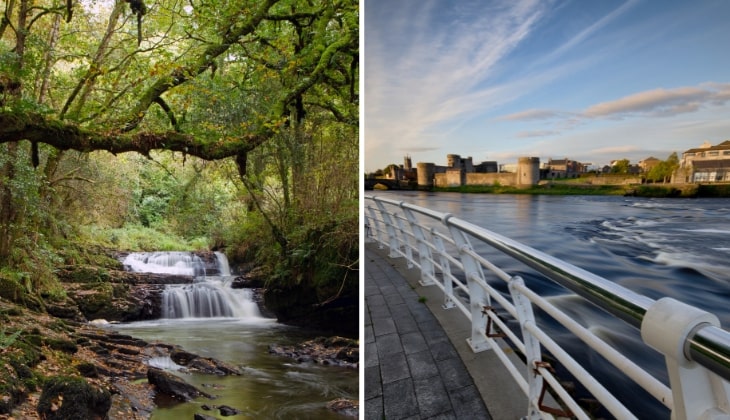 Biodiversity in the Maigue CatchmentVisitor information · 3.6 mi