What is recorded here
Annaghkeen cist is a vanished chamber of limestone slabs that held a contracted body, an Irish Vase, a flint blade and mussel shells before discovery in 1984. It lay on a north-west facing slope near a cairn in County Galway, double-walled like a small house built for one. The chamber has no visible trace now, but its parts still point to a person laid down with care, company and ceremony.
On NW-facing slope, c. 180m ESE of a cairn (GA055-001001-). Discovered in 1984, it was built of limestone slabs with some double-walling. It contained a contracted human skeleton, an Irish Vase and a flint blade, and some mussel shells (Topgr. Files, NMI). No visible surface trace survives.
The above description is derived from the published 'Archaeological Inventory of County Galway Vol. II - North Galway'. Compiled by Olive Alcock, Kathy de hÓra and Paul Gosling (Dublin: Stationery Office, 1999).
Date of upload: 05 August 2010
Early Bronze Age cist burial; dates to c. 2000–1500 BCE. Its significance lies in the presence of an Irish Vase and flint blade, which are characteristic of funerary practices during this period in Ireland.
The monument record does not grant public access. Check the route and ask the landowner before entering private land.
- What survives
- Recorded monument
Places near here
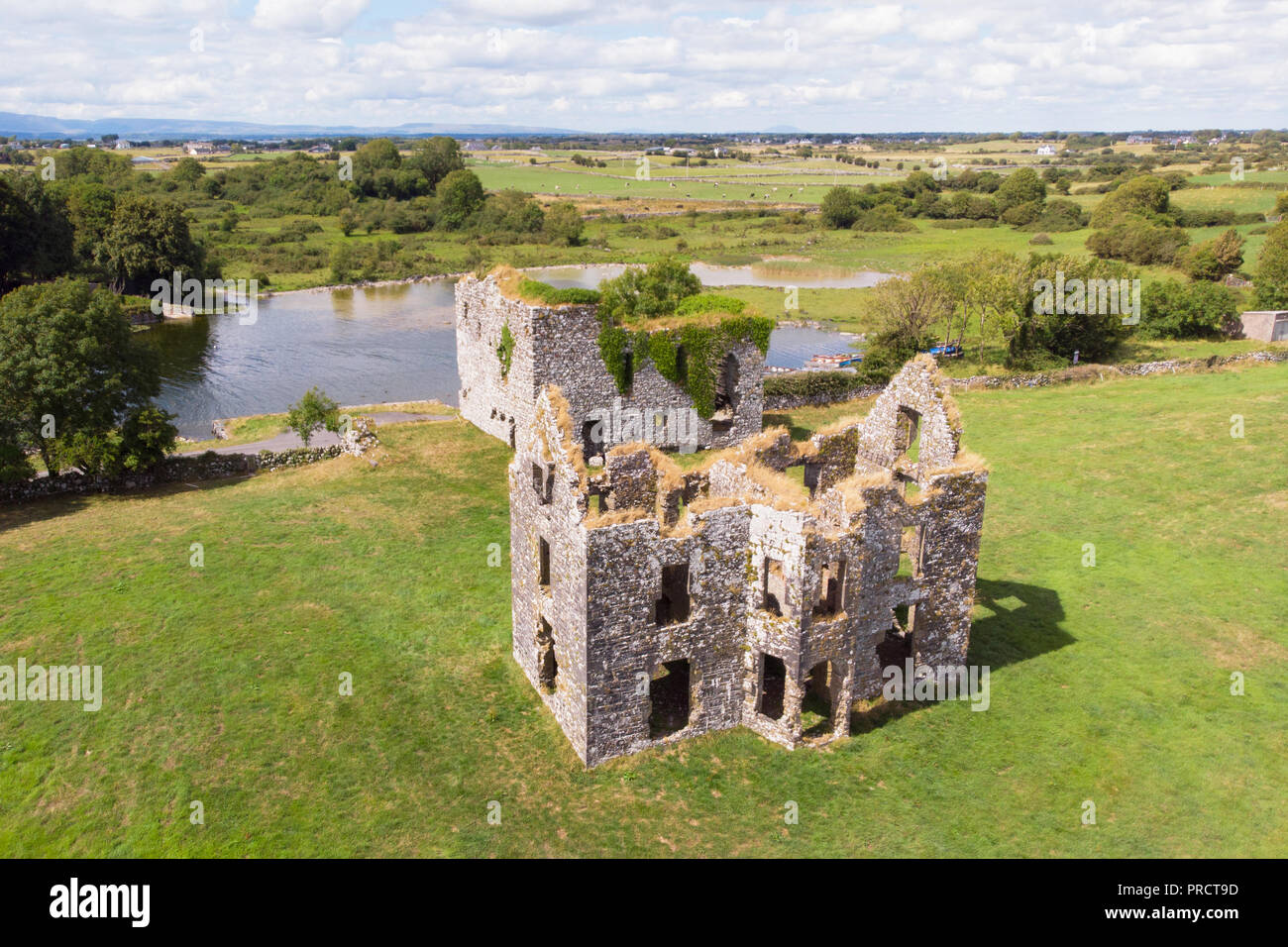 IndicatedEnclosure · 165 yd
 Annaghkeen CastleCastle · 615 yd
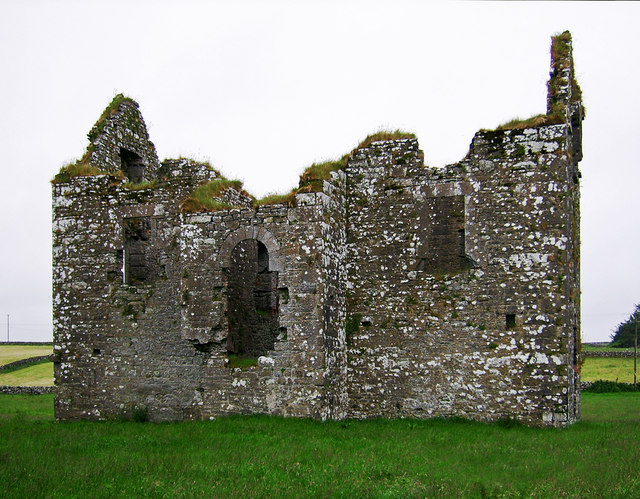 Annaghkeen Castle (in Ruins)Castle, Anglo-Norman masonry castle · 619 yd
 Country house in AnnaghkeenCountry house · 628 yd
.jpg?width=1280) Court tomb in CarrownakibCourt tomb · 719 yd
Court tomb in CarrownakibCourt tomb · 719 yd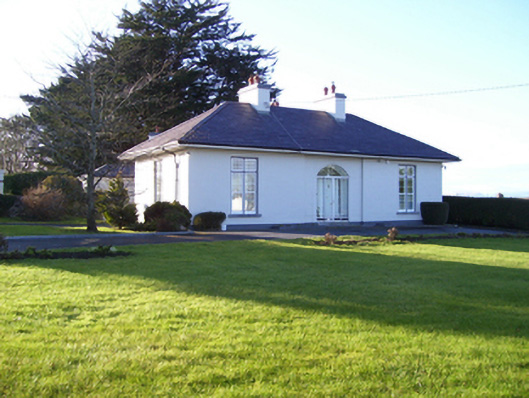 Saint Mary's Catholic Churchhouse · 1.2 mi
 Rabbit IslandIslet · 1.3 mi
 BallynacreggaWood · 1.4 mi
 Freeheen IslandIslet · 1.6 mi
 Ross Errilly FriaryHeritage attraction · 3.2 mi
 Brigit's GardenHeritage attraction · 4.5 mi
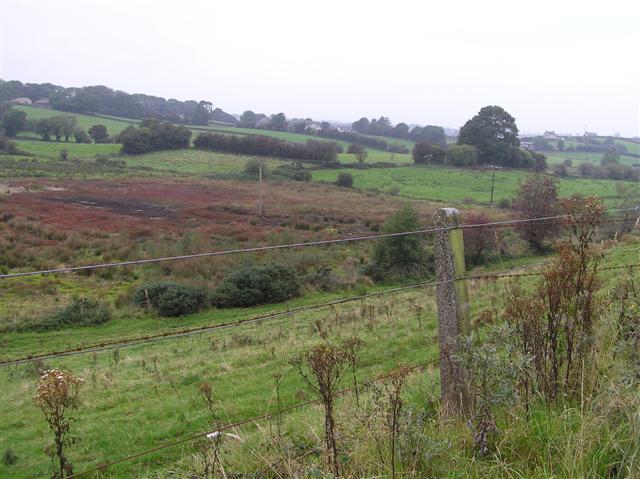 Annagh WoodWood · 5.0 mi