What is recorded here
Croom Church described in the Urban Survey of Limerick as following; 'The present church is a nineteenth century structure but the south door appears to be a re-used 16th/17th century door. The lower parts of the jambs are decorated with vertebrate tulip stems' (Bradley et. al. 1989, 121).
Westropp (1904-5, 383) recorded the following details about Croom; 'A parish in Coshmagh and Pubblebrian. Cromadh, chief seat of the "Ui Cairbre Aobhdha, burned by Torlough O'Conor, 1151 (A.F.M.) ; Crumech Castle and lands, held by Maurice Fitzgerald, 1215 (Pat. R. England, xvii John) ; Cromuch, and Cromych Church, 1291 ; Crometh, 1302. The lands were the portion of Basilia Thursteyn, 1323 (Plea R. 147 of xvii Ed. II, m. 4). John Route was parson of Cromut, 1376 (Mem. R.); Thomas Hunter was rector, 1408 (Pat. R.); Thady O'Muleran (Mulrian), 1550; Irwen (or William) Hurley, 1551 (Lib. M. H. ii., pp. 97, 9, 8); Donald Kean, or Rean (Mulrian), rector of Cromye, vacant by death of Thady Kean, or Rean, and late usurped by William O'Hurnley, 1552 (Fiant 1159); Cromothe, 1581. Site - The I. C. church is on the old site. Map. D.S. (B.), p. 24, 1657'.
Late 18th century Church of Ireland structure described by the National Inventory of Architectural Heritage as a; 'Freestanding Board of First Fruits Church of Ireland church, built c. 1780, having three-bay nave, slightly recessed single-bay chancel dating to 1868, single-bay vestry to north-east and three-stage square-plan tower to west. Now disused. Samuel Johnson in 1837 wrote that 'The church stands on the western bank of the river Maigue, and is a small neat edifice, in the early English style of architecture, with a square tower: it appears to have been erected on the site of a larger building, and the Ecclesiastical Commissioners have recently granted £151. 2. 1. for its repair' (www.buildingsofireland.ie; Reg. No. 21828003).
Compiled by: Caimin O'Brien
Date of upload: 28 January 2019
The church in Croom was built in the 19th century, incorporating a re-used 16th or 17th-century south door. Its construction reflects a blend of early modern and later architectural elements, though its specific dedication or stylistic details are not provided.
The monument record does not grant public access. Check the route and ask the landowner before entering private land.
- What survives
- Recorded monument
Places near here
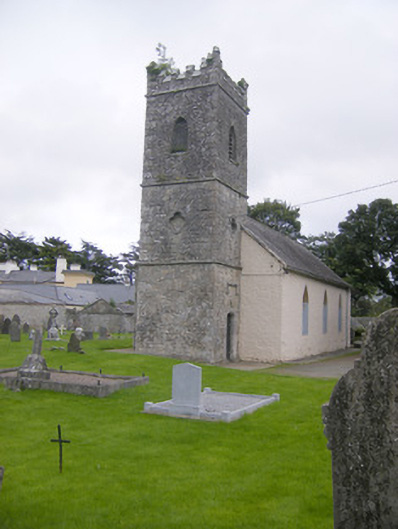 Saint Mary's Church (Croom)church/chapel · 4 yd
 Croom Housecountry house · 81 yd
 Font (present location) in CroomFont (present location) · 172 yd
 CastleCastle, Anglo-Norman masonry castle · 195 yd
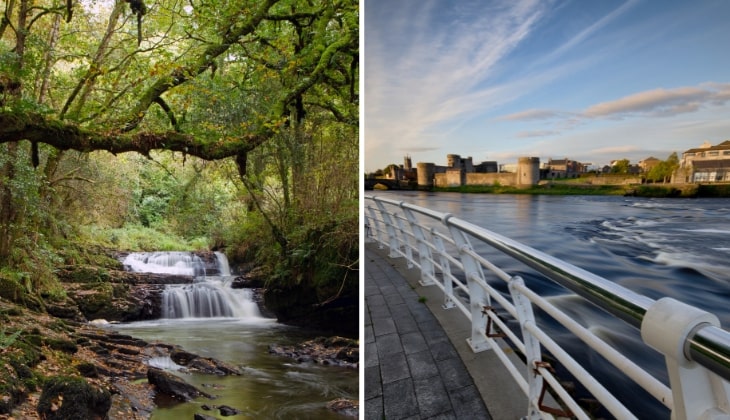 Biodiversity in the Maigue CatchmentVisitor information · 254 yd
 Hachured (1924).Enclosure · 834 yd
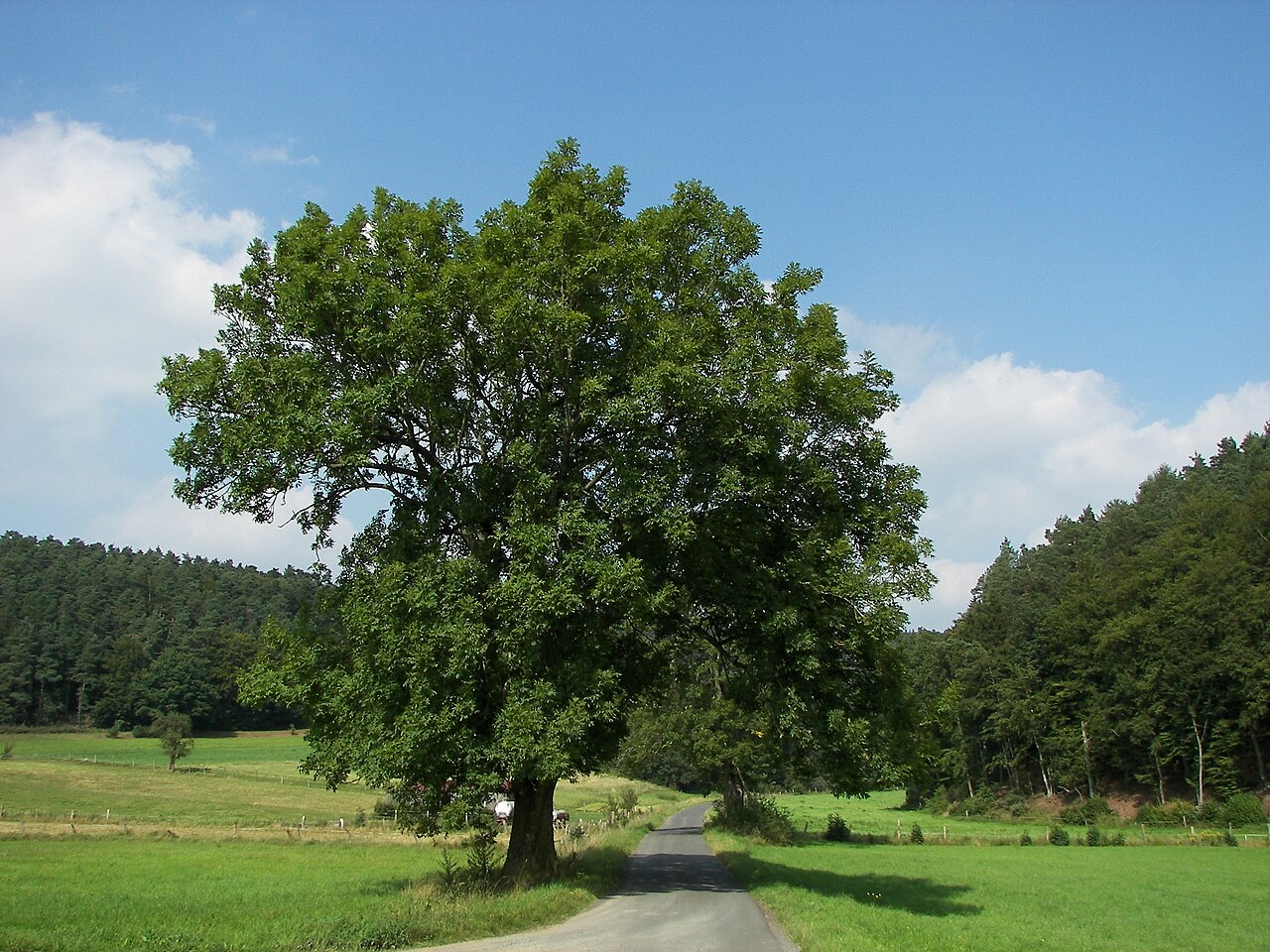 European ashEuropean ash · 1231 yd
 Dysert AenghusaHeritage attraction · 1.0 mi
 Bawn in TullovinBawn · 2.0 mi
 Monasteranenagh AbbeyHeritage attraction · 2.4 mi
 Kinnoor WellSpring · 2.7 mi
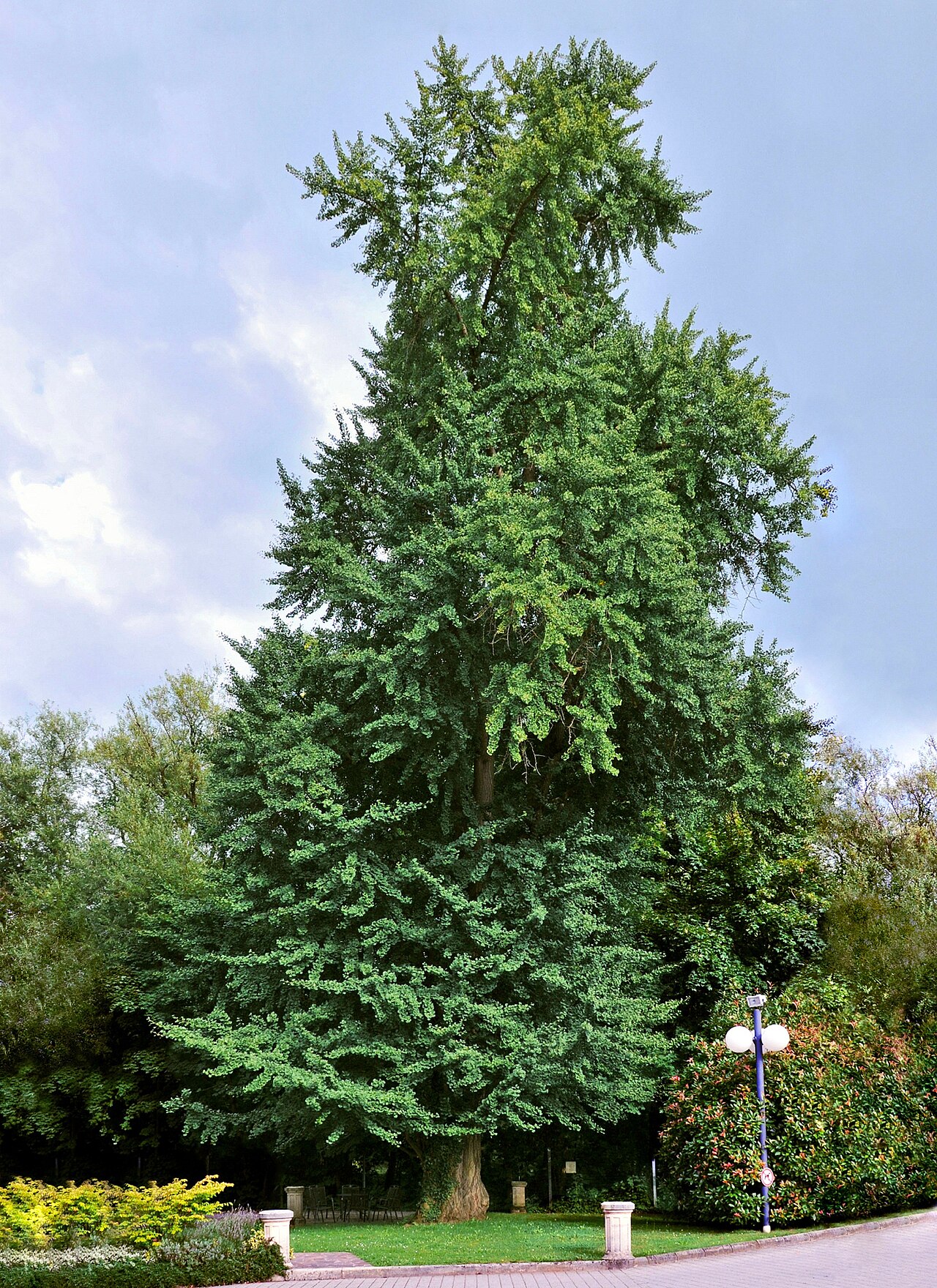 GinkgoGinkgo · 3.8 mi